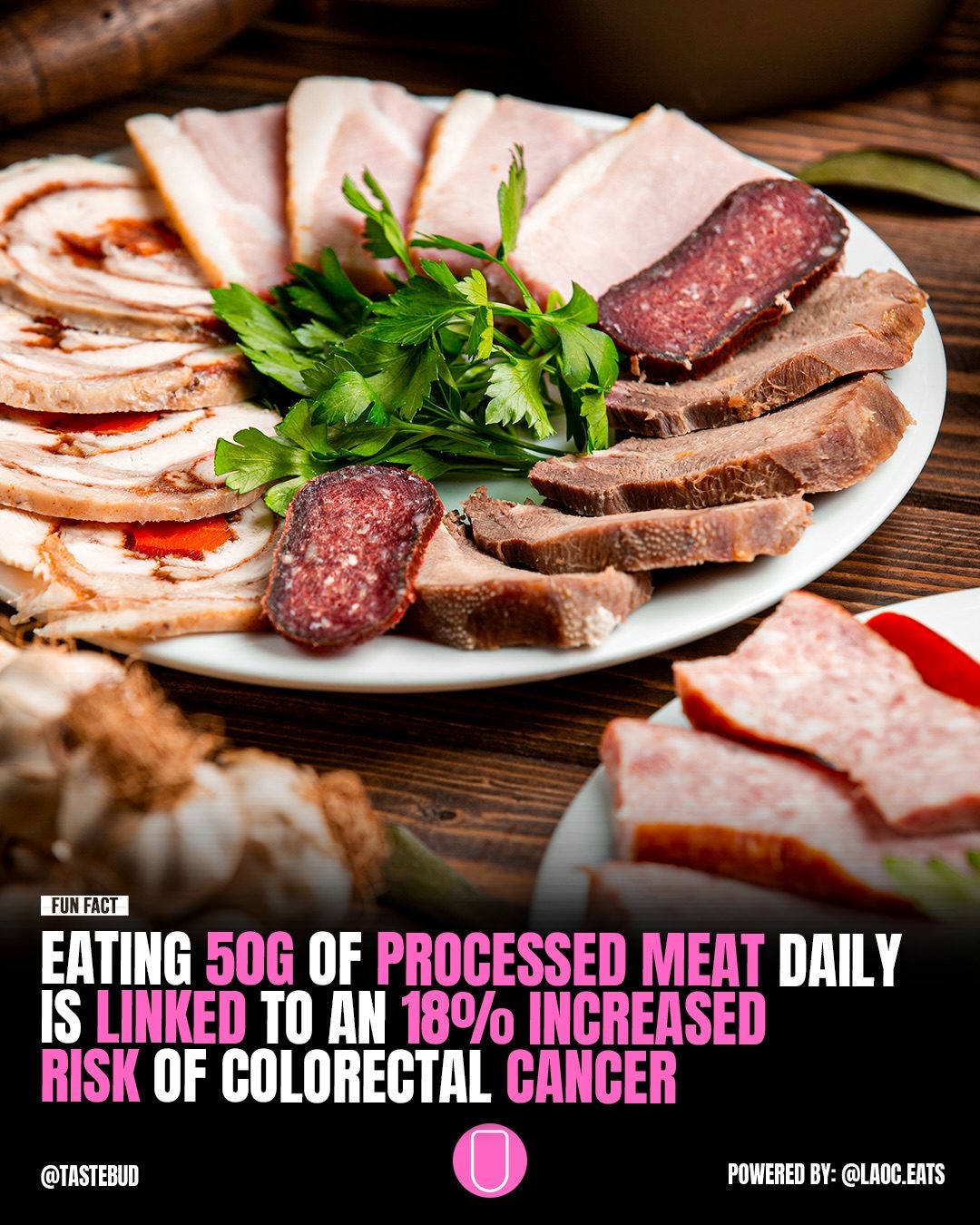
Processed Meat and Colorectal Cancer Risk
Processed meats, such as salami, ham, and bacon, have long been a staple in many diets. However, numerous studies, including large meta-analyses, have revealed a surprising link between the consumption of processed meats and an increased risk of colorectal cancer. Understanding this connection is crucial for making informed dietary choices.
Why This Matters
The findings from these studies are significant because colorectal cancer is one of the most common types of cancer worldwide. It is estimated that dietary factors, including the consumption of processed meats, play a substantial role in the development of this disease. Addressing this risk can lead to better health outcomes and potentially lower the incidence of colorectal cancer.
Understanding the Risks
The Research Findings
Large meta-analyses, including research published in The Lancet Oncology, have found that consuming about 50 grams of processed meat per day is associated with roughly an 18 percent higher relative risk of colorectal cancer. This figure represents relative risk, meaning it compares the risk of developing cancer in those who consume processed meats to those who do not. It's important to note that individual risk still depends on a variety of factors, including overall diet, genetics, fiber intake, smoking, and lifestyle factors.
What Is Considered Processed Meat?
Processed meats typically undergo procedures such as salting, curing, or smoking to enhance flavor and extend shelf life. Common examples include:
- Bacon
- Sausages
- Hot dogs
- Ham
- Deli meats
- Cured meats
These processes often involve the use of preservatives like nitrates and nitrites, which have been linked to the formation of potentially carcinogenic compounds.
The Role of Nitrates and Nitrites
Nitrates and nitrites are commonly used in processed meats to prevent bacterial growth and enhance color and flavor. However, these compounds can react with amines in the meat to form N-nitroso compounds, which are known carcinogens. These harmful compounds can increase the risk of colorectal cancer and other types of cancer.
The Impact of Cooking Methods
The way processed meats are cooked can also affect their potential to cause cancer. High-temperature cooking methods, such as grilling and frying, can produce other harmful compounds, including heterocyclic amines (HCAs) and polycyclic aromatic hydrocarbons (PAHs). These compounds are also known to increase the risk of cancer.
The Dose-Dependent Nature
The risk of colorectal cancer increases with the amount of processed meat consumed. Individuals who consume larger quantities of processed meats on a daily basis have a higher relative risk compared to those who consume smaller amounts or none at all. This dose-dependent relationship underscores the importance of moderation in dietary choices.
Practical Tips
Reducing Processed Meat Intake
Reducing the intake of processed meats is a practical step toward lowering the risk of colorectal cancer. Here are some tips to help achieve this:
- Opt for lean proteins: Choose lean proteins like poultry, fish, and plant-based alternatives to processed meats. These options are generally healthier and have fewer additives.
- Limit portion sizes: If you do consume processed meats, limit the portion sizes and the frequency of consumption. Aim for a balanced diet that includes a variety of nutrient-dense foods.
- Prepare at home: Preparing your meals at home allows you to control the ingredients and cooking methods. This can help you avoid excessive use of nitrates, nitrites, and harmful cooking techniques.
Incorporating a Balanced Diet
Incorporating a balanced diet rich in fruits, vegetables, whole grains, and lean proteins can help mitigate the risks associated with processed meat consumption. A diet high in fiber, in particular, can support digestive health and reduce the risk of colorectal cancer.
Regular Health Screenings
Regular health screenings, such as colorectal cancer screening, are essential for early detection and treatment. These screenings can help identify potential issues before they become more serious, improving overall health outcomes.
Important Takeaways
- Consuming about 50 grams of processed meat per day is associated with an 18 percent higher relative risk of colorectal cancer.
- The risks are influenced by factors such as genetics, overall diet, fiber intake, smoking, and lifestyle.
- Moderation and dietary balance are key to mitigating these risks.
- Reducing processed meat intake and opting for lean proteins and a balanced diet can help lower the risk of colorectal cancer.
- Regular health screenings are crucial for early detection and treatment.
Conclusion
The link between processed meat consumption and colorectal cancer risk is well-documented. While moderate consumption is generally considered safe, it is essential to be aware of the potential risks. By making informed dietary choices and incorporating regular health screenings, individuals can take proactive steps to reduce their risk of colorectal cancer and maintain overall health.
Watch the Reel
Questions readers ask
What specific types of processed meats are associated with an increased risk of colorectal cancer?
Processed meats such as salami, ham, and bacon are specifically linked to a higher risk of colorectal cancer. These meats often contain high amounts of nitrates and nitrites, which are used as preservatives and can contribute to the increased risk.
How much processed meat consumption is considered high risk?
Research indicates that consuming 50 grams of processed meat daily can increase your relative risk of colorectal cancer by 18%. This is equivalent to about two slices of bacon or a slice of salami. Moderation is key when it comes to processed meat intake.
What are the primary reasons processed meats are linked to colorectal cancer?
Processed meats often contain high levels of salt, preservatives like nitrates and nitrites, and other chemicals that can promote cancer growth. Additionally, cooking methods like high-temperature grilling can create carcinogenic compounds, further increasing the risk.
Can reducing processed meat consumption lower my cancer risk?
Yes, reducing your intake of processed meats can help lower your risk of colorectal cancer. Studies show that even small reductions in consumption can have significant health benefits. Consider replacing processed meats with lean proteins, such as poultry, fish, or plant-based proteins, for a healthier diet.
What are some alternatives to processed meats?
Opting for unprocessed or minimally processed meats, such as fresh chicken, turkey, or fish, can be a healthier choice. Plant-based alternatives like tofu, tempeh, and legumes are also excellent options. These choices can help you reduce your intake of harmful chemicals and lower your risk of colorectal cancer.
Are there any studies that support the link between processed meat and colorectal cancer?
Yes, numerous studies, including large meta-analyses, have shown a strong correlation between processed meat consumption and colorectal cancer. One notable study, published in the Lancet Oncology, highlights the significant increase in risk associated with high processed meat intake. These findings emphasize the importance of dietary choices in cancer prevention.
Related deep dives
Similar reads based on topic and creator.



Recent articles
Fresh deep dives from the latest Reels we unpacked.




Comments
Be the first to comment.