Processed Cheese and Bone Health
Processed cheese has become a staple in many households, but its potential impact on bone and kidney health is a growing concern. Unlike natural cheeses, processed varieties often contain phosphate additives, which researchers are studying for their potential effects on health when consumed in excess.
Why This Matters
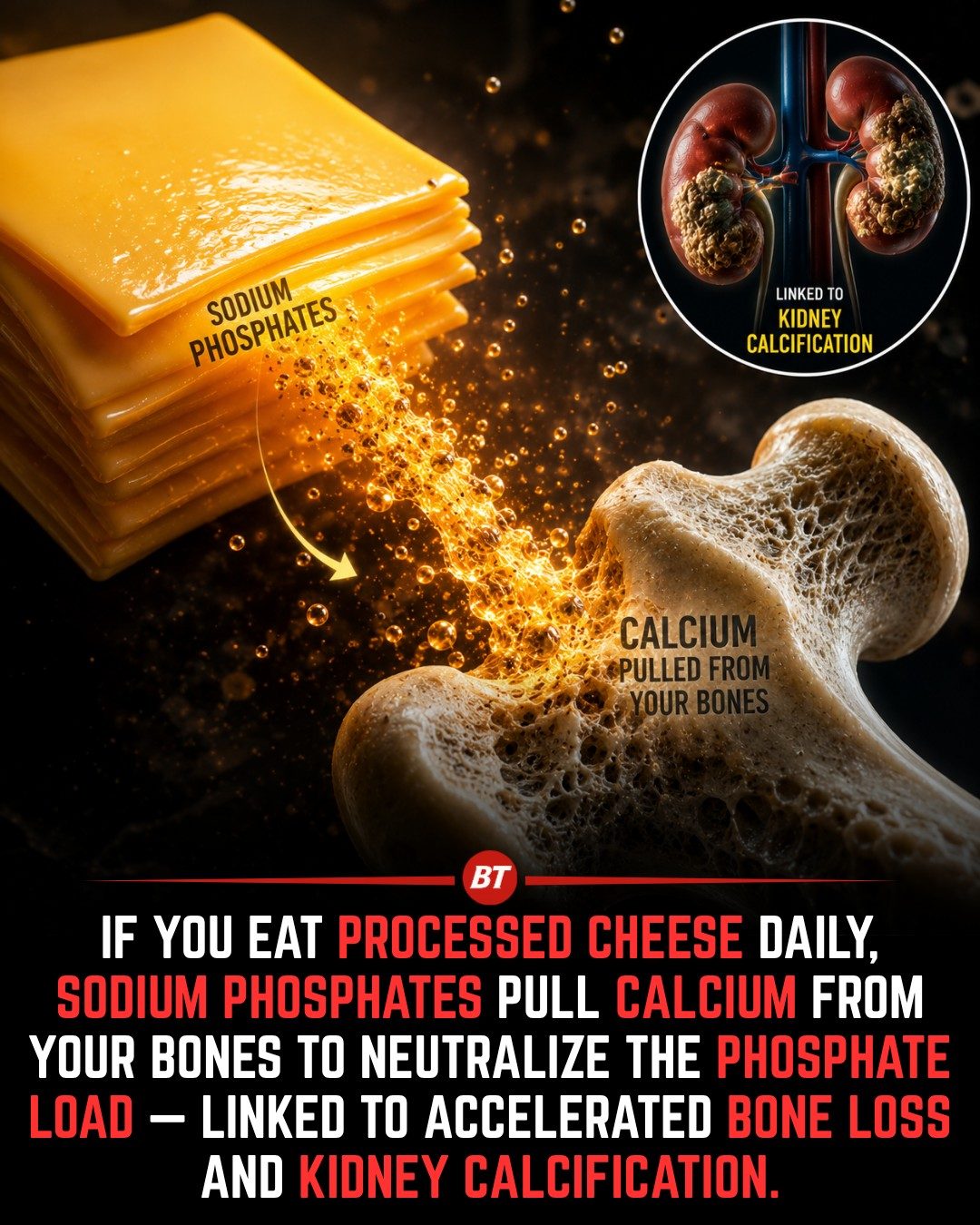
Phosphate additives in processed cheese are a significant concern because they are absorbed almost completely by the body. This means that processed foods can deliver a much larger phosphate load than many people realize. When phosphate intake remains consistently high, especially without enough dietary calcium, the body may respond by increasing parathyroid hormone (PTH). PTH helps keep blood mineral levels balanced, but chronically elevated PTH levels have been linked to bone mineral loss.
The Phosphate Problem
Understanding Phosphate Additives
Phosphate additives in processed cheese are added to improve texture, meltability, and shelf life. Common additives include sodium phosphate, calcium phosphate, and phosphoric acid. These additives are found in many processed foods, including cheese, bread, and beverages. Unlike the phosphorus naturally found in foods, these additives are absorbed almost completely by the body.
Impact on Bone Health
High intake of inorganic phosphate additives can negatively affect bone metabolism. The body tries to maintain a balance of minerals, but when phosphate levels are consistently high, it may increase the production of parathyroid hormone (PTH). Over time, this can lead to bone mineral loss and a higher risk of osteoporosis.
Kidney Health Concerns
Excessive phosphate intake can also place additional stress on the kidneys, particularly in people with chronic kidney disease. The kidneys play a crucial role in regulating phosphate levels in the body. When the kidneys are already compromised, the additional strain from high phosphate intake can exacerbate kidney problems and contribute to further deterioration.
Natural vs. Processed Cheese
Natural Cheese Benefits
Natural cheeses, such as cheddar, mozzarella, Parmesan, or Swiss, typically contain phosphorus that is naturally bound within the food. This form of phosphorus is less likely to cause the same issues as the additives in processed cheese. Natural cheeses also provide a range of essential nutrients, including calcium, vitamin D, and protein, which are beneficial for bone health.
Identifying Processed Cheese
To identify processed cheese, look for terms like "sodium phosphate," "calcium phosphate," or "phosphoric acid" on the ingredient list. These are indicators of added phosphate ingredients. Opting for natural cheeses or checking the labels for these additives can help in making healthier choices.
Practical Tips for Healthier Choices
Read Labels Carefully
Always read the ingredient list on food labels. Look for phosphate additives and choose products that contain fewer of these ingredients. Opting for natural cheeses whenever possible can help reduce your intake of added phosphates.
Balance Your Diet
Ensure that your diet includes a balanced intake of calcium and other essential minerals. Foods rich in calcium, such as leafy greens, almonds, and fortified plant-based milks, can help maintain healthy bone density.
Incorporate Natural Cheeses
Incorporate natural cheeses into your diet more often. These cheeses provide the benefits of cheese without the added phosphate concerns. Experiment with different natural cheeses to keep your meals interesting and nutritious.
Important Takeaways
While processed cheese can be convenient and tasty, it's important to be aware of the potential health implications. High intake of phosphate additives can lead to bone mineral loss and kidney problems. Choosing natural cheeses and reading food labels can help mitigate these risks. Always strive for a balanced diet that includes a variety of nutrient-rich foods to support overall health.
Conclusion
Making informed choices about the type of cheese you consume can significantly impact your bone and kidney health. By understanding the differences between natural and processed cheeses, and being mindful of phosphate additives, you can make healthier choices that support your long-term well-being. Opt for natural cheeses and balance your diet with nutrient-rich foods to maintain optimal health.
Watch the Reel
Questions readers ask
What are phosphate additives and why are they used in processed cheese?
Phosphate additives are compounds used in processed cheese to enhance texture, flavor, and shelf life. They act as emulsifiers, helping to bind the ingredients together and create a smooth, uniform product. However, their presence in processed cheese has raised concerns due to their potential health impacts when consumed in excess.
How does high phosphate intake affect bone health?
High intake of phosphate, particularly from additives in processed cheese, can lead to increased levels of parathyroid hormone (PTH). Over time, this can disrupt the balance of calcium and phosphate in the body, potentially leading to bone mineral loss and weakening of the bones.
Who is most at risk from the phosphate additives in processed cheese?
Individuals with kidney issues are particularly at risk, as their bodies may struggle to excrete excess phosphate, leading to further strain on the kidneys. Additionally, those who consume large amounts of processed cheese and have inadequate dietary calcium may also be at risk of bone health issues.
Can I still enjoy processed cheese as part of a balanced diet?
While enjoying processed cheese in moderation is generally okay, it's important to be mindful of your overall phosphorus and calcium intake. Balancing processed cheese with other nutrient-rich foods and staying hydrated can help mitigate potential risks.
What are some alternatives to processed cheese?
Natural cheeses, which typically have lower levels of additives, can be a healthier alternative. Additionally, incorporating more fresh fruits, vegetables, and lean proteins into your diet can help balance the nutrients and reduce the potential negative effects of phosphate additives.
How does processed cheese affect kidney health?
For those with kidney issues, the high phosphate content in processed cheese can add strain to an already compromised system. The kidneys play a crucial role in regulating phosphate levels, and excessive intake can further burden them, potentially leading to complications.
What are the symptoms of high parathyroid hormone (PTH) levels?
Chronically high PTH levels can lead to symptoms such as muscle weakness, fatigue, and bone pain. In severe cases, it may contribute to conditions like osteoporosis and kidney stones. If you suspect you may be at risk, consult a healthcare professional for personalized advice.
Recent articles
Fresh deep dives from the latest Reels we unpacked.




Comments
Be the first to comment.