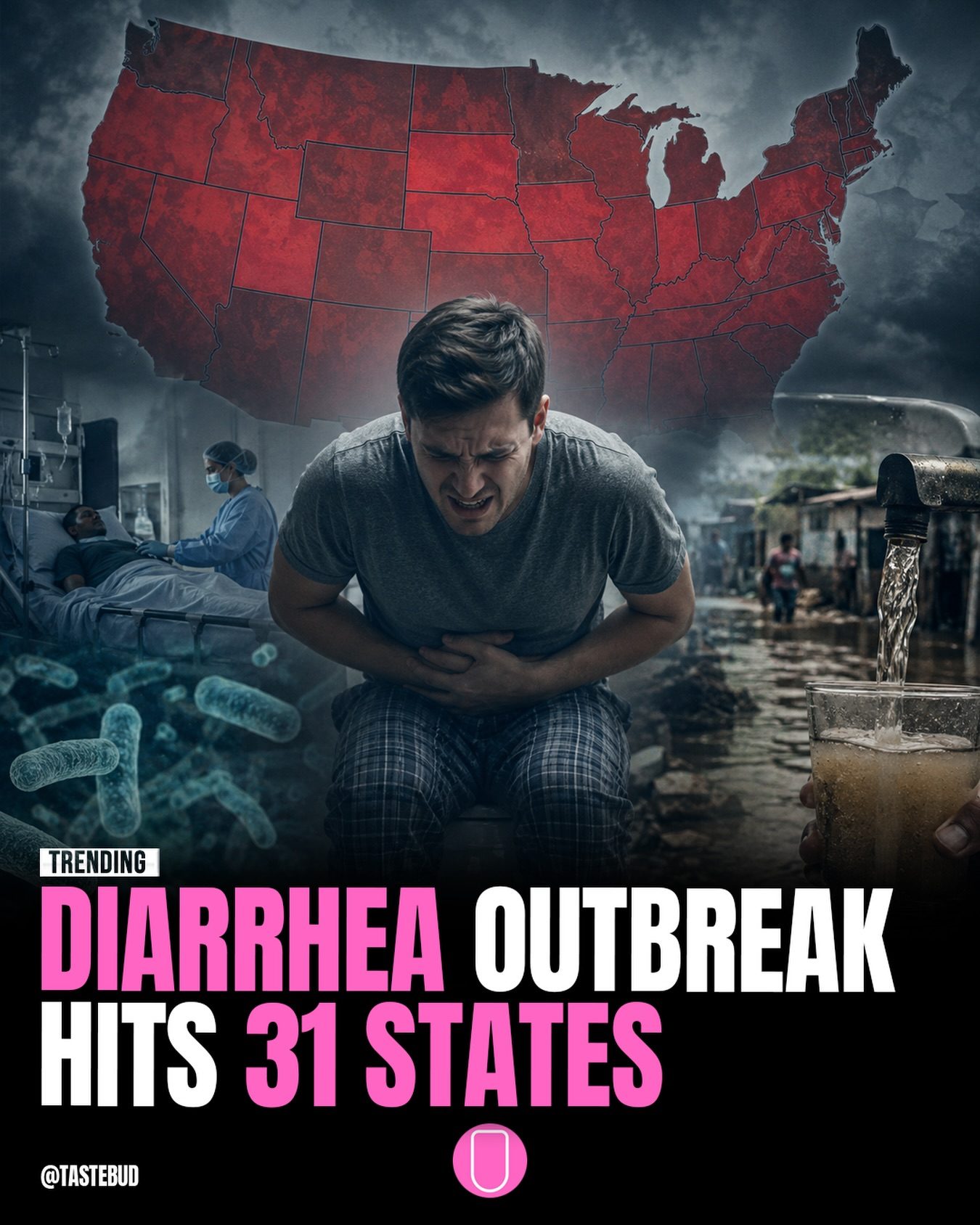
Diarrhea Outbreak Across the U.S.
A fast-spreading illness is currently affecting 31 states, with symptoms including diarrhea, stomach pain, and dehydration. Health officials are actively investigating the outbreak, which has been linked to contaminated food or widely distributed products. Understanding the context, causes, and impacts of this outbreak is crucial for staying informed and taking appropriate precautions.
Why This Matters
Outbreaks like this one can have significant impacts on public health and the economy. By understanding the causes and effects, individuals and communities can better prepare and respond to potential health threats. Additionally, tracking the spread of such illnesses can provide valuable insights into the effectiveness of our food safety systems and public health infrastructure. This outbreak serves as a reminder of the importance of vigilant health monitoring and swift action in identifying and containing health crises.
Understanding the Outbreak
Symptoms and Spread
The symptoms of this outbreak, including diarrhea, stomach pain, and dehydration, are commonly associated with foodborne illnesses. These symptoms can range from mild to severe, and while most cases are manageable, they can be particularly dangerous for vulnerable groups such as young children, the elderly, and those with compromised immune systems. The illness has been reported across 31 states, indicating a widespread distribution of the contaminant.
Possible Sources
Outbreaks of this nature are often linked to contaminated food or widely distributed products. Shared supply chains can accelerate the spread, making it essential for health officials to act quickly in identifying the source. Contaminated food products, such as produce, dairy, or meat, can be the root cause of such outbreaks. However, the exact source has not been confirmed yet, and investigations are ongoing. The primary focus is on tracking the origin and implementing measures to halt the spread.
The Role of Public Health Officials
Public health officials play a critical role in monitoring and responding to outbreaks. They use various methods, including epidemiological investigations, laboratory testing, and public alerts, to trace the source and prevent further spread. By analyzing case data, health officials can identify patterns and determine the likely source of contamination. Public alerts and advisories help to inform the public and healthcare providers, ensuring that everyone is aware and can take necessary precautions.
Practical Tips
Staying Informed
Staying informed about the outbreak and following updates from reliable sources like TASTEBUD is crucial. Official updates and advisories can provide real-time information on the outbreak's progression and any necessary precautions. Monitoring official health websites and reputable news sources can help you stay ahead of any developments.
Precautions to Take
While the exact source of the outbreak is yet to be confirmed, taking general precautions can help protect you and your family. Here are some steps you can take:
- Wash Your Hands Regularly: Proper hand hygiene is essential in preventing the spread of foodborne illnesses. Wash your hands thoroughly with soap and water before eating and after using the restroom or handling raw food.
- Cook Food Thoroughly: Ensure that food, especially meat and seafood, is cooked to safe internal temperatures to kill any bacteria or parasites.
- Avoid Cross-Contamination: Use separate cutting boards and utensils for raw meat and other foods to prevent cross-contamination.
- Stick to Safe Food Sources: Avoid consuming raw or undercooked food from unknown or unreliable sources. Stick to trusted brands and reputable suppliers.
- Stay Hydrated: Dehydration is a common symptom of this outbreak, so make sure to drink plenty of fluids, especially if you experience symptoms of the illness.
What to Do If You Experience Symptoms
If you experience symptoms such as diarrhea, stomach pain, or dehydration, it is important to seek medical attention promptly. Stay hydrated by drinking plenty of fluids and avoid taking non-prescription medication unless recommended by a healthcare provider. If symptoms persist or worsen, contact a healthcare professional for further evaluation and treatment.
Important Takeaways
- Stay Informed: Continue to follow updates from health officials and reliable sources to stay informed about the outbreak's progression and any necessary precautions.
- Practice Good Hygiene: Regular handwashing, cooking food thoroughly, and avoiding cross-contamination are essential in preventing the spread of illness.
- Seek Medical Attention: If you experience symptoms, seek medical attention promptly to receive appropriate treatment and care.
Conclusion
The current diarrhea outbreak affecting 31 states underscores the importance of vigilant health monitoring and swift action in identifying and containing health crises. By understanding the causes, taking necessary precautions, and staying informed, individuals and communities can better prepare and respond to potential health threats. As investigations continue, it is essential to follow updates from health officials and take proactive measures to protect yourself and your loved ones. Stay informed, stay safe, and stay healthy.
Watch the Reel
Questions readers ask
What should I do if I experience symptoms like diarrhea, stomach pain, or dehydration?
If you experience these symptoms, it's important to stay hydrated by drinking plenty of fluids. You should also monitor your symptoms and contact a healthcare provider if they worsen or persist. Avoid preparing food for others to prevent potential spread of the illness.
How can I protect myself from this outbreak?
To protect yourself, practice good hygiene such as washing hands frequently, cooking food thoroughly, and avoiding cross-contamination. Additionally, be cautious with food from potentially contaminated sources and stay informed about the outbreak through official health channels.
What types of food are commonly linked to such outbreaks?
Foods commonly implicated in outbreaks include raw or undercooked meat, poultry, seafood, and eggs, as well as fresh produce, dairy products, and ready-to-eat foods. Contamination can occur at any point during production, processing, or preparation.
How do health officials track and investigate outbreaks?
Health officials use surveillance systems to monitor and track outbreaks. They collect data on symptoms, geography, and potential food sources, then conduct interviews and lab tests to identify the cause. This process helps them pinpoint the contaminated source and implement measures to control the outbreak.
What can I do to help health officials with their investigation?
You can assist by reporting any symptoms to your local health department and providing detailed information about what you have eaten in the past few days. Keeping receipts and packaging from suspected food sources can also aid the investigation by helping officials trace the contamination.
Are there specific groups more at risk during a diarrhea outbreak?
Yes, certain groups are more vulnerable, including young children, the elderly, pregnant women, and those with compromised immune systems. These individuals should take extra precautions to avoid contaminated food and stay vigilant about symptoms.
Related deep dives
Similar reads based on topic and creator.



Recent articles
Fresh deep dives from the latest Reels we unpacked.




Comments
Be the first to comment.