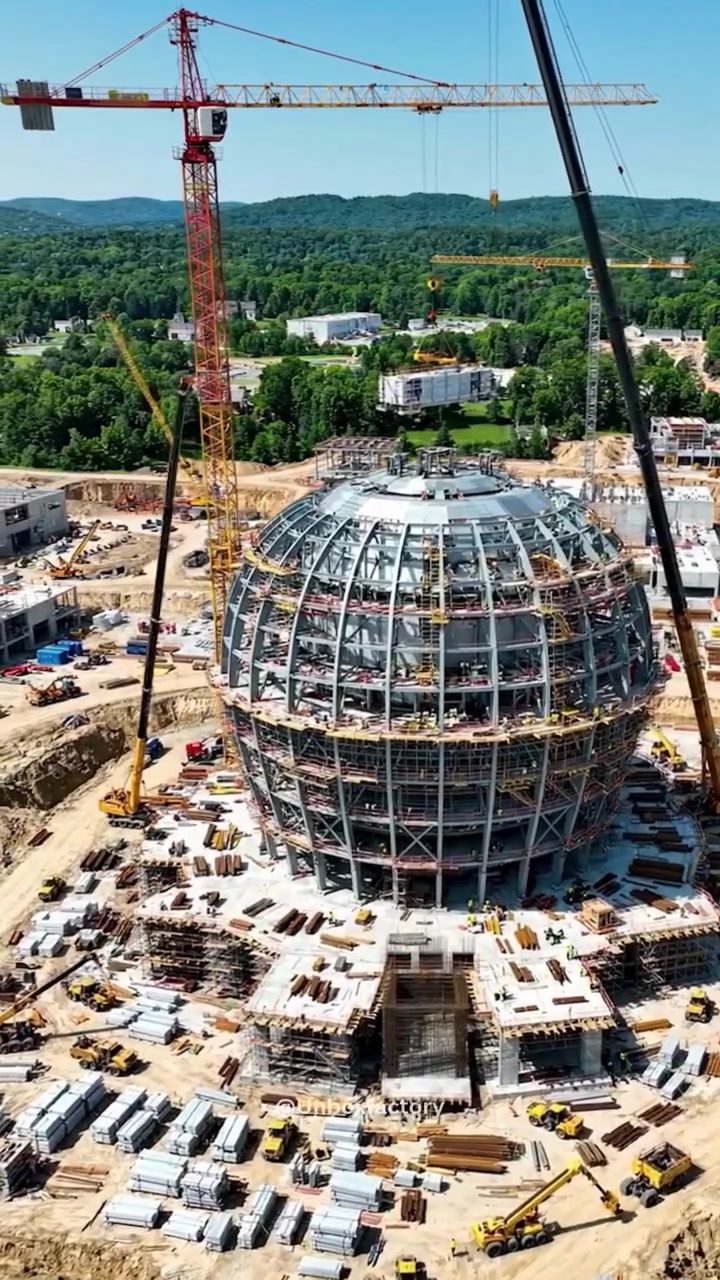
The Race for the World's First Commercial Fusion Reactor
Fusion reactors promise a future of abundant, clean energy. The global push to build the world's first commercial fusion reactor is led by two significant contenders: Commonwealth Fusion Systems (CFS) and Helion Energy. These companies are on a trajectory to revolutionize energy production by harnessing the power of nuclear fusion, the same process that fuels the Sun.
Why This Matters
Fusion power has long been hailed as the holy grail of clean energy. Unlike nuclear fission, which generates radioactive waste and poses significant safety risks, fusion reactions produce minimal waste and virtually no greenhouse gases. The ability to harness fusion power would provide a nearly unlimited source of energy, addressing many of the world's pressing environmental and energy security challenges.
The Key Players
Commonwealth Fusion Systems
Commonwealth Fusion Systems, based in Massachusetts, is developing a compact tokamak called SPARC. This reactor utilizes high-temperature superconducting magnets to generate a 20 tesla magnetic field, the strongest continuous magnetic field ever achieved. This innovation allows SPARC to be significantly smaller than the International Thermonuclear Experimental Reactor (ITER) while targeting equivalent plasma conditions. The strong magnetic field is crucial for confining the hot plasma necessary for fusion reactions.
CFS aims to demonstrate net energy gain from SPARC by 2027. This milestone would mark the first time a fusion reactor produces more energy than it consumes, a critical step toward commercial viability. Following this achievement, CFS plans to build ARC, the first commercial fusion power plant, by the early 2030s. ARC is designed to generate 1 GW of power, enough to supply energy to a large city. Microsoft has already signed a contract to purchase electricity from Helion's first commercial plant by 2028, underscoring the growing interest from major corporations in fusion energy.
Helion Energy
Helion Energy, based in Washington State, is taking a different approach with its field-reversed configuration (FRC) technology. This method involves colliding two plasma rings to achieve fusion. Helion's unique design promises a more compact and potentially more efficient fusion reactor. The company is also focusing on commercialization, with plans to deliver electricity to customers by 2028. Microsoft's early adoption of Helion's technology indicates a growing confidence in the viability of fusion energy.
The Technology Behind Fusion Reactors
Fusion reactors work by heating plasma to extremely high temperatures, allowing hydrogen isotopes to fuse and release energy. Tokamaks, like SPARC, and FRC devices, like Helion's, are two of the primary designs being explored. Tokamaks use magnetic fields to confine the plasma, while FRC devices use a combination of magnetic and electric fields.
Tokamaks
Tokamaks are doughnut-shaped devices that use magnetic fields to confine plasma. The high-temperature superconducting magnets in SPARC generate a powerful magnetic field that keeps the plasma stable and away from the reactor walls. This design allows for a more compact reactor and potentially lower construction costs.
Field-Reversed Configuration
Helion Energy's FRC approach involves creating two plasma rings and colliding them to achieve fusion. This method aims to simplify the confinement process and reduce the size and cost of the reactor. The FRC design has the potential to be more scalable and easier to maintain than traditional tokamaks.
Practical Tips for Understanding Fusion Energy
Understanding fusion energy requires a basic grasp of plasma physics and magnetic confinement. Here are some practical tips to help you navigate this complex field:
Learn the Basics of Plasma Physics
Plasma is the fourth state of matter, consisting of ionized gas. Understanding how plasma behaves under different conditions is crucial for grasping the principles behind fusion reactors. Plasma is highly conductive and can be manipulated using magnetic and electric fields, making it ideal for energy production.
Explore Magnetic Confinement
Magnetic confinement is the process of using magnetic fields to control and confine plasma. This technique is essential for maintaining the high temperatures and pressures required for fusion reactions. Understanding the principles of magnetic confinement can help you appreciate the challenges and innovations in fusion reactor design.
Follow the Latest Research
The field of fusion energy is rapidly evolving, with new breakthroughs and discoveries being made regularly. Staying informed about the latest research can help you keep up with the advancements and understand the potential impact of fusion energy on the global energy landscape.
Important Takeaways
Commercial Fusion is on the Horizon
Both CFS and Helion Energy are making significant strides toward commercializing fusion energy. Their ambitious timelines and substantial funding indicate a growing confidence in the feasibility of fusion power. If successful, these companies could revolutionize the energy industry and provide a sustainable solution to the world's energy needs.
Private Sector Innovation
The involvement of private companies in fusion research is a game-changer. Traditional fusion research has been largely driven by government-funded projects, but the emergence of venture capital-backed companies is accelerating progress. Private sector innovation brings new approaches and technological advancements that can drive the commercialization of fusion energy.
Environmental and Economic Benefits
Fusion energy offers unparalleled environmental and economic benefits. As a nearly limitless and clean energy source, fusion has the potential to reduce carbon emissions, lower energy costs, and enhance energy security. The successful deployment of fusion reactors could transform the global energy landscape and address many of the world's pressing energy challenges.
The Future of Energy
The race to build the world's first commercial fusion reactor is not just a technological challenge; it's a race to secure a sustainable future. As CFS and Helion Energy push the boundaries of what's possible, they are paving the way for a new era of clean, abundant energy. The first company to achieve net energy gain will not only change the energy equation but also usher in a new age of technological innovation and environmental stewardship.
Conclusion
The quest for commercial fusion power is an exciting and transformative journey. With Commonwealth Fusion Systems and Helion Energy leading the charge, the world is on the cusp of a revolution in energy production. As these companies strive to harness the power of the Sun, they are redefining what's possible and paving the way for a sustainable, energy-secure future. The race is on, and the future of energy is looking brighter than ever.
Watch the Reel
Questions readers ask
What distinguishes fusion power from traditional nuclear energy sources?
Fusion power differs from traditional nuclear energy sources, such as fission, because it produces minimal radioactive waste and virtually no greenhouse gases. Instead of splitting atoms like fission, fusion combines atomic nuclei, mimicking the process that powers the Sun, and promises a much cleaner energy solution.
Which companies are leading the race to build the first commercial fusion reactor?
The primary contenders in the race to build the first commercial fusion reactor are Commonwealth Fusion Systems (CFS) and Helion Energy. Both companies are at the forefront of developing sustainable fusion power, aiming to revolutionize the global energy landscape.
What are the potential benefits of commercial fusion energy?
Commercial fusion energy offers several potential benefits, including a virtually limitless fuel source, minimal waste production, and zero greenhouse gas emissions. This makes it a highly attractive option for addressing global energy and environmental challenges.
How does fusion reactor technology work?
Fusion reactor technology works by combining light atomic nuclei, typically isotopes of hydrogen, to form heavier elements and release a tremendous amount of energy. This process is the same one that powers the Sun and other stars, and it requires extremely high temperatures and pressures to initiate and sustain.
What is the significance of building the first commercial fusion reactor?
Building the first commercial fusion reactor would mark a significant milestone in the pursuit of sustainable energy. It would demonstrate the feasibility of fusion power for practical, large-scale energy production, paving the way for a future where clean, abundant energy is readily available.
What challenges do companies like CFS and Helion Energy face in developing fusion reactors?
Companies like CFS and Helion Energy face several challenges in developing fusion reactors, including maintaining the extreme conditions required for fusion, managing the high energy output, and scaling the technology for commercial use. Additionally, they must navigate the complexities of regulation and public acceptance.
What impact could zero-emission fusion energy have on the environment?
Zero-emission fusion energy could significantly reduce our reliance on fossil fuels, lowering greenhouse gas emissions and mitigating climate change. It would also decrease air pollution and other environmental impacts associated with traditional energy sources, contributing to a cleaner, healthier planet.
Related deep dives
Similar reads based on topic and creator.

Recent articles
Fresh deep dives from the latest Reels we unpacked.




Comments
Be the first to comment.