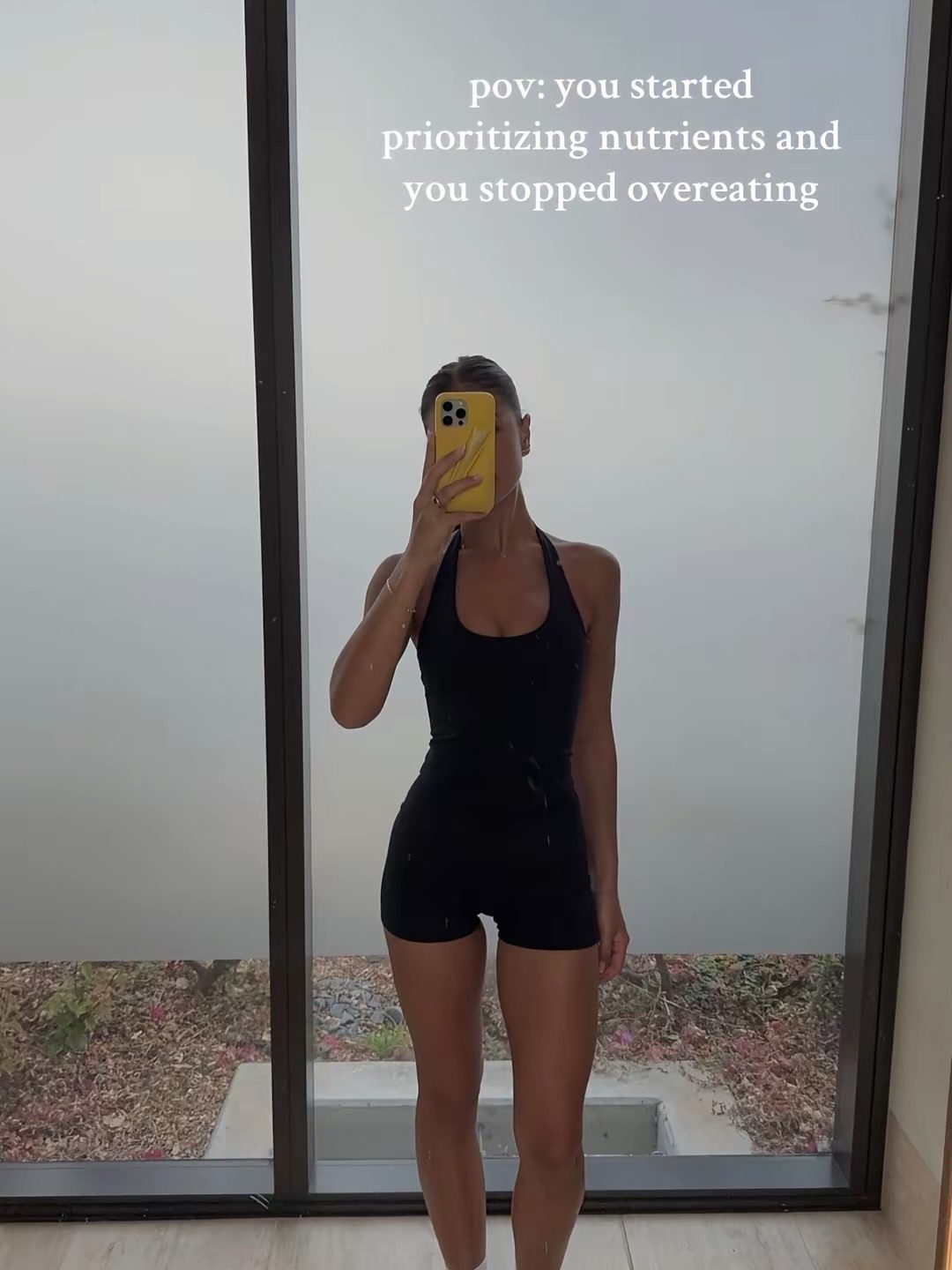
Balancing Nutrition: Real Food for a Fit Lifestyle
The journey towards a fit physique and balanced nutrition does not have to be an extreme or restrictive one. By prioritizing nutrients and focusing on real food with clear benefits, it is possible to fuel your body, stay full, and support training effectively. This article explores how real food can enhance your fitness journey, from breakfast to dessert, and how the Workit app can support your goals.
Why This Matters
Balanced nutrition is essential for maintaining energy levels, supporting muscle recovery, and achieving fitness goals. By focusing on nutrient-dense foods, you can avoid overeating and ensure your body gets the fuel it needs without resorting to restrictive diets. Prioritizing real food helps build sustainable habits that support long-term health and fitness success.
Building a Nutritious Meal Plan
Real food can be incorporated into every meal to ensure you get a balanced intake of nutrients. Here’s a guide to building a nutritious meal plan:
Breakfast: Powerhouse Nutrition
A good breakfast sets the tone for the rest of the day. Including protein, healthy fats, and antioxidants can provide sustained energy and support overall health.
Protein: Essential for muscle repair and growth, protein can be sourced from eggs, Greek yogurt, or protein shakes.
Healthy Fats: Omega-3 fatty acids, found in avocados and nuts, support heart health and reduce inflammation.
Antioxidants: Berries, spinach, and other colorful fruits and vegetables are packed with antioxidants that help fight free radicals and support immune function.
Snack: Sustained Energy
Snacks should keep energy levels steady and provide essential nutrients. Opt for snacks that are rich in fiber and antioxidants.
Fiber: Found in fruits, vegetables, and whole grains, fiber aids in digestion and helps maintain steady blood sugar levels.
Antioxidants: Snacking on grapes, an excellent source of both antioxidants and fiber, can help keep you satisfied and energized.
Lunch: Balanced and Nutritious
A well-rounded lunch should include a variety of nutrients to support both physical and mental health.
Protein: Lean proteins like chicken, turkey, or tofu provide essential amino acids for muscle repair.
Iron: Found in leafy greens, red meat, and fortified cereals, iron is crucial for oxygen transport in the blood.
Vitamins: A colorful array of fruits and vegetables ensures a broad spectrum of vitamins, supporting various bodily functions.
Dinner: Nutrient-Rich and Balanced
Dinner should be a balanced meal that includes a variety of nutrients to support recovery and overall health.
Omega-3s: Found in fatty fish like salmon, omega-3s support heart health and reduce inflammation.
Veggies: A colorful mix of vegetables provides a wide range of vitamins and antioxidants.
Balance: Combining proteins, healthy fats, and carbohydrates ensures a balanced meal that supports both energy levels and muscle recovery.
Dessert: Indulge Mindfully
Desserts can still be part of a balanced diet. Opt for options that include beneficial nutrients.
Dark Chocolate: Rich in antioxidants, dark chocolate can satisfy sweet cravings while providing health benefits.
Berries: Berries offer antioxidants and natural sugars, making them a healthier dessert option.
Leveraging Technology: The Workit App
The Workit app is a powerful tool for those looking to achieve their fitness and nutrition goals. With data-driven insights, Workit helps users make informed decisions about their diet and workout routines. Here’s how it can assist in your journey:
Data-Driven Insights
Workit provides detailed information on daily calorie goals, TDEE (Total Daily Energy Expenditure), and macro breakdowns. This data helps users understand their nutritional needs and make adjustments as necessary.
Calorie and Macro Tracking
Tracking calories and macronutrients is essential for weight management and performance. Workit simplifies this process by offering easy-to-use features for tracking daily intake and refining goals based on progress.
Workout and Wallet Integration
The app integrates workout routines and a digital wallet, allowing users to convert workouts into real money. This unique feature incentivizes consistency and helps users stay motivated on their fitness journey.
Practical Tips for Balanced Eating
Incorporating balanced nutrition into your daily routine doesn’t have to be complicated. Here are some practical tips to get started:
Plan Ahead
Meal prep can save time and ensure you have healthy options readily available.
Stay Hydrated
Drinking plenty of water supports digestion, maintains energy levels, and helps you feel full.
Listen to Your Body
Pay attention to hunger and fullness cues. Overeating often occurs when we ignore these signals.
Focus on Whole Foods
Choose whole, unprocessed foods over processed snacks and meals. They provide more nutrients and are generally more satisfying.
Important Takeaways
Nutrition is a critical component of a balanced fitness lifestyle. Prioritizing nutrient-rich, real foods can help you achieve your goals without resorting to extreme diets. By focusing on protein, healthy fats, antioxidants, and fiber, you can build a sustainable eating plan that supports energy levels, muscle recovery, and overall health. Additionally, leveraging tools like the Workit app can provide data-driven insights and help you stay on track with your fitness journey.
Conclusion
Balanced nutrition is essential for achieving fitness goals and maintaining overall health. By prioritizing real food and using tools like the Workit app, you can create a sustainable eating plan that supports your active lifestyle. Remember, progress is about eating better and moving consistently, not about restricting or overeating. Embrace the journey and enjoy the benefits of a well-nourished body.
Watch the Reel
Questions readers ask
What are the benefits of a protein-rich breakfast for fitness goals?
A protein-rich breakfast helps kickstart your day by promoting muscle repair and growth, keeping you fuller for longer, and stabilizing blood sugar levels. Opt for real-food sources like eggs, Greek yogurt, or protein-packed smoothies to support your fitness journey.
How can I incorporate more antioxidants into my fitness nutrition plan?
Incorporate antioxidant-rich snacks like berries, colorful fruits, and vegetables into your daily meals. These foods help combat inflammation, support recovery, and boost overall health, which can aid in improving your fitness performance and recovery.
Why is a balanced diet important for maintaining energy levels during workouts?
A balanced diet provides the necessary nutrients to keep your energy levels stable, fuel your workouts, and support muscle recovery. By focusing on nutrient-dense meals, including lean proteins, complex carbohydrates, and healthy fats, you can avoid energy crashes and perform at your best.
How do fiber-rich foods support fitness goals?
Fiber-rich foods help maintain steady blood sugar levels and promote feelings of fullness, which can prevent overeating and support a healthy metabolism. Incorporate foods like whole grains, fruits, and vegetables into your diet to enhance your overall fitness and digestive health.
What role do omega-3 fatty acids play in fitness nutrition?
Omega-3 fatty acids, found in foods like fatty fish, walnuts, and flaxseeds, reduce inflammation, support heart health, and promote muscle recovery. By including omega-3s in your diet, you can help boost your overall fitness and well-being.
How can I optimize my nutrition for better workout recovery?
Focus on consuming a mix of carbohydrates and proteins post-workout to replenish glycogen stores, repair muscles, and reduce soreness. Real-food options like a turkey and avocado wrap, or a sweet potato with Greek yogurt can help speed up recovery and support your fitness goals.
What are some tips for preventing overeating while maintaining a fitness nutrition plan?
Prioritize nutrient-dense, whole foods that keep you full and satisfied, such as lean proteins, fiber-rich fruits, and vegetables. Avoid highly processed foods and stay hydrated to help manage hunger and cravings while supporting your fitness goals.
Recent articles
Fresh deep dives from the latest Reels we unpacked.




Comments
Be the first to comment.