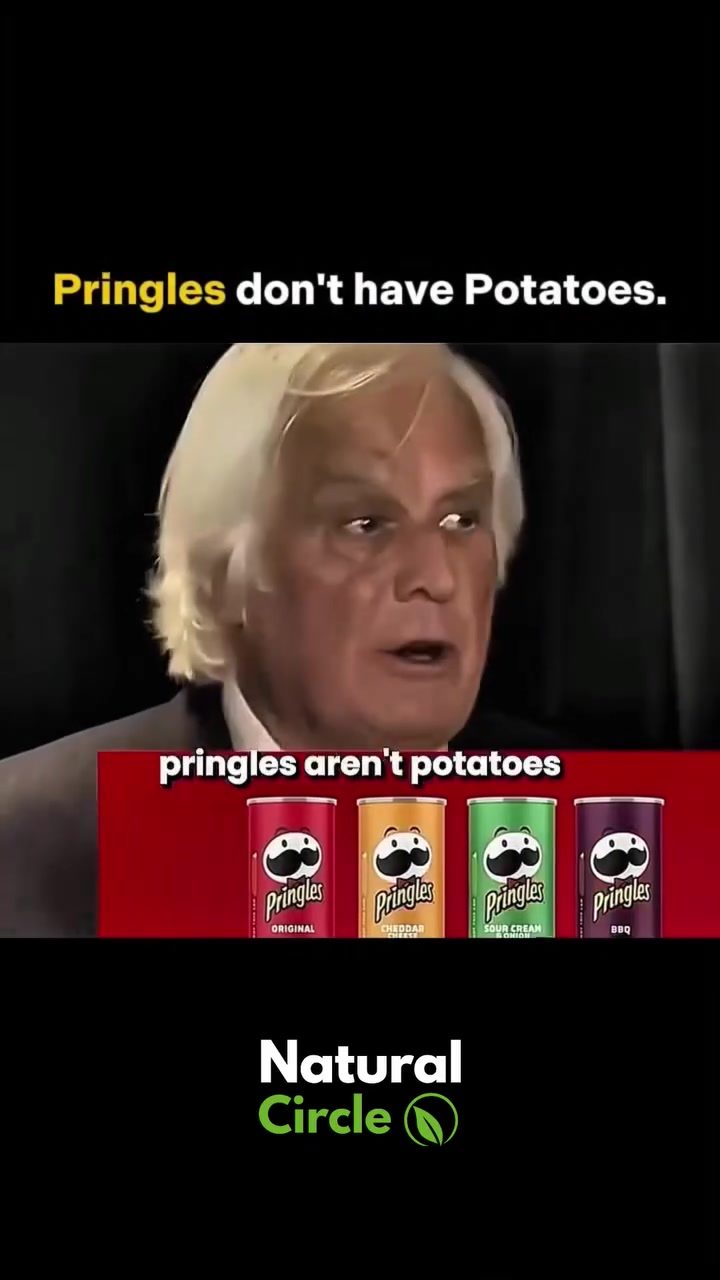
Pringles: What They Really Are
Pringles, those crispy, cylindrical snacks often thought of as potato chips, actually have a more complex identity. Understanding their composition and classification can shed light on what you're really consuming.
Context / Why This Matters
The distinction between what Pringles are and what they're labeled as, matters for food knowledge and health choices. Pringles are classified as "potato crisps" by the FDA, not "chips." This classification is because Pringles aren't made from whole potatoes. Instead, they are made from a blend of processed potato flour, corn, rice, and wheat starch.
The Ingredients
Pringles are not what you might think. They are not made from sliced whole potatoes but from a mixture of processed ingredients including potato flour, corn, rice, and wheat starch. These ingredients are blended into a dough-like paste, which is then extruded and shaped into the classic Pringles form. This process involves drying the paste that could be considered chemically engineered.
FDA Classification
The FDA has strict guidelines for food labeling. For a product to be called "chips," it must contain a significant amount of the named ingredient, in this case, potato. Since Pringles do not meet this criterion, the FDA has required the manufacturer to remove the term "chips" from the packaging.
Processing and Manufacturing
The manufacturing process of Pringles is a multi-step procedure:
- Ingredient Blending: First, potato flour, corn, rice, and wheat starch are combined to form a homogeneous mixture.
- Extrusion: This mixture is then extruded into a dough-like paste, which is later shaped into the familiar Pringles form. The paste is carefully controlled to ensure consistency and quality.
- Drying: The shaped paste is dried to remove moisture, giving Pringles their crispy texture.
- Flavoring and Packaging: Finally, the Pringles are flavored and packaged, ready for consumption.
Practical Tips
When it comes to making informed food choices, here are some practical tips to keep in mind:
- Read Labels: Always check the ingredient list on food packaging. This can provide valuable insights into what you're actually consuming.
- Understand Processing: Be aware of the processing methods used in food production. Highly processed foods often contain additives and preservatives that may not be beneficial for long-term health.
- Seek Whole Foods: Opt for whole-food alternatives whenever possible. These foods are minimally processed and retain more of their natural nutrients.
- Make Mindful Choices: Consider both the immediate satisfaction of a snack and its long-term impact on your health. Swapping processed snacks for whole-food options can lead to better overall health outcomes.
Important Takeaways
The Identity of Pringles
Pringles are not what they seem. They are not made from whole potatoes and do not meet the FDA's criteria for being classified as "chips." Instead, they are made from a blend of processed ingredients and are classified as "potato crisps."
The Importance of Label Knowledge
Understanding food labels and processing methods is crucial for making informed choices. Always take the time to read ingredient lists and understand what goes into the foods you consume.
Health Considerations
While Pringles may satisfy a craving, they are highly processed and lack the nutritional benefits of whole foods. Opting for whole-food alternatives can lead to better health outcomes in the long run.
Conclusion
Pringles, though popular and widely consumed, are not the same as traditional potato chips. They are made from a processed mixture of starches, not whole potatoes. Understanding their composition and classification can help you make more mindful food choices. By reading labels, understanding processing methods, and opting for whole-food alternatives, you can take steps toward a healthier diet.
Watch the Reel
Questions readers ask
What are Pringles made of?
Pringles are made from a blend of processed ingredients, including potato flour, corn starch, rice starch and wheat starch, and not from whole potatoes.
Why are Pringles classified as 'potato crisps' by the FDA?
The FDA classifies Pringles as 'potato crisps' because they are not made from whole potatoes, unlike traditional potato chips.
What is the difference between Pringles and natural potato chips?
The primary difference lies in their composition. Pringles are made from a blend of processed starches, while natural potato chips are made from sliced whole potatoes.
Are Pringles healthier than regular potato chips?
Pringles and potato chips have similar nutritional content, as they are both high in salt and fat. However, Pringles may contain more additives and preservatives due to their processing.
Why do Pringles have a unique shape?
Pringles' unique circular shape is a result of their manufacturing process, which involves extruding the dough and then cutting it into thin slices. This shape also makes them stackable and easy to pack.
What are the main ingredients in Pringles?
Pringles' main ingredients include potato flour, cornstarch, rice starch, and wheat starch, along with other additives and preservatives.
How do the starches in Pringles differ from those in whole potatoes?
The starches in Pringles are processed and derived from various sources like corn and rice, whereas whole potatoes contain natural starches with different nutritional properties. This distinction affects the taste, texture, and nutritional content.
Related deep dives
Similar reads based on topic and creator.



Recent articles
Fresh deep dives from the latest Reels we unpacked.




Comments
Be the first to comment.