Muscle Loss and Training
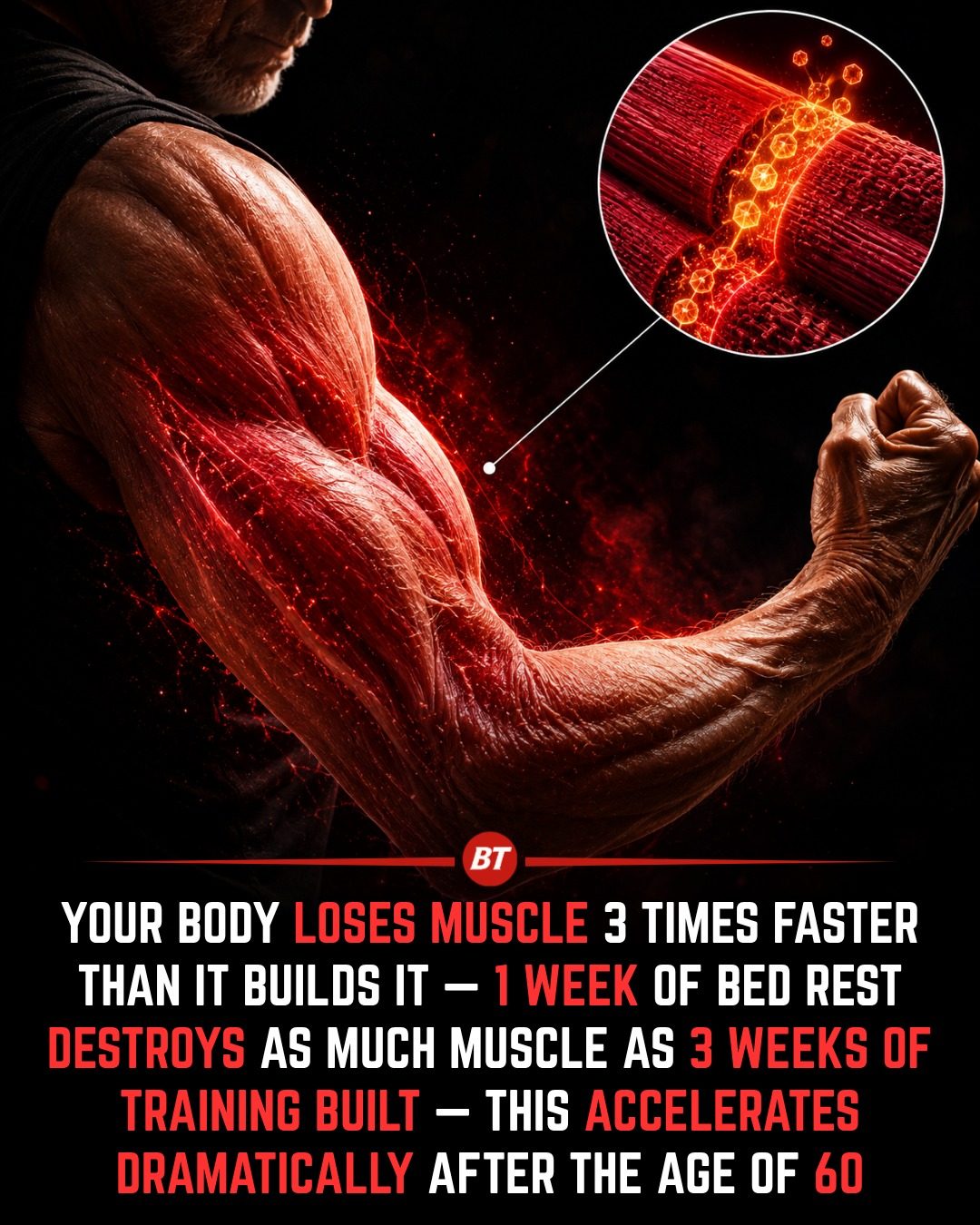
Muscle loss is a natural part of aging, but many people don't realize just how quickly it can happen. During inactivity, your body can lose muscle mass at a remarkable pace. Understanding the dynamics of muscle loss and the importance of consistent training is crucial for maintaining strength and overall health, especially as you age.
Why this matters
Muscle plays a vital role in the body. It's not just about appearance; muscle is essential for balance, mobility, bone strength, blood sugar regulation, and metabolic health. It also significantly contributes to maintaining independence as you age. Without it, even simple daily activities can become challenging. Muscle loss can begin as early as your 30s, but the rate of loss accelerates significantly with age, especially after 60.
Main discussion
The science behind muscle loss
Muscle tissue is highly metabolically active, which means it burns a lot of calories even at rest. However, this metabolic activity also makes muscle tissue surprisingly quick to disappear when it's not being used. Research has shown that healthy adults can begin losing measurable muscle mass and strength after just 5–7 days of complete bed rest or immobilization. Studies from organizations such as NASA, along with clinical research on hospitalized patients, have demonstrated that even short periods of inactivity can lead to rapid declines in muscle size, strength, and insulin sensitivity.
In fact, one week of bed rest can negate the effects of three weeks of training, highlighting just how quickly muscle can be lost. This process accelerates dramatically after the age of 60, a condition known as sarcopenia. Older adults experience anabolic resistance, meaning their muscles respond less efficiently to exercise and dietary protein. Without regular strength training, adults can lose approximately 3–8% of their muscle mass per decade after age 30, with the rate accelerating later in life. In addition, muscle loss is not just about appearance; it's about maintaining the ability to live independently.
The challenges of muscle gain
Building new muscle requires weeks to months of consistent resistance training, adequate protein intake, and recovery. This makes muscle loss far easier than muscle gain. The body loses muscle three times faster than it builds it. Even when you are physically active, it is important to include resistance or strength training exercises to maintain muscle mass.
Factors affecting muscle loss
Several factors contribute to muscle loss, including age, inactivity, and diet. As mentioned earlier, age is a significant factor. After age 30, muscle mass naturally begins to decline, and this process speeds up after age 60. Inactivity is another major contributor to muscle loss. When muscles are not used, they quickly atrophy, or waste away.
Diet also plays a crucial role in muscle maintenance. Adequate protein intake is essential for building and repairing muscle tissue. Without enough protein, the body cannot maintain or build muscle mass. Additionally, certain medical conditions and medications can contribute to muscle loss. For example, prolonged bed rest or immobilization, as well as conditions like cancer, AIDS, and chronic obstructive pulmonary disease (COPD), can lead to significant muscle loss.
Practical tips
Resistance training
Resistance training is one of the most effective ways to combat muscle loss. This type of exercise involves working against a force, such as weights, resistance bands, or even your own body weight. Examples include squats, push-ups, lunges, and lifting weights. Aim for two to three resistance training sessions each week. Even simple exercises like carrying groceries or doing yard work can help maintain muscle mass.
Stay physically active
In addition to resistance training, it's essential to stay physically active every day. This can include activities like walking, cycling, or swimming. The key is to keep moving and avoid prolonged periods of inactivity.
Adequate protein intake
Protein is the building block of muscle tissue, so it's crucial to consume enough of it every day. Good sources of protein include lean meats, poultry, fish, eggs, dairy, legumes, and nuts. Aim for at least 1.2 to 1.7 grams of protein per kilogram of body weight per day, depending on your activity level and age.
Regular check-ups
Regular medical check-ups can help identify any underlying conditions that may contribute to muscle loss. Early detection and treatment can help prevent or slow down muscle loss. Additionally, regular check-ups can help monitor muscle mass and strength, allowing for adjustments to exercise and diet as needed.
Stay hydrated
Dehydration can lead to muscle fatigue and loss, so it's essential to stay hydrated throughout the day. Aim for at least 8 to 10 cups of water per day, and more if you're physically active or live in a hot climate.
Get enough rest
Muscle tissue is metabolically active and requires adequate rest and recovery. Make sure to get enough sleep each night, and allow your muscles time to recover between workouts. Aim for 7 to 9 hours of sleep per night, and consider taking rest days between workouts to allow your muscles to repair and grow.
Important takeaways
Muscle loss is a natural part of aging, but it can be slowed down and even reversed with the right strategies. Understanding the science behind muscle loss, including the challenges of muscle gain and the factors contributing to muscle loss, is crucial. Additionally, incorporating resistance training, staying physically active, consuming adequate protein, regular check-ups, staying hydrated, and getting enough rest can help maintain muscle mass and strength as you age.
Conclusion
Muscle loss is a natural process, but it's one that can be influenced by lifestyle factors. By understanding the dynamics of muscle loss and taking proactive steps to maintain muscle mass, you can significantly improve your overall health and quality of life, especially as you age. Remember, it's never too late to start strength training and make positive changes to your diet and lifestyle. Every small step you take towards maintaining your muscle mass and strength will pay off in the long run.
Watch the Reel
Questions readers ask
Why do we begin to lose muscle mass as we age?
Age-related muscle loss, also known as sarcopenia, begins in your 30s and accelerates as you get older. This occurs due to a combination of factors, including hormonal changes, a decrease in physical activity, and a reduction in the body's ability to synthesize protein. Additionally, aging nerves can lead to a reduction in the number of muscle fibers.
Which is better for preventing muscle loss: cardio or strength training?
While cardio does offer health benefits, strength training is more effective for preventing muscle loss. Strength training stimulates muscle growth and maintenance, while cardio primarily improves cardiovascular health and endurance. Incorporating both into your routine is ideal, but prioritize strength training for muscle preservation.
What is the recommended amount of protein to maintain muscle mass as you age?
As you age, your body becomes less efficient at using protein to build and repair muscles. Most active adults over 50 should aim for 1.0 to 1.2 grams of protein per kilogram of body weight per day. However, this can vary based on individual needs and activity levels, so consult a healthcare professional for personalized advice.
What are the best exercises to prevent muscle loss as you age?
The best exercises for preventing muscle loss are resistance and strength training exercises. These include bodyweight exercises (like push-ups, squats, and lunges), weightlifting, and resistance band workouts. Aim for at least two sessions of 30-40 minutes per week, focusing on all major muscle groups, and ensure proper form to avoid injury.
How does muscle loss affect mobility and balance in older adults?
Muscle loss can significantly impact mobility and balance, as muscles support and stabilize joints, and aid in movement. Weakened muscles can make simple tasks, like standing up from a chair or climbing stairs, challenging and increase the risk of falls and injuries. Maintaining strong muscles through resistance training can help preserve mobility and balance as you age.
Is it possible to build muscle after 50?
Yes, it is possible to build muscle after 50, although it may take longer than it did when you were younger. Consistent resistance training, adequate protein intake, and proper rest can stimulate muscle growth. Be patient, start with a manageable workout routine, and gradually increase intensity as your strength improves.
How does inactivity contribute to rapid muscle loss?
Prolonged inactivity can lead to rapid muscle loss due to a lack of muscle stimulation. When muscles are not used, the body breaks down muscle tissue for energy, leading to a decrease in muscle mass and strength. This process can occur quickly, especially in older adults, so maintaining an active lifestyle is crucial for preserving muscle mass.
Related deep dives
Similar reads based on topic and creator.




Recent articles
Fresh deep dives from the latest Reels we unpacked.


Comments
Be the first to comment.