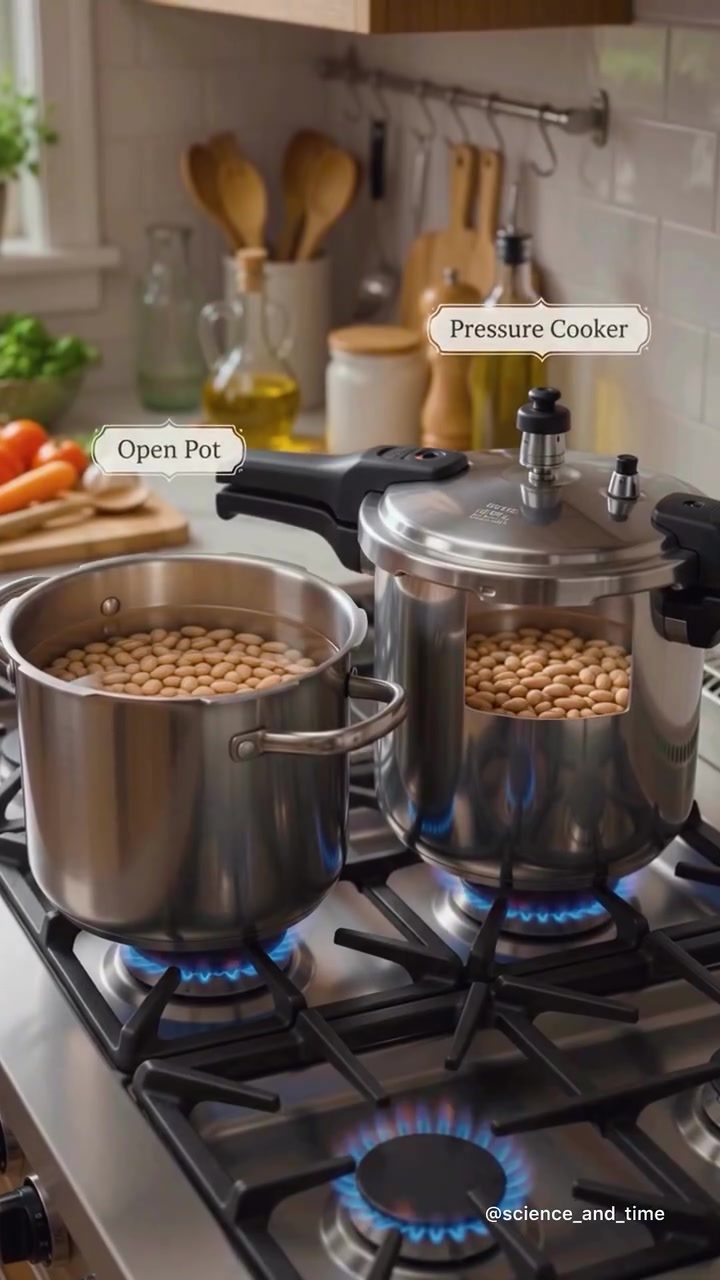
Pressure Cooking: The Science Behind Faster Cooking
Pressure cooking is a method that significantly reduces cooking times by harnessing the power of steam and pressure. Unlike traditional cooking methods, pressure cooking relies on a sealed environment to trap steam, which in turn raises the boiling point of water and accelerates the cooking process.
Why This Matters
Pressure cooking isn't just about convenience; it's a fascinating intersection of physics and culinary art. Understanding how a pressure cooker works can help you make better use of this kitchen gadget, leading to more efficient and effective meal preparation. Whether you're a seasoned chef or a home cook looking to save time, grasping the principles behind pressure cooking can enhance your culinary skills.
The Science Behind Pressure Cooking
How Pressure Cookers Work
The fundamental principle of pressure cooking involves trapping steam within a sealed vessel. When water boils inside a pressure cooker, the steam cannot escape freely. This trapped steam increases the pressure inside the cooker, which in turn raises the boiling point of water. Instead of boiling at 100°C (212°F), the water can reach temperatures as high as 121°C (250°F). This higher temperature allows food to cook much faster and more evenly.
The Role of Steam and Pressure
Inside a pressure cooker, the steam generated from boiling water is confined within the sealed environment. As more steam is produced, it builds up pressure within the cooker. This increased pressure causes the water to reach higher temperatures, which penetrates deep into the food, softening starches and breaking down tough fibers more efficiently. This is why tough foods like beans, vegetables, and meats cook faster in a pressure cooker compared to traditional methods.
Safety Mechanisms
One of the key concerns with pressure cooking is safety. Pressure cookers are designed with several safety mechanisms to prevent accidents. A regulator releases excess steam to control the pressure, ensuring it stays within a safe range. Locking and backup safety systems keep the lid securely in place, preventing it from opening while there is still pressure inside. Once the heat is turned off, the steam begins to condense back into water, reducing the pressure. Only when the pressure has decreased to a safe level does the safety lock release, allowing the cooker to be opened safely.
Practical Tips for Effective Pressure Cooking
Preparing Food for Pressure Cooking
To get the most out of your pressure cooker, it's essential to prepare your ingredients correctly. Cutting food into uniform sizes ensures even cooking. Adding enough liquid is crucial; the general rule is to use at least one cup of liquid for every three to four cups of food. This liquid can be water, broth, or even the natural juices from the food itself.
Understanding Pressure Levels
Most pressure cookers have settings for different pressure levels, typically low and high. Low pressure is around 8 psi (pounds per square inch), while high pressure is around 15 psi. High pressure is ideal for quick cooking, while low pressure is better for delicate foods that require slower cooking to prevent overcooking.
Managing Cooking Times
Cooking times in a pressure cooker are significantly reduced compared to conventional methods. However, it's important to follow recipes that specify pressure cooking times, as overcooking can lead to mushy or dried-out food. Generally, cooking times are about one-third to one-quarter of the time required for conventional methods.
Using Natural Release vs. Quick Release
Pressure cookers allow for two types of pressure release: natural and quick. Natural release involves letting the pressure drop gradually on its own, which is suitable for most recipes. Quick release, on the other hand, involves manually releasing the steam, which is useful for delicate foods that can overcook easily. Understanding when to use each method can help you achieve the best results.
Important Takeaways
Pressure cooking is a powerful method that leverages the principles of physics to speed up the cooking process. By trapping steam and increasing pressure, pressure cookers can reach higher temperatures, leading to faster and more efficient cooking. The key safety mechanisms ensure that the process is safe and controlled, making pressure cooking a reliable and efficient method for preparing a variety of dishes.
Conclusion
Pressure cooking offers a unique blend of science and culinary art, making it a valuable tool in any kitchen. Whether you're looking to save time, conserve energy, or simply try something new, understanding the science behind pressure cooking can enhance your cooking experience. With the right techniques and safety measures, pressure cooking can be a game-changer in your culinary repertoire, delivering delicious and perfectly cooked meals in a fraction of the time.
Watch the Reel
Questions readers ask
How does a pressure cooker increase the boiling point of water?
A pressure cooker increases the boiling point of water by trapping steam within a sealed vessel. As the steam builds up, it creates pressure, which in turn raises the temperature at which water boils. This higher temperature accelerates the cooking process, reducing the time needed to cook food thoroughly.
What are the key benefits of using a pressure cooker compared to traditional cooking methods?
Pressure cookers offer several benefits, including significantly reduced cooking times, even heat distribution for more consistent cooking, and the ability to preserve nutrients and flavors. Additionally, they can help tenderize tough cuts of meat and make it easier to cook certain ingredients like beans and grains.
Is it safe to use a pressure cooker, and what precautions should I take?
Yes, pressure cookers are safe to use when proper precautions are taken. Always follow the manufacturer's instructions, ensure the valve is clear and clean, and never overfill the cooker. Additionally, be cautious when releasing pressure to avoid burns from hot steam.
Can pressure cookers be used for all types of cooking?
Pressure cookers are versatile and can be used for a variety of cooking tasks, from stews and soups to meats and grains. However, they are not suitable for all types of cooking. For example, they are not ideal for recipes that require evaporation or reduction, such as sauces or dishes that need to be simmered for long periods.
How does the science behind pressure cookers make cooking faster?
The science behind pressure cookers involves trapping steam and increasing pressure, which raises the boiling point of water. This higher temperature allows food to cook at a faster rate, as the heat is more intensely and evenly distributed. The sealed environment also helps to retain moisture, further accelerating the cooking process.
What happens if a pressure cooker is overfilled?
Overfilling a pressure cooker can lead to several issues, including improper pressure buildup, uneven cooking, and potential food spillage. It can also cause the pressure release valve to become clogged, which can be dangerous. Always follow the recommended filling guidelines, usually no more than 2/3 full for liquids and 1/2 full for foods.
Why does food cook more evenly in a pressure cooker?
Food cooks more evenly in a pressure cooker due to the uniform distribution of heat and pressure. The sealed environment ensures that the heat is applied consistently from all sides, and the higher boiling point allows for more effective heat transfer. This combination results in food that is cooked thoroughly and evenly throughout.
Recent articles
Fresh deep dives from the latest Reels we unpacked.


Comments
Be the first to comment.