Yoga for a Normal Delivery: A Guide to Prenatal Yoga
Prenatal yoga is a powerful tool for preparing the body and mind for a normal delivery. It combines physical postures, breathing techniques, and meditation to enhance overall well-being during pregnancy. This practice can improve flexibility, strengthen pelvic muscles, reduce back pain, and promote relaxation, making it an invaluable part of prenatal care.
Why this Matters
Prenatal yoga offers numerous benefits that extend beyond physical fitness. It prepares the body for the challenges of labour and delivery, enhances mental health, and fosters a deeper connection with the baby. By engaging in pregnancy-safe, evidence-based yoga, expectant mothers can experience a smoother pregnancy journey and feel more confident about the birthing process.
Main Discussion
Building Strength
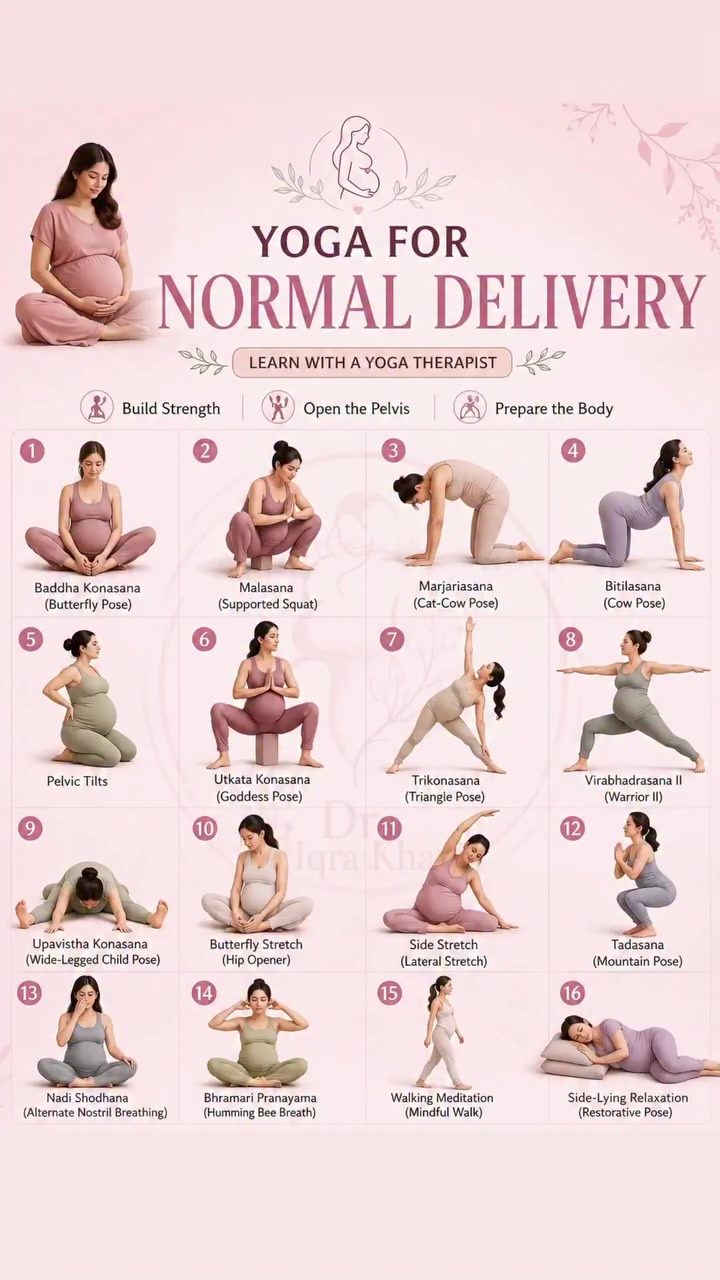
Strengthening the body is crucial for a normal delivery. Yoga poses like Malasana (Supported Squat) and Utkata Konasana (Goddess Pose) help build lower body strength, which is essential for labour. These poses focus on the legs, hips, and core, areas that will be heavily engaged during delivery.
- Malasana (Supported Squat): This pose helps open the hips and strengthen the thighs and lower back. It also helps prepare the body for labour by mimicking the squatting position that many women find comfortable during delivery.
- Utkata Konasana (Goddess Pose): This pose strengthens the inner thighs, hips, and core, all of which play a vital role in supporting the body during labour. It also helps to open the pelvis, which can aid in a smoother delivery.
Opening the Pelvis
Pelvic mobility is another key aspect of preparing for a normal delivery. Yoga poses that focus on opening the pelvis can help make the birthing process more comfortable and efficient.
- Baddha Konasana (Butterfly Pose): This pose is excellent for opening the hips and stretching the inner thighs, which can help alleviate discomfort and prepare the body for childbirth.
- Pelvic Tilts: This exercise involves gently rocking the pelvis forward and backward, which can help relieve lower back pain and promote flexibility in the pelvic area.
Preparing the Body
Engaging in a regular yoga practice also helps to prepare the body in more subtle ways, influencing the overall mental and physical readiness for childbirth.
- Trikonasana (Triangle Pose): This pose stretches the hips, groin, and hamstrings, which can help alleviate discomfort and prepare the body for labour. It also improves balance and strength.
- Virabhadrasana II (Warrior II): This pose strengthens the legs and core, promotes stability, and helps open the hips.
Breathing Exercises
Breathing exercises are an integral part of prenatal yoga, offering both physical and mental benefits. Techniques like Nadi Shodhana (Alternate Nostril Breathing) and Bhramari Pranayama (Humming Bee Breath) help to calm the mind, reduce stress, and manage pain during labour.
- Nadi Shodhana (Alternate Nostril Breathing): This technique involves breathing through one nostril at a time, which can help balance the mind and promote relaxation.
- Bhramari Pranayama (Humming Bee Breath): This breathing exercise involves making a humming sound while exhaling, which can help soothe the mind and body, reducing anxiety and stress.
Practical Tips
When practicing prenatal yoga, it's important to remember:
- Always consult with a healthcare provider before starting any new exercise regimen, especially during pregnancy.
- Listen to your body and avoid any poses that cause pain or discomfort.
- Focus on modifying poses as needed to accommodate your changing body.
- Practice mindful breathing throughout your yoga routine to stay connected with your body and baby.
Important Takeaways
For women preparing to deliver a child naturally, yoga can be a game-changer. By focusing on building strength, opening the pelvis, and preparing the body through various techniques, yoga offers a holistic approach to prenatal care. Additionally, the breathing exercises and relaxation techniques can make the labour and delivery process smoother and less stressful.
Conclusion
Prenatal yoga is an excellent way to prepare for a normal delivery. It not only strengthens the body and mind but also instills confidence in expectant mothers. By incorporating yoga into your prenatal routine, you can enhance your overall well-being and feel more prepared for the journey ahead.
Watch the Reel
Questions readers ask
Which prenatal yoga poses are best for pelvic opening and preparing for labor?
Prenatal yoga poses that focus on pelvic opening, such as Baddha Konasana (Butterfly Pose) and Malasana (Squat Pose), can help prepare the pelvis for labor. These poses increase flexibility in the pelvic region, making the delivery process smoother. Additionally, poses like Cat-Cow and pelvic tilts can help alleviate lower back pain and encourage optimal fetal positioning.
How can yoga help reduce labor pain?
Yoga can help ease labor pain by enhancing overall flexibility and strength, particularly in the pelvic region and lower back. Certain poses, like Child's Pose and Squatting, can help open the pelvis and provide relief during contractions. Furthermore, breathing techniques and mindfulness, such as Ujjayi Pranayama, can promote relaxation and help manage pain during labor.
What are some beneficial breathing techniques for birth and labor?
Prenatal yoga incorporates various breathing techniques, like Ujjayi Pranayama (Ocean Breath) and Sama Vritti (Equal Breathing), which can help manage labor pain. By practicing mindful breathing, expectant mothers can reduce anxiety, stay focused, and conserve energy during contractions. Additionally, exhaling while contracting and inhaling while relaxing can create a rhythmic pattern that supports labor progression.
Which yoga poses are best for improving posture during pregnancy?
Prenatal yoga offers several poses that can improve posture during pregnancy, such as Mountain Pose (Tadasana) and Cat-Cow Pose. These poses help realign the spine, strengthen the back, and open the chest, counteracting the anterior pelvic tilt and rounded shoulders that commonly occur during pregnancy. Regular practice can alleviate discomfort and promote better posture.
Can prenatal yoga help strengthen the pelvic floor?
Yes, prenatal yoga can help strengthen the pelvic floor through specific poses and exercises. Poses like Kegels, Bridge Pose (Setu Bandha Sarvangasana), and Squatting can help tone and strengthen the pelvic floor muscles. A strong pelvic floor is essential for supporting the baby during pregnancy, and it can facilitate a smoother, more efficient delivery and promote postpartum recovery.
How does prenatal yoga foster a deeper connection with the baby?
Prenatal yoga encourages a deeper connection with the baby through mindfulness, relaxation, and focused attention on the unborn child. By practicing yoga, expectant mothers can foster a sense of calm and tranquility, promoting a stronger bond with their baby. Additionally, gentle touch and visualization techniques during yoga can help mothers feel emotionally connected to their growing baby and prepare for the emotional journey of motherhood.
Related deep dives
Similar reads based on topic and creator.
Recent articles
Fresh deep dives from the latest Reels we unpacked.




Comments
Be the first to comment.