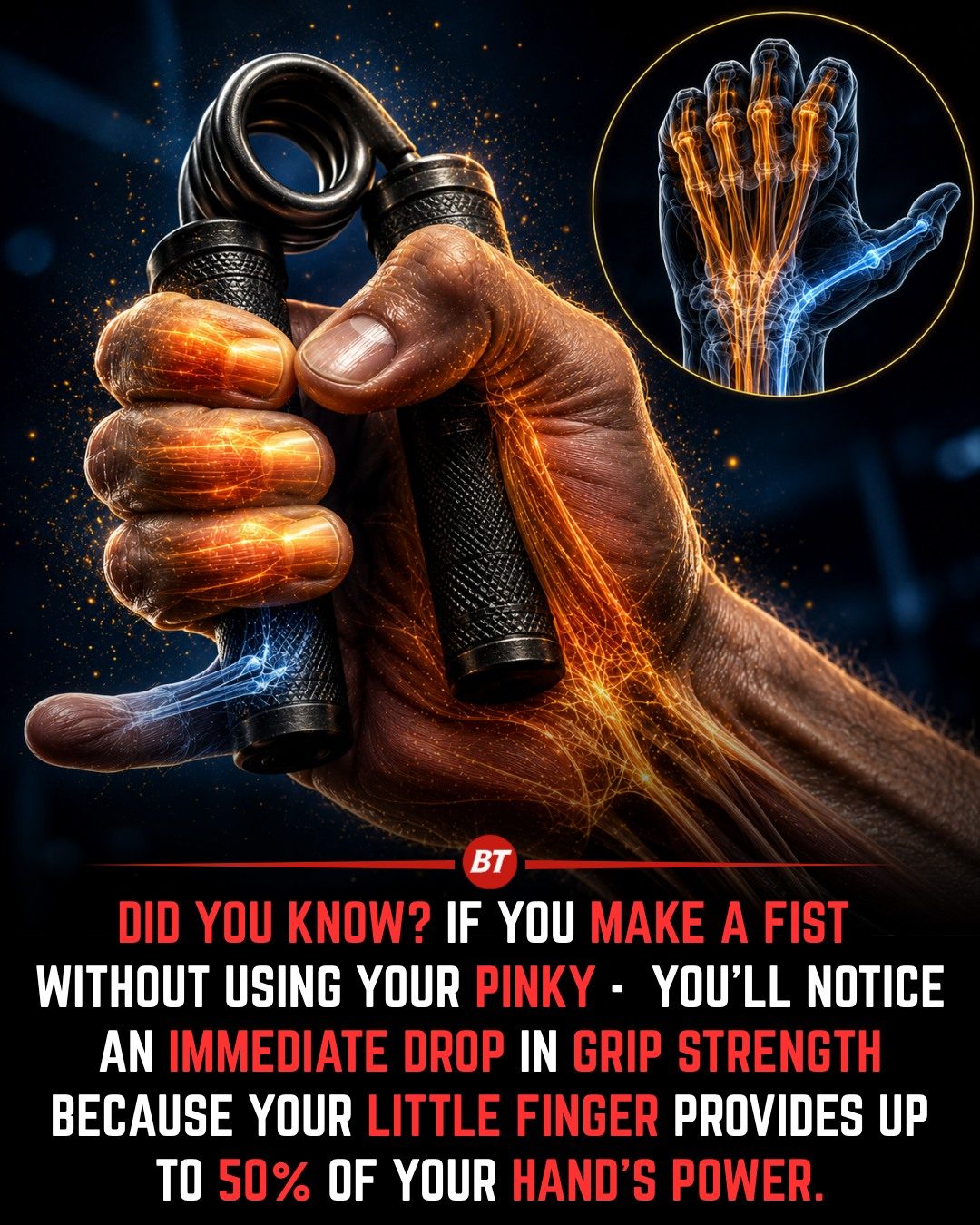
Hand Grip Strength and the Role of the Little Finger
Your little finger, the smallest of the bunch, plays a surprisingly significant role in your hand's gripping power. This is a critical point when it comes to understanding and improving grip strength, a vital component of many everyday activities and athletic pursuits.
Grip strength is often overlooked, but it is crucial for tasks ranging from carrying groceries to performing high-intensity exercises like deadlifts or pull-ups. The little finger, despite its size, is instrumental in generating a strong and stable grip. Understanding its role can help enhance overall hand strength and improve performance in various activities.
Context / Why this Matters
Grip strength is more than just a measure of hand power; it is a key indicator of overall muscle strength, healthy aging, and physical function. As we age, maintaining grip strength is essential for performing daily tasks and reducing the risk of injuries. Those who focus on improving their grip strength often see enhancements in their ability to carry heavy objects, use tools, and perform exercises that require a firm grip.
Main Discussion
The Mechanics of Grip Strength
The little finger, along with the ring finger, is part of the ulnar side of the hand. The muscles and tendons on this side contribute significantly to the power and stability of a grip. When you make a fist, these fingers work together to generate the force needed for a secure hold. Without the little finger, the hand loses much of its mechanical leverage, making it harder to generate maximum force and maintain control.
The Impact of the Little Finger
Biomechanical studies have shown that the little finger can contribute up to half of the hand's gripping power when it works with the rest of the hand. This is because the little finger helps widen the contact area between the hand and the object being gripped, providing a more stable and secure hold. When the little finger is not engaged, the overall grip strength significantly decreases, and the hand feels weaker and less stable.
Practical Applications
The significance of the little finger extends beyond simple gripping tasks. It is crucial in activities that require a power grip, such as lifting weights, swinging a hammer, or performing pull-ups. For athletes and fitness enthusiasts, this means focusing on exercises that engage the little finger and the ulnar side of the hand can lead to improved performance and reduced risk of injuries. Examples of exercises that benefit from this focus include deadlifts, farmer's walks, and dead hangs.
Scientific Studies
A 2023 review published in the Journal of Hand Therapy highlighted the importance of the ulnar side of the hand, particularly the ring and little fingers, in producing strong power grips. These grips are essential for lifting, carrying, climbing, and many everyday tasks. The study underscores the need to incorporate exercises that target these fingers to enhance overall grip strength and hand function.
Practical Tips
To improve your grip strength and ensure that your little finger is doing its part, consider the following tips:
- Farmer's Walks: Hold heavy dumbbells or kettlebells in each hand and walk a set distance. This exercise works the entire grip and engages the little finger.
- Dead Hangs: Hang from a pull-up bar with an overhand grip for as long as possible. This exercise targets the muscles and tendons on the ulnar side of the hand.
- Towel Hangs: Hang from a towel wrapped around a pull-up bar. This variation increases the demand on the fingers and improves grip strength.
- Heavy Carries: Use heavy handles or bars and walk with them. This exercises the grip muscles and improves overall grip strength.
- Conscious Engagement: When performing these exercises, make a conscious effort to keep your ring finger and pinky firmly wrapped around the handle. This conscious engagement can help strengthen these fingers and improve overall grip.
Important Takeaways
- Significant Contribution: The little finger contributes up to 50% of your hand's gripping power.
- Grip Stability: The little finger widens the contact area between your hand and the object, enhancing grip stability.
- Exercise Focus: Incorporate exercises that engage the ulnar side of the hand, such as farmer's walks, dead hangs, and heavy carries.
- Everyday Tasks: A strong grip is crucial for everyday tasks and athletic performance.
Conclusion
The little finger, often overlooked, plays a crucial role in grip strength. By understanding its significance and incorporating targeted exercises, you can improve your overall hand strength and performance in various activities. Whether you're an athlete, a fitness enthusiast, or someone looking to stay active and healthy, focusing on your grip strength can have a profound impact on your daily life and physical abilities.
Watch the Reel
Questions readers ask
How does the little finger contribute to overall grip strength?
The little finger, though small, plays a crucial role in grip strength by helping to stabilize and distribute the force across the hand. It helps maintain a firm hold, especially when lifting or carrying objects. Engaging the little finger can improve overall hand strength, making daily tasks and athletic pursuits easier.
What are some effective exercises to strengthen the little finger?
Some targeted exercises to improve little finger strength include pinky finger stretches, such as spreading all fingers apart, then squeezing the pinky finger into a fist, and opening the hand again. Another exercise is using a small stress ball, squeezing it with the pinky finger while the other fingers remain relaxed. Incorporating these exercises into a daily routine can help boost grip strength.
Why is improving grip strength important for daily activities?
Improving grip strength can make numerous daily tasks easier, such as opening jars, carrying groceries, or even playing musical instruments. Stronger grip strength can prevent injuries and enhance performance in various physical activities. Incorporating finger strength training, particularly focusing on the little finger, can significantly impact overall hand functionality.
How can the little finger aid in weightlifting and athletic performance?
In weightlifting, a strong little finger helps maintain a stable grip on the barbell or weight, preventing slippage during exercises like deadlifts or pull-ups. This stability can lead to better performance and reduced risk of injury. Incorporating pinky finger exercises into a workout routine can enhance grip strength, benefiting athletes and fitness enthusiasts alike.
What benefits can I expect from improving my pinky finger's strength?
By improving your pinky finger's strength, you can enhance your overall grip strength and hand stability. This can lead to improved performance in various activities, reduced risk of hand injuries, and better dexterity. Additionally, a stronger pinky finger can contribute to improved fine motor skills and hand coordination.
How often should I perform pinky finger exercises to see improvements?
Consistency is key when it comes to improving pinky finger strength. Aim to perform finger strength training exercises, including those specifically for the little finger, at least 3-5 times a week. Incorporating these exercises into your daily routine can help you see noticeable improvements in grip strength and hand function over time.
Can improving pinky finger strength help with hand injuries or conditions?
While improving pinky finger strength can contribute to overall hand health and stability, it is not a guaranteed cure for specific hand injuries or conditions. Always consult a healthcare professional for personalized advice. However, incorporating finger strength training into a rehabilitation program, as recommended by a physician, can aid in recovery and improve hand functionality.
Related deep dives
Similar reads based on topic and creator.




Recent articles
Fresh deep dives from the latest Reels we unpacked.




Comments
Be the first to comment.