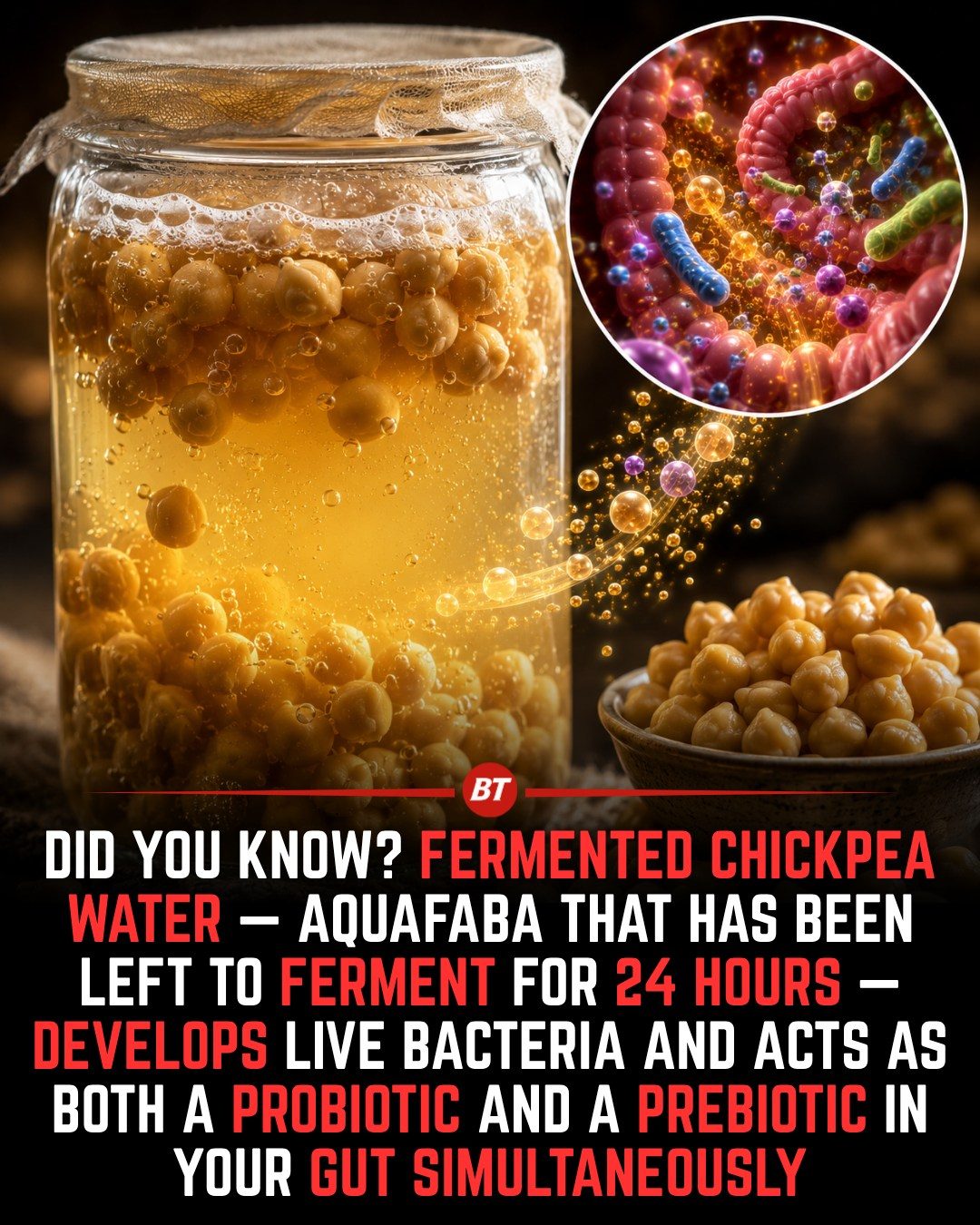
Fermented chickpeas are an intriguing addition to the world of gut-health-promoting foods. The liquid often discarded after cooking chickpeas — known as aquafaba — is a versatile and nutrient-rich byproduct that can be transformed into a powerful ally for gut health. This water contains soluble fibers, resistant starches, proteins, and plant compounds that leach out of the beans during cooking, making it a valuable ingredient beyond just being a plant-based egg white substitute.
Context / Why this matters
The significance of fermented chickpeas and their water, aquafaba, lies in their potential to support gut health. Aquafaba can be a food source for beneficial microorganisms when fermented under controlled conditions. During the fermentation process, bacteria consume some of the carbohydrates and produce compounds that may help maintain a healthy gut environment. This makes fermented aquafaba a unique blend of prebiotics and probiotics, which can support microbial diversity and digestive health.
The Science Behind Fermented Aquafaba
Fermentation is a natural process that has been used for centuries to preserve foods and enhance their nutritional value. When aquafaba is left to ferment for 24 hours, it develops live bacteria that act as both a probiotic and a prebiotic. Probiotics are live microorganisms that, when administered in adequate amounts, confer a health benefit on the host. Prebiotics, on the other hand, are non-digestible food ingredients that selectively stimulate the growth and/or activity of beneficial gut bacteria.
Researchers are increasingly interested in fermented legume products because they can contain both prebiotic compounds, which feed beneficial gut bacteria, and live microorganisms produced during fermentation. This dual-action can support a healthier gut environment, potentially improving overall digestive health and immune function.
The Benefits of Fermented Aquafaba
Fermented aquafaba offers several potential benefits for gut health. The fermentation process enriches the aquafaba with beneficial bacteria, which can help restore and maintain a healthy gut microbiome. The prebiotic fibers in aquafaba feed these beneficial bacteria, further promoting their growth and activity. This synbiotic effect — the combination of prebiotics and probiotics — can enhance the overall health of the gut microbiome.
How to Ferment Aquafaba
Fermenting aquafaba at home is a straightforward process, but it requires proper food safety practices to ensure consistent and safe results. Here’s a simple guide to get you started:
Preparation
- Collect the Aquafaba: After cooking chickpeas, save the cooking water. This liquid is your aquafaba.
- Choose a Container: Use a clean, airtight jar or container to store the aquafaba during fermentation.
- Add a Starter Culture (optional): You can add a small amount of a starter culture, such as a tablespoon of kombucha or a small amount of fermented vegetables, to kickstart the fermentation process.
Fermentation Process
- Ferment for 24 Hours: Let the aquafaba sit at room temperature for 24 hours. This allows the beneficial bacteria to multiply and develop.
- Check for Bubbles: After 24 hours, you should see some bubbles or a slight change in the consistency of the liquid, indicating that fermentation has occurred.
Storage and Use
- Store Properly: After fermentation, store the aquafaba in the refrigerator to slow down further fermentation.
- Use in Recipes: Incorporate fermented aquafaba into your recipes. It can be used in smoothies, baking, or as a plant-based substitute for egg whites in various dishes.
Practical Tips
Safety First
When fermenting foods at home, it is crucial to follow proper food safety practices. Always use clean utensils and containers, and ensure that your fermentation environment is free from contaminants. If you notice any signs of spoilage, such as a foul smell or mold, discard the aquafaba immediately.
Experiment with Flavors
While the fermentation process itself is straightforward, you can experiment with different flavors by adding herbs, spices, or other ingredients to the aquafaba before fermentation. This can enhance the taste and versatility of your fermented aquafaba.
Consistency is Key
The exact bacterial content of fermented aquafaba can vary widely depending on how it is prepared. To achieve consistent results, follow a reliable fermentation method and monitor the process closely. This will ensure that you get a meaningful amount of probiotic organisms in your aquafaba.
Incorporate into Daily Meals
Incorporating fermented aquafaba into your daily meals can be a simple and effective way to support gut health. Use it as a base for smoothies, add it to baking recipes, or use it as a substitute for egg whites in various dishes. The versatility of aquafaba makes it an easy addition to a wide range of meals.
Important Takeaways
Fermented chickpeas and their cooking water, aquafaba, present a unique opportunity to support gut health through natural and nutritious means. By fermenting aquafaba, you can create a food source rich in beneficial bacteria and prebiotic fibers, which can help promote a healthy gut microbiome. However, it is essential to follow proper food safety practices and use reliable fermentation methods to ensure consistent and safe results. Experiments and additions to recipes could make this a great addition to your routine.
Conclusion
Fermented aquafaba is a powerful and versatile ingredient that can support gut health and overall well-being. By understanding the science behind fermentation and following practical tips for preparation and use, you can harness the benefits of this nutrient-rich liquid. Incorporate fermented aquafaba into your daily meals to support a healthy gut and enjoy its many nutritional advantages.
Watch the Reel
Questions readers ask
What is aquafaba and how is it connected to chickpeas?
Aquafaba is the liquid that remains after cooking chickpeas. Often discarded, this liquid is rich in nutrients and proteins that leach from the chickpeas during cooking. It can be fermented to enhance its benefits for gut health.
How does fermenting aquafaba improve gut health?
Fermenting aquafaba transforms it into a rich source of prebiotics and probiotics. These elements support a diverse microbiome, improve digestion, and create a healthy gut environment. The fermentation process enhances the beneficial properties of the original aquafaba.
What are the benefits of including fermented aquafaba in my diet?
Including fermented aquafaba in your diet can support gut health by providing beneficial bacteria and prebiotics. It helps to improve digestion, foster microbial diversity, and promote a healthier gut microbiome. It can be easily integrated into various recipes.
Can fermented aquafaba help with digestive issues?
Yes, fermented aquafaba can help with digestive issues. The prebiotics and probiotics in fermented aquafaba support a healthy gut microbiome, which can alleviate symptoms of digestive disorders. The fermentation process increases the availability of beneficial compounds to your gut.
How can I ferment aquafaba at home?
Fermenting aquafaba at home is a simple process. Start by collecting the liquid from cooked chickpeas, let it sit at room temperature for a few days, then store it in the fridge. During this time, beneficial bacteria will naturally ferment the liquid, enhancing its gut health benefits. Always ensure cleanliness to avoid contamination.
What are the key nutrients in aquafaba that support gut health?
Aquafaba contains soluble fibers, resistant starches, proteins, and plant compounds that are beneficial for gut health. When fermented, it becomes an even richer source of prebiotics and probiotics, which support a diverse microbiome and improve digestive health.
Related deep dives
Similar reads based on topic and creator.




Recent articles
Fresh deep dives from the latest Reels we unpacked.




Comments
Be the first to comment.