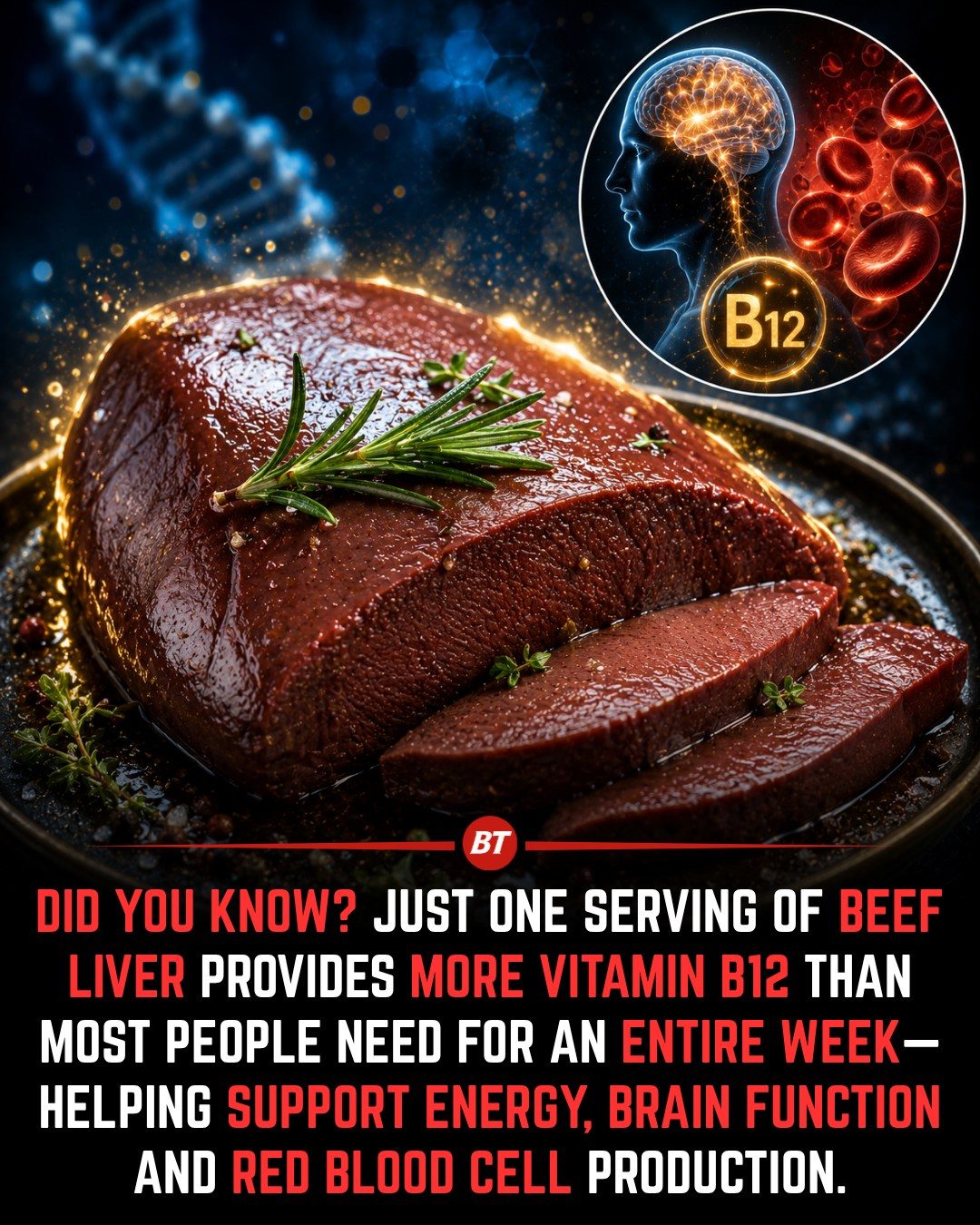
Beef and Vitamin B12
Beef liver is a powerhouse of nutrition, particularly when it comes to vitamin B12. This vital nutrient plays a crucial role in various bodily functions, making beef liver one of the most nutrient-dense foods available.
Why This Matters
Vitamin B12 is essential for maintaining overall health. It supports the production of red blood cells, aids in brain function, and helps maintain the protective myelin sheath around nerves. Additionally, it is crucial for DNA synthesis and converting food into usable energy. Given that the body cannot produce vitamin B12 on its own, it must be obtained from animal foods or fortified products. This is where beef liver comes into play.
Main Discussion
Nutritional Benefits of Beef Liver
A 3-ounce (85 g) serving of beef liver contains over 2,000% of the Daily Value for vitamin B12. This means one serving can provide more than enough B12 for an entire week. Alongside vitamin B12, beef liver is rich in other essential nutrients such as vitamin A, folate, iron, copper, riboflavin, and high-quality protein. Few foods can match the concentrated nutrient profile of beef liver.
The Role of Vitamin B12
Vitamin B12 is vital for several physiological processes. It helps in:
- Producing Healthy Red Blood Cells: Vitamin B12 is necessary for the formation of red blood cells, which are crucial for transporting oxygen throughout the body.
- Maintaining Nerve Function: It supports the maintenance of the myelin sheath, a protective covering around nerves that ensures proper nerve function.
- Brain Function: B12 plays a key role in cognitive processes, including memory and overall brain health.
- DNA Synthesis: It aids in the synthesis of DNA, which is essential for cellular growth and reproduction.
- Energy Production: B12 helps convert food into energy, ensuring that the body has the fuel it needs to function properly.
The Risks of Vitamin B12 Deficiency
A deficiency in vitamin B12 can lead to several health issues, including:
- Fatigue: Lack of energy and general weakness.
- Memory Problems: Difficulty concentrating and remembering information.
- Numbness or Tingling: Sensations in the hands and feet.
- Anemia: Particularly megaloblastic anemia, which affects the production of red blood cells.
Older adults, vegetarians, vegans, and individuals with digestive disorders are at a higher risk of B12 deficiency because the body's ability to absorb B12 naturally declines with age and certain medical conditions.
Practical Tips
Incorporating Beef Liver into Your Diet
Beef liver can be enjoyed in various ways, but it’s important to consume it in moderation due to its high vitamin A content. Here are some practical tips:
- Soaking: Before cooking, soak beef liver in milk or lemon water for 30–60 minutes. This helps to mellow its strong flavor.
- Cooking Methods: Lightly pan-sear it with onions or blend small amounts into ground beef for a more approachable, nutrient-packed meal.
- Frequency: For most healthy adults, enjoying liver once every week or two is sufficient to reap its nutritional benefits without overdoing it.
Preparing Beef Liver
To prepare beef liver, follow these simple steps:
- Soak: Place the beef liver in a bowl of milk or lemon water and let it soak for 30–60 minutes. This helps to reduce the strong flavor and tenderize the meat.
- Dry: Pat the liver dry with a paper towel to remove excess moisture.
- Season: Season with your choice of herbs and spices. Common choices include salt, pepper, garlic, and rosemary.
- Cook: Heat a pan over medium heat and add a small amount of oil. Cook the liver for 2-3 minutes on each side, or until it reaches your desired level of doneness.
Pairing Beef Liver with Other Foods
Beef liver pairs well with a variety of foods. Consider the following combinations:
- Vegetables: Cook it with onions, mushrooms, and bell peppers for a savory dish.
- Herbs and Spices: Enhance the flavor with fresh herbs like thyme, rosemary, and parsley, or spices like paprika and cayenne pepper.
- Proteins: Mix it with ground beef or other proteins to reduce the strong flavor while still benefiting from its nutrient density.
Important Takeaways
- Nutrient-Rich: Beef liver is one of the most nutrient-dense foods, with a single serving providing more than enough vitamin B12 for a week.
- Health Benefits: Vitamin B12 is crucial for red blood cell production, nerve function, brain health, DNA synthesis, and energy production.
- Moderation: While highly nutritious, beef liver should be consumed in moderation due to its high vitamin A content.
- Versatile: Beef liver can be prepared in various ways, making it a versatile addition to any diet.
Conclusion
Beef liver is a fantastic source of vitamin B12, offering numerous health benefits. Incorporating it into your diet can support energy levels, brain function, and overall health. By following practical tips for preparation and consumption, you can enjoy the nutritional advantages of beef liver while minimizing any potential downsides.
Watch the Reel
Questions readers ask
How much vitamin B12 is in beef liver compared to other high B12 foods?
Beef liver is exceptionally rich in vitamin B12, containing approximately 3500% of the daily recommended intake per 3-ounce serving. This makes it one of the most concentrated sources of this nutrient, far surpassing other sources like fish, poultry, or dairy products.
What are the signs of vitamin B12 deficiency?
Symptoms of vitamin B12 deficiency can be subtle and develop over time. Key indicators include fatigue, weakness, constipation, loss of appetite, and weight loss. Additionally, neurological symptoms such as numbness or tingling in the hands and feet, memory problems, and balance issues may occur. If you suspect a deficiency, consult a healthcare provider for proper evaluation and guidance.
How often should I consume beef liver to meet my vitamin B12 needs?
Consuming beef liver just once a week can significantly contribute to your vitamin B12 intake. A 3-ounce serving provides more than enough vitamin B12 to meet your daily needs. However, it's important to consider other factors, such as your overall diet and any pre-existing health conditions, when determining your optimal intake frequency.
What are the benefits of vitamin B12 for brain health?
Vitamin B12 plays a critical role in maintaining brain health by aiding in the production of neurotransmitters, which are essential for cognitive function. It also helps preserve the myelin sheath, a protective layer around nerves that ensures proper nerve signal transmission. Vitamin B12 is essential for preventing cognitive decline and reducing the risk of conditions like dementia and Alzheimer's disease.
Can I get too much vitamin B12 from eating beef liver?
While it is uncommon to consume excessive vitamin B12 through dietary sources, consuming large amounts of beef liver over a prolonged period could potentially lead to elevated vitamin B12 levels. It is always best to consume beef liver in moderation and as part of a balanced diet. If you have concerns about your vitamin B12 intake, discussing your diet with a healthcare professional is a good idea.
Related deep dives
Similar reads based on topic and creator.




Recent articles
Fresh deep dives from the latest Reels we unpacked.




Comments
Be the first to comment.