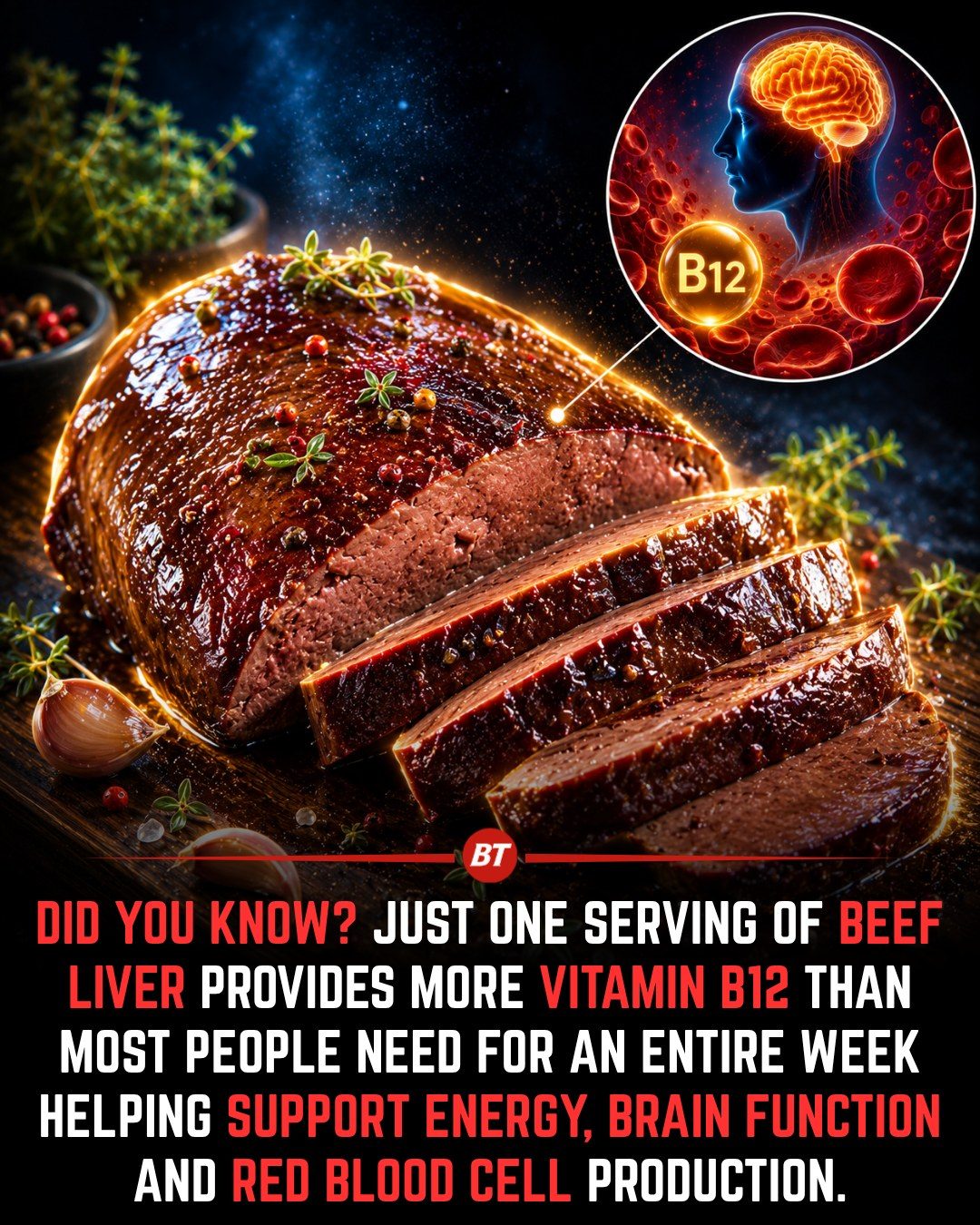
Beef Liver: A Powerhouse of Vitamin B12 and Essential Nutrients
Beef liver is often celebrated for its nutritional prowess. This organ meat is packed with essential nutrients, with vitamin B12 being one of its standout components. One serving of beef liver can provide far more vitamin B12 than most adults need for an entire week. This makes liver one of the richest natural sources of this essential nutrient.
Why This Matters
Vitamin B12 is crucial for various bodily functions, including red blood cell production, nerve function, DNA synthesis, and energy metabolism. Given that the body cannot produce B12 on its own, it must be obtained through diet. Beef liver delivers this nutrient in a highly bioavailable form, meaning your body can absorb and use it efficiently.
The Benefits of Vitamin B12
Essential for Brain Function
A 2023 review published in the journal Nutrients highlighted the importance of vitamin B12 for maintaining healthy brain function and normal nerve signaling. Adequate B12 levels are essential for preventing conditions such as fatigue, numbness, memory problems, and a type of anemia known as megaloblastic anemia.
Red Blood Cell Formation and Energy Metabolism
Vitamin B12 plays a vital role in the production of red blood cells, which are responsible for transporting oxygen throughout the body. It also supports energy metabolism, ensuring that the body's cells have the energy they need to function properly. This makes B12 particularly important for maintaining overall health and vitality.
Additional Nutritional Benefits of Beef Liver
While vitamin B12 is a standout feature of beef liver, it's not the only nutrient this organ meat offers. Beef liver is also one of the richest food sources of vitamin A, folate, riboflavin, copper, iron, and choline. These nutrients support a wide range of bodily functions, including healthy vision, immune function, brain health, and oxygen transport.
Vitamin A and Iron
Vitamin A is essential for maintaining healthy vision and supporting immune function. Iron is crucial for oxygen transport in the blood and for preventing anemia. Both of these nutrients are found in significant amounts in beef liver, making it a valuable addition to a balanced diet.
Folate and Riboflavin
Folate is important for DNA synthesis and cell division, while riboflavin supports energy metabolism and the production of red blood cells. These B vitamins work together to support overall health and well-being.
Copper and Choline
Copper is essential for the production of red blood cells and the maintenance of healthy bones and connective tissue. Choline is important for brain function and the production of neurotransmitters. Together, these nutrients contribute to the liver's reputation as a powerhouse of essential nutrients.
Practical Tips for Incorporating Beef Liver into Your Diet
Start Small
If you're new to beef liver, it's best to start with a small serving. A 3–4 ounce serving once every week or two can help you get used to the strong flavor. Soaking the liver in milk or lemon water for 30–60 minutes before cooking can also help mellow its flavor.
Cooking Methods
There are several ways to prepare beef liver to make it more palatable. Sautéing it with onions and garlic can add flavor and make it more enjoyable. Another option is to blend a small amount of finely minced liver into ground beef for burgers, meatballs, or chili. This can help mask the strong flavor while still providing the nutritional benefits.
Occasional Indulgence
Because liver is so nutrient-dense, particularly in vitamin A, it's best to enjoy it occasionally as part of a balanced diet, rather than every day.
Important Takeaways
Beef liver is a nutritional powerhouse, providing a concentrated dose of vitamin B12 and a wide range of other essential nutrients. Incorporating beef liver into your diet can support brain function, energy metabolism, and overall health. However, because of its high nutrient density, it's best to consume it in moderation.
Conclusion
Beef liver is a versatile and nutritious food that offers a wealth of benefits. Its high vitamin B12 content makes it an excellent choice for supporting brain function, red blood cell production, and energy metabolism. By incorporating beef liver into your diet, you can enjoy a range of health benefits while also adding variety to your meals.
Watch the Reel
Questions readers ask
How much vitamin B12 is in a serving of beef liver?
A single serving of beef liver (about 100 grams) contains approximately 3.7 micrograms of vitamin B12, which is more than the recommended daily intake for most adults. This means that just one serving can provide an abundance of this vital nutrient.
What are the benefits of consuming vitamin B12 from beef liver?
Vitamin B12 from beef liver supports various bodily functions, including the production of red blood cells, which carry oxygen throughout the body. It also plays a critical role in maintaining nerve function, supporting DNA synthesis, and aiding in energy metabolism, contributing to overall vitality.
What other key nutrients does beef liver provide?
In addition to vitamin B12, beef liver is rich in vitamin A, iron, and folate. These nutrients are essential for maintaining good health. Vitamin A supports vision and immune function, while iron is crucial for oxygen transport in the blood, and folate aids in cell division and growth.
Why is beef liver considered a highly bioavailable source of nutrients?
Beef liver is considered highly bioavailable because the nutrients it contains are in a form that the body can easily absorb and utilize. This means that when you consume beef liver, your body can efficiently make use of the vitamins and minerals it provides, making it an excellent source of key nutrients.
How does eating beef liver benefit brain health?
The high content of vitamin B12, as well as other essential nutrients like iron and folate, in beef liver supports brain health by aiding in the development and maintenance of nerve cells. These nutrients help improve cognitive function, reduce the risk of neurological disorders, and support overall brain health and mental clarity.
How often can I safely consume beef liver?
Consuming beef liver in moderation can be very beneficial. The general recommendation is up to 100 grams (about 3.5 ounces) per day, but it's best to limit it to 2-3 times a week. This ensures you get the benefits without overconsuming certain nutrients, such as vitamin A, which can be toxic in very high amounts.
Can beef liver help with energy levels?
Beef liver is known to boost energy levels thanks to its rich content of iron and vitamin B12. Iron helps prevent anemia by supporting the production of red blood cells, which carry oxygen to tissues and organs. Vitamin B12 aids in energy metabolism, ensuring that the body efficiently converts food into energy.
Related deep dives
Similar reads based on topic and creator.




Recent articles
Fresh deep dives from the latest Reels we unpacked.




Comments
Be the first to comment.