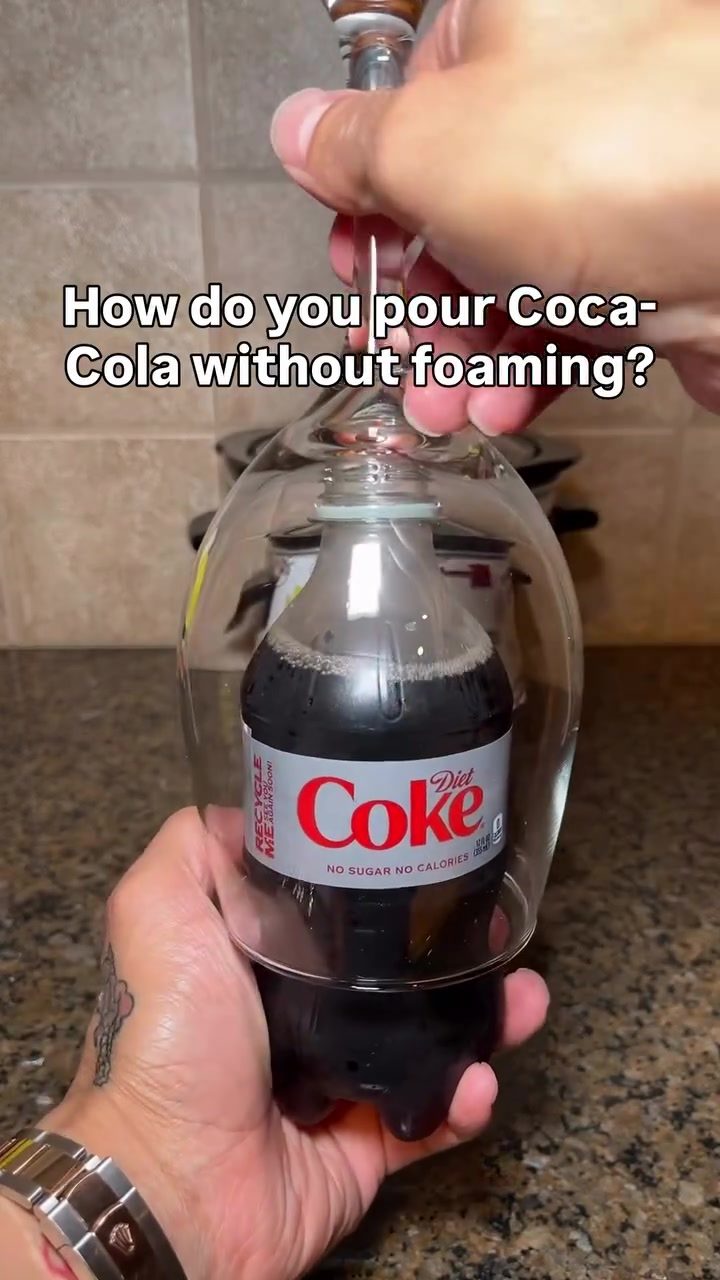
Avoiding Foam When Pouring Diet Coke: A Simple Guide
Introduction
Pouring a cold, refreshing glass of Diet Coke can be a simple pleasure, but it's often ruined by an excess of foam. This annoying issue can lead to spills and reduce the overall enjoyment of your beverage. Fortunately, there are practical techniques to minimize foam when pouring Diet Coke. This guide will walk you through the process, ensuring you can enjoy your drink without the hassle of foam.
Why This Matters
Foam in carbonated beverages like Diet Coke is caused by the rapid release of carbon dioxide. This can be exacerbated by poor pouring techniques, leading to a messy and frustrating experience. By mastering the right pouring method, you can avoid unnecessary spills, reduce waste, and ensure that you get the full volume of your drink. This is especially important for those who enjoy their Diet Coke chilled, as the cold temperature can increase the likelihood of foam.
Main Discussion
Understanding the Science Behind Foam
Foam in carbonated beverages is primarily caused by the escape of carbon dioxide from the liquid. When you pour a cold Diet Coke, the sudden change in pressure can cause the carbon dioxide to rapidly escape, creating bubbles that rise to the surface and form foam. Several factors contribute to this process, including the temperature of the beverage, the design of the bottle, and the pouring technique used.
The Role of Temperature
Cold beverages, like Diet Coke served directly from the refrigerator, are more prone to foaming. The lower temperature increases the solubility of carbon dioxide in the liquid, but the sudden change in pressure during pouring can cause it to escape rapidly, forming foam. Allowing your Diet Coke to warm slightly before pouring can help reduce this effect.
Bottle Design and Pressure
The design of the Diet Coke bottle also plays a role in foam formation. Narrow-necked bottles tend to create less foam because they release the liquid more slowly and consistently. In contrast, wider openings can lead to a more rapid release of liquid, increasing the likelihood of foaming. Additionally, the pressure within the bottle can affect the amount of foam produced. Shaking the bottle or handling it roughly can increase the pressure, leading to more foam when the bottle is opened.
Techniques for Pouring Diet Coke
Pouring Diet Coke without creating excessive foam involves a combination of proper technique and patience. Here are some steps you can follow to minimize foam and enjoy a smooth, bubbly-free experience.
Slow and Steady Pouring
One of the most effective ways to reduce foam is to pour the Diet Coke slowly. Holding the bottle at a 45-degree angle and pouring the liquid steadily over the side of the glass can help minimize the turbulence that leads to foam formation. This technique allows the liquid to flow smoothly into the glass, reducing the amount of air that gets mixed in.
Using a Pouring Spout
Another useful tool for minimizing foam is a pouring spout. These small, inexpensive attachments can be placed on the bottle, and they help control the flow of the liquid. Pouring spouts direct the liquid into the glass, reducing the turbulence and air that contribute to foam. They are particularly useful for those who find it difficult to pour slowly or consistently.
Allowing the Liquid to Settle
After pouring, allow the liquid to settle before adding any ice or mixing in additional ingredients. This gives the carbon dioxide time to stabilize, reducing the likelihood of further foam formation. By giving the drink a few moments to settle, you can enjoy a smoother, less foamy beverage.
Additional Tips for Minimizing Foam
In addition to the techniques mentioned above, there are a few more tips that can help you pour Diet Coke without excessive foam.
Avoid Shaking the Bottle
Shaking the bottle before pouring can increase the pressure inside, leading to more foam. To minimize this, handle the bottle gently and avoid shaking it.
Use a Cold, Clean Glass
Using a cold, clean glass can also help reduce foam. A cold glass helps to preserve the carbonation in the liquid, while a clean glass ensures that there are no impurities that could interfere with the pouring process. It’s best to rinse the glass with cold water before use to ensure it is both clean and chilled.
Practical Tips
Step-by-Step Guide to Pouring Diet Coke
- Prepare Your Glass: Rinse a clean glass with cold water to ensure it is clean and chilled.
- Open the Bottle Gently: Remove the cap from the Diet Coke bottle without shaking it.
- Hold the Bottle at a 45-Degree Angle: Position the bottle over the glass so that the liquid flows down the side of the glass rather than straight into the bottom.
- Pour Slowly: Pour the liquid steadily and slowly, allowing it to flow smoothly into the glass.
- Allow to Settle: After pouring, allow the liquid to settle for a moment before adding ice or other ingredients.
Using a Pouring Spout
If you find that pouring slowly is challenging, consider using a pouring spout. These devices can be attached to the bottle and help control the flow of the liquid, reducing the likelihood of foam. Simply attach the spout to the bottle, position it over the glass, and pour at a moderate pace.
Important Takeaways
- Temperature Matters: Allowing your Diet Coke to warm slightly before pouring can reduce foaming.
- Pouring Technique: Pouring slowly and at a 45-degree angle can help minimize foam.
- Use a Pouring Spout: These devices can help control the flow of the liquid, reducing turbulence and foam.
- Avoid Shaking: Gentle handling of the bottle can prevent excess foam.
- Clean, Cold Glass: Using a cold, clean glass can help maintain the carbonation and reduce foam.
Conclusion
Pouring a glass of Diet Coke without excessive foam is a simple yet effective way to enhance your drinking experience. By understanding the science behind foam formation and employing the right techniques, you can enjoy a smooth, foamy-free beverage. Whether you opt for a slow and steady pour, use a pouring spout, or simply handle the bottle with care, these methods will help you achieve the best results. So next time you reach for a cold Diet Coke, remember these tips and enjoy your drink to the fullest.
Watch the Reel
Questions readers ask
Why does Diet Coke foam up when I pour it?
Diet Coke foams up due to the rapid release of carbon dioxide, which is exacerbated by poor pouring techniques. Understanding and applying the right pouring method can help minimize this issue.
What is the best way to pour Diet Coke without foam?
To pour Diet Coke without foam, tilt the glass at a 45-degree angle and pour the liquid down the side of the glass. This helps to reduce the surface area that the liquid impacts, minimizing the release of carbon dioxide.
Should I use a specific type of glass for pouring Diet Coke?
Using a cold, narrow glass can help reduce foam. The cold temperature helps maintain the carbonation, while the narrow opening allows for a more controlled pour.
Can opening the Diet Coke bottle or can properly affect the amount of foam?
Yes, opening the bottle or can slowly and letting some of the pressure release gently can help reduce foam. Avoid shaking the bottle or can before opening, as this can increase the carbonation and lead to more foam.
What common mistakes should I avoid when pouring Diet Coke?
Common mistakes include pouring too quickly, not tilting the glass, and not allowing the carbonation to settle. Pouring Diet Coke at a 45-degree angle and at a slower pace will help minimize foam.
Are there any additional tips to enhance the pouring experience?
To enhance the pouring experience, ensure your glass is clean and dry. Moisture or residue can cause the liquid to foam more. Additionally, letting the Diet Coke sit for a moment after opening can help the carbonation settle.
Related deep dives
Similar reads based on topic and creator.


Recent articles
Fresh deep dives from the latest Reels we unpacked.




Comments
Be the first to comment.