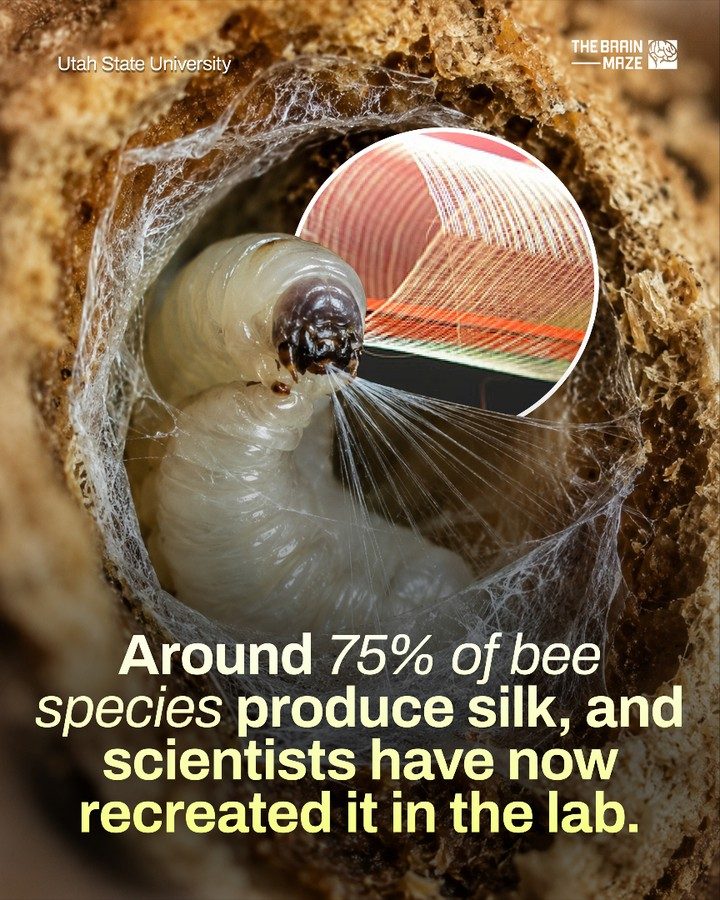
Bee Silk: A Remarkable Material with Promising Applications
Bee silk, produced by around 75% of all bee species, is a fascinating and multifunctional material that has garnered significant attention in recent years. Solitary bees, in particular, spin incredibly strong silk cocoons to protect their developing larvae from predators, parasites, and harsh environmental conditions. This silk is not only strong but also lightweight, flexible, breathable, antimicrobial, and highly puncture-resistant, making it a promising biodegradable material for future medical devices, textiles, and sustainable technologies.
Why This Matters
The unique properties of bee silk offer numerous advantages over traditional materials. Its biodegradability aligns with growing sustainability goals, and its antimicrobial properties make it ideal for medical applications. Additionally, the lightweight and puncture-resistant nature of bee silk opens up new possibilities in the textile industry.
Exploring Bee Silk
The Science Behind Bee Silk
Bee silk is produced by a variety of bee species, predominantly solitary bees. These bees create silk cocoons to protect their larvae, ensuring they develop safely. The silk is spun from specialized glands and is incredibly strong, flexible, and lightweight. This combination of properties makes it a material of interest for various applications.
Unique Properties of Bee Silk
Strength and Flexibility
One of the most notable features of bee silk is its remarkable strength. Despite being lightweight, it is highly resistant to tearing and puncturing. This durability is essential for protecting delicate larvae from environmental threats and predators. For humans, this property translates to potential uses in protective gear and durable textiles.
Antimicrobial and Breathable
Bee silk also possesses antimicrobial properties, which can inhibit the growth of bacteria and fungi. This makes it an excellent candidate for medical devices and wound dressings. Its breathable nature further enhances its usability in medical applications, as it allows for proper ventilation and prevents the buildup of moisture.
Applications of Bee Silk
Medical Devices
The antimicrobial and breathable properties of bee silk make it ideal for medical applications. Researchers are exploring its use in wound dressings, sutures, and other medical devices. The biodegradable nature of bee silk means it can be safely absorbed by the body, reducing the risk of infection and complications.
Textiles
In the textile industry, bee silk's strength, flexibility, and lightweight nature make it a promising material for various applications. It can be used to create durable and comfortable clothing, as well as protective gear. Its biodegradability aligns with growing sustainability goals, making it an eco-friendly alternative to traditional materials.
Sustainable Technologies
The environmental benefits of bee silk extend beyond textiles and medical devices. Its biodegradability and renewable nature make it suitable for a variety of sustainable technologies. For example, it can be used in packaging materials, reducing the environmental impact of single-use plastics.
Practical Tips for Bee Silk
Supporting Research and Development
As interest in bee silk grows, supporting research and development in this area is crucial. Collaborations between scientists, engineers, and textile manufacturers can help unlock the full potential of bee silk and bring it to market.
Encouraging Sustainable Practices
To ensure the sustainability of bee silk production, it is essential to promote responsible beekeeping practices. This includes protecting bee habitats, supporting biodiversity, and minimizing the use of harmful chemicals. By doing so, we can ensure that bee silk remains a sustainable and ethical material.
Important Takeaways
Bee silk is a remarkable material with a wide range of applications. Its unique properties, including strength, flexibility, antimicrobial capabilities, and biodegradability, make it ideal for medical devices, textiles, and sustainable technologies. By supporting research and development and promoting sustainable practices, we can harness the full potential of bee silk and contribute to a more sustainable future.
Conclusion
Understanding the importance of bee silk and its potential applications is the first step towards leveraging this fascinating material. Whether in medical devices, textiles, or sustainable technologies, bee silk offers a range of benefits that align with modern needs. By continuing to explore and innovate with bee silk, we can create a more sustainable and resilient future.
Watch the Reel
Recent articles
Fresh deep dives from the latest Reels we unpacked.




Comments
Be the first to comment.