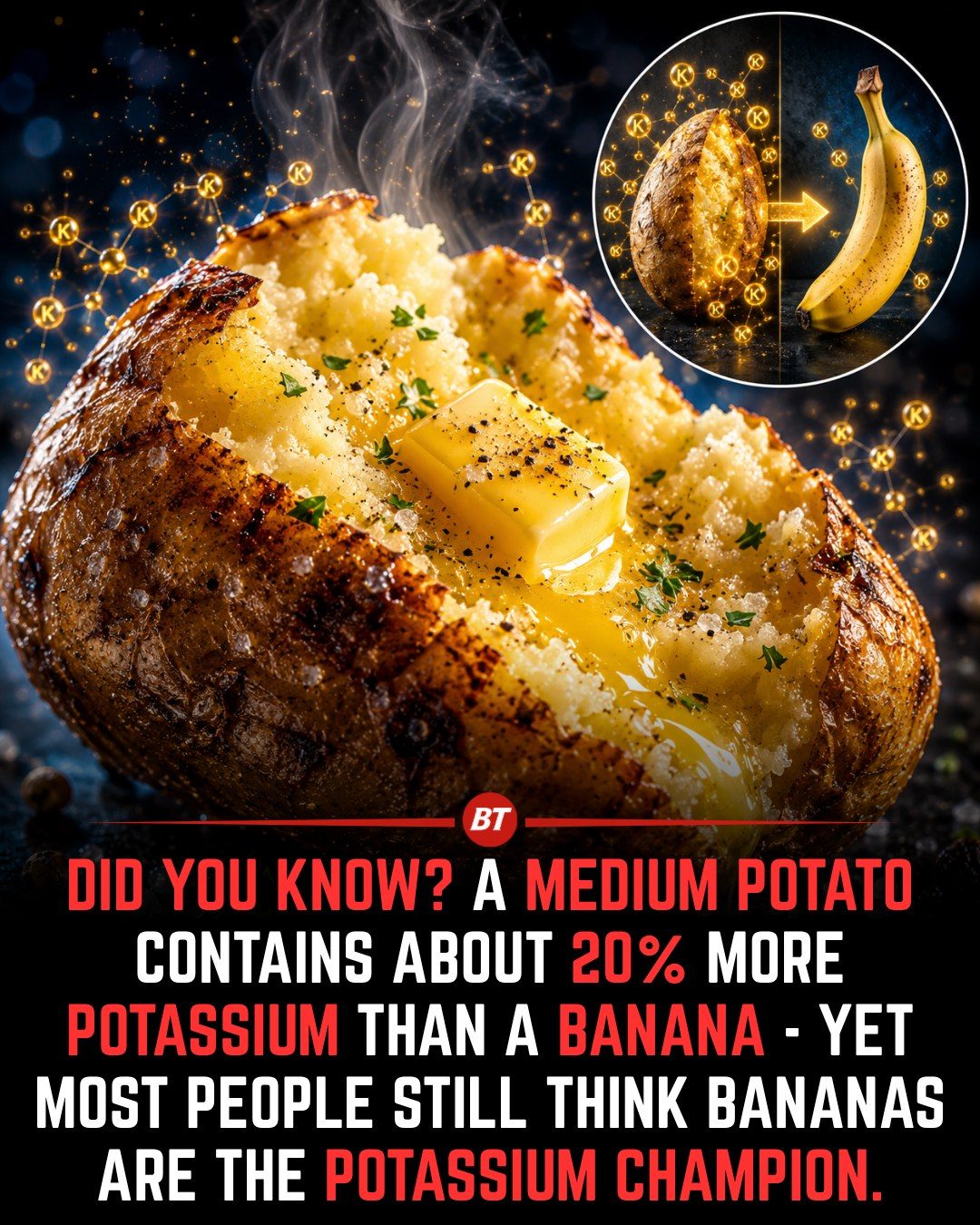
Potato vs. Banana: The Surprising Truth About Potassium
Potatoes are often thought of as a simple, starchy side dish. But did you know that they are actually one of the richest everyday sources of potassium? This essential mineral plays a crucial role in maintaining good health, and yet many people overlook the potato's nutritional benefits, often associating potassium with bananas instead.
Why This Matters
Potassium is vital for various bodily functions, including regulating blood pressure, muscle contractions, nerve signaling, and fluid balance. It works in tandem with sodium to support a healthy heartbeat. Despite its importance, many adults do not consume enough potassium daily. This makes potassium-rich foods particularly valuable.
The Potassium Showdown
Potatoes: The Unlikely Champion
A medium potato with the skin provides roughly 900 milligrams of potassium, whereas a medium banana offers about 420 milligrams. This makes potatoes one of the top dietary sources of potassium, according to the U.S. Department of Agriculture's nutrient databases. The skin of the potato contributes additional fiber and nutrients, making it a more wholesome choice when eaten with the skin.
The Nutritional Powerhouse
Potatoes are more than just a source of carbohydrates. They are also naturally rich in vitamin C, vitamin B6, and fiber. This combination makes them a versatile and nutritious addition to any meal. The key is to prepare them in a way that preserves these nutrients. For example, baking or roasting potatoes with the skin on can help retain their fiber and additional nutrients.
The Importance of Potassium
Potassium is essential for maintaining overall health, particularly for regulating blood pressure and supporting cardiovascular health. Research published in the Journal of the American College of Nutrition highlights that increasing dietary potassium while keeping sodium in check can help support healthy blood pressure levels. The focus should be on replacing highly processed foods with naturally potassium-rich whole foods like potatoes, beans, leafy greens, yogurt, and fruits.
Practical Tips
Preparing Potatoes for Maximum Nutrition
- Leave the Skin On: When baking or roasting potatoes, leaving the skin on ensures you get the added fiber and nutrients.
- Healthy Toppings: Pair your potato with lean protein and vegetables for a balanced meal. Avoid excessive butter, sour cream, or salty toppings, which can add unwanted calories and sodium.
- Variety in Cooking Methods: Experiment with different cooking methods like boiling, steaming, or grilling to keep your meals interesting and healthy.
Incorporating Potatoes into Your Diet
Potatoes can be a versatile addition to many meals. Here are a few ideas:
- Breakfast: Try a potato hash with lean proteins like turkey bacon or eggs for a hearty breakfast.
- Lunch: Opt for a potato salad with a variety of vegetables and a light vinaigrette.
- Dinner: Serve baked or roasted potatoes as a side dish with grilled chicken or fish.
- Snacks: Enjoy baked potato chips as a healthier alternative to traditional potato chips.
Balanced Meals with Potatoes
Potatoes can be the star of a balanced meal when paired with the right ingredients. For example, a baked potato topped with Greek yogurt, chives, and a side of steamed vegetables can be both delicious and nutritious. The combination of potassium, protein, and fiber makes for a satisfying and healthy meal.
The Role of Potassium in Health
Potassium is not just about blood pressure regulation; it also plays a crucial role in muscle and nerve function. Adequate potassium intake can help prevent muscle cramps, support nerve function, and even enhance athletic performance. For those who are physically active, ensuring sufficient potassium intake is especially important to avoid muscle fatigue and cramps.
Important Takeaways
-
Potatoes vs. Bananas: Contrary to popular belief, potatoes contain about 20% more potassium than bananas, making them a richer source of this essential mineral.
-
Nutritional Benefits: Potatoes are not just starchy carbohydrates; they are also a good source of vitamin C, vitamin B6, and fiber, especially when eaten with the skin.
-
Healthy Preparation: To maximize the nutritional benefits, prepare potatoes with the skin on and pair them with lean proteins and vegetables.
-
Dietary Importance: Incorporating potassium-rich foods like potatoes into your diet can support overall health, particularly blood pressure and cardiovascular health.
Conclusion
Potatoes are a versatile and nutritious food that often goes underrated. With their high potassium content, vitamins, and fiber, they are a valuable addition to any diet. By preparing potatoes in healthy ways and pairing them with nutritious ingredients, you can enjoy their benefits while creating delicious and satisfying meals. So, the next time you reach for a snack, consider the humble potato—a powerhouse of nutrition that deserves a place at your table.
Watch the Reel
Questions readers ask
Are potatoes really higher in potassium than bananas?
Yes, potatoes, especially when consumed with their skin, contain more potassium than bananas. A medium potato with skin provides about 926 milligrams of potassium, while a medium banana offers around 422 milligrams.
How does potassium in potatoes support heart health?
Potassium plays a pivotal role in maintaining heart health by regulating blood pressure and supporting proper heart function. It helps counteract the effects of sodium, promoting a healthy heartbeat and overall cardiovascular health.
What are some other health benefits of the potassium in potatoes?
Potassium in potatoes aids in muscle contractions, nerve signaling, and fluid balance. It also supports bone health and may help reduce the risk of kidney stones.
Can eating potatoes help with a high blood pressure?
Including potatoes in your diet can be beneficial for managing high blood pressure due to their high potassium content. Potassium helps to balance sodium levels, which is crucial for maintaining healthy blood pressure.
Are there other high-potassium foods besides potatoes and bananas?
Yes, other high-potassium foods include sweet potatoes, spinach, beets, and avocados. Incorporating a variety of these foods into your diet can ensure you meet your daily potassium requirements.
How does cooking potatoes affect their potassium content?
Cooking methods like boiling or baking potatoes with the skin on can help retain their potassium content. However, peeling potatoes or cooking them in excess water can lead to some potassium loss.
Why are potatoes sometimes overlooked as a healthy food?
Potatoes are often overlooked due to their high starch content, which can lead to misconceptions about their nutritional value. In reality, potatoes offer a range of health benefits, especially when consumed with their skin.
Related deep dives
Similar reads based on topic and creator.




Recent articles
Fresh deep dives from the latest Reels we unpacked.




Comments
Be the first to comment.