The Role and Benefits of Key Micronutrients
Micronutrients are essential for maintaining overall health and optimizing physical performance. These nutrients, including potassium, magnesium, calcium, vitamin C, and iron, play crucial roles in various bodily functions. While many people focus on calories and protein, the importance of these micronutrients is often overlooked.
Why Micronutrients Matter
Micronutrients are vital for a wide range of bodily functions, including energy production, muscle recovery, and immune support. Unlike macronutrients, which provide energy, micronutrients do not contribute to calorie intake but are essential for the body to function correctly. Consistently incorporating these nutrients into your diet supports optimal health and performance.
Potassium
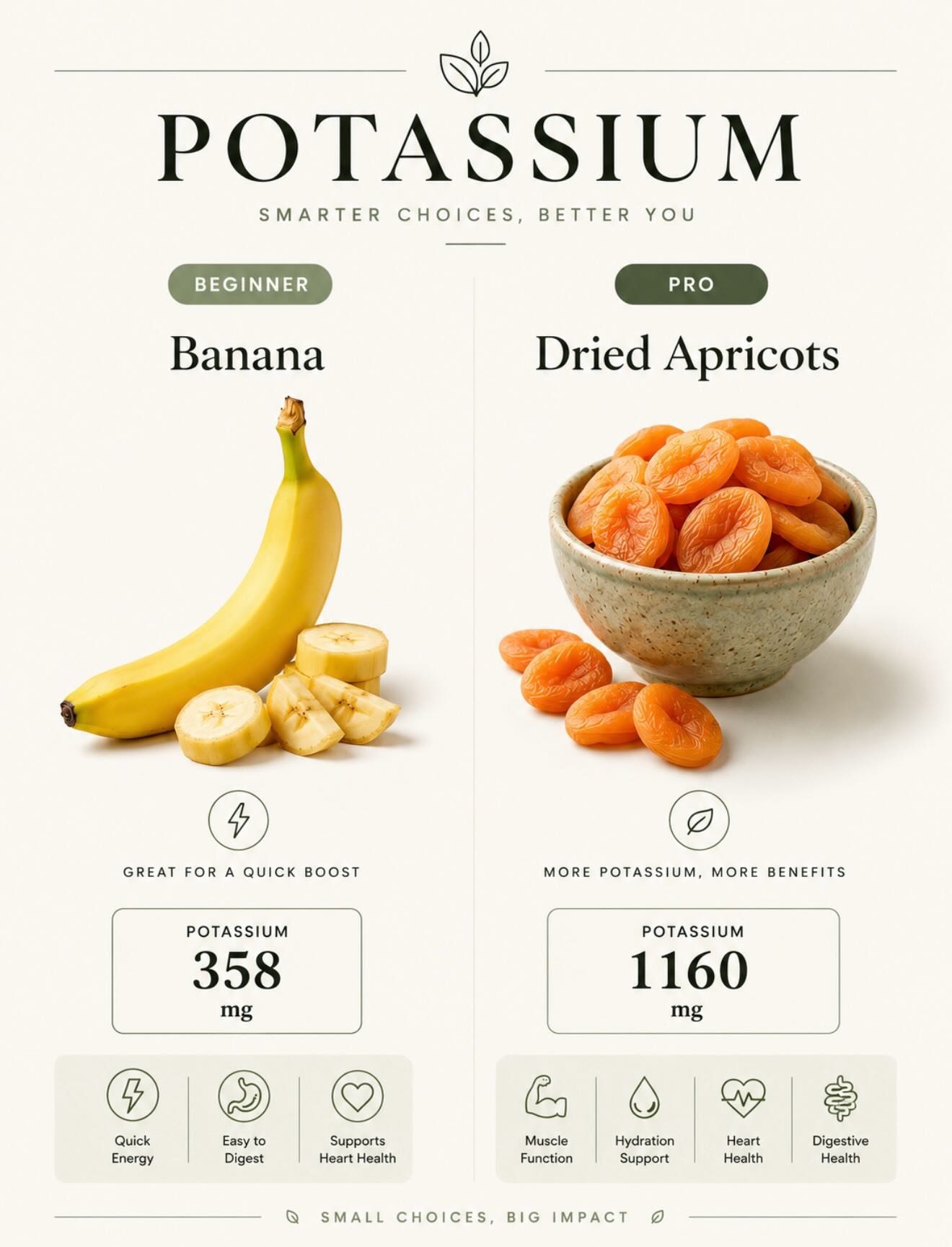
Potassium is a critical mineral that supports muscle contractions, hydration, and heart health. Foods rich in potassium, such as bananas and dried apricots, can significantly enhance physical performance. Bananas contain approximately 358mg of potassium, while dried apricots offer around 1160mg. Incorporating these foods into your diet can provide a quick energy boost, aid in digestion, and support overall heart health.
Magnesium
Magnesium is essential for muscle function, heart health, and sleep quality. Foods like bananas and pumpkin seeds are excellent sources of magnesium. Bananas contain about 27mg of magnesium, while pumpkin seeds provide around 500mg. Magnesium supports muscle recovery, nerve health, and better sleep, making it a vital nutrient for athletes and those looking to improve their overall well-being.
Calcium
Calcium is crucial for strong bones, muscle function, and long-term health. Milk and ragi are common sources of calcium, with milk containing approximately 120mg and ragi offering around 344mg. Calcium supports bone health, muscle function, and overall nutrient absorption, making it an essential nutrient for maintaining a healthy lifestyle.
Practical Tips for Incorporating Micronutrients
Incorporating micronutrients into your daily diet doesn't have to be complicated. Here are some practical tips to help you get the most out of your meals:
Beginner Food Choices
Beginner foods are easy, accessible, and everyday options that provide essential nutrients. Examples include:
- Bananas: Rich in potassium and magnesium, bananas are a great source of quick energy and support muscle function.
- Oranges: High in vitamin C, oranges boost immunity and aid in collagen production.
- Milk: A good source of calcium, milk supports bone health and muscle function.
Pro Food Choices
Pro foods are nutrient-dense choices that offer even more benefits. Examples include:
- Dried Apricots: High in potassium, dried apricots support heart health and provide a quick energy boost.
- Pumpkin Seeds: Rich in magnesium, pumpkin seeds support muscle recovery and better sleep.
- Ragi: A plant-based powerhouse, ragi is high in calcium and supports bone health and overall nutrient absorption.
Practical Tips
Swap Fresh for Dried
Occasionally swap fresh fruit for dried fruit. Dried fruits like apricots and raisins are packed with more concentrated nutrients, providing a quick and convenient way to boost your micronutrient intake.
Add Seeds to Meals
Incorporate pumpkin or sesame seeds into your yogurt, oats, or salads. These seeds are rich in magnesium and other essential nutrients, making them a great addition to any meal.
Rotate Calcium and Iron Sources
Rotate different sources of calcium and iron throughout the week. For example, include foods like ragi, spinach, and almonds in your diet to ensure you get a variety of micronutrients and support overall health.
Consistency Over Perfection
Remember that consistency is key. You don’t need a "perfect" diet—you just need to make better choices consistently. Small upgrades over time can make a big difference in your overall health and performance.
Important Takeaways
- Potassium: Supports muscle contractions, hydration, and heart health.
- Magnesium: Essential for muscle recovery, sleep quality, and nerve health.
- Calcium: Crucial for strong bones, muscle function, and long-term health.
- Vitamin C: Boosts immunity, supports collagen production, and aids in recovery.
- Iron: Helps transport oxygen throughout the body and fights fatigue.
Conclusion
Incorporating micronutrients into your daily routine is essential for maintaining overall health and optimizing physical performance. By focusing on a variety of nutrient-dense foods and making consistent, small upgrades, you can significantly enhance your energy, recovery, and overall well-being.
Watch the Reel
Questions readers ask
What are the primary benefits of potassium for muscle function and heart health?
Potassium is crucial for muscle function as it helps regulate muscle contractions and nerve signals. It also plays a vital role in maintaining heart health by supporting proper heart rhythm and blood pressure control. Adequate potassium intake can help prevent muscle cramps and fatigue, and can contribute to improved overall energy levels.
How does magnesium support sleep and overall health?
Magnesium is essential for promoting relaxation and sleep. It helps to regulate neurotransmitters, which send signals throughout the nervous system and brain. This mineral also supports bone health, blood sugar control, and blood pressure regulation. Adequate magnesium intake can help reduce stress, improve sleep quality, and enhance overall well-being.
What are the key benefits of calcium for muscle recovery and bone health?
Calcium is well-known for its role in building and maintaining strong bones, but it also aids in muscle recovery. It helps muscles to contract and relax, which is essential for muscle function and repair. Adequate calcium intake can help prevent muscle cramps and spasms, and supports overall bone health, reducing the risk of osteoporosis and fractures.
Which foods are the best sources of potassium?
Foods high in potassium include fruits like bananas, oranges, and avocados, as well as vegetables such as spinach, sweet potatoes, and mushrooms. Other good sources include dairy products like milk and yogurt, and legumes like lentils and beans. Incorporating these foods into your diet can help ensure you meet your daily potassium needs.
What are some top foods rich in magnesium?
Magnesium-rich foods include leafy green vegetables like spinach and kale, nuts and seeds such as almonds and pumpkin seeds, and whole grains like brown rice and quinoa. Other good sources include dark chocolate, fatty fish, and legumes. Regularly consuming these foods can support your magnesium intake and overall health.
How do potassium and magnesium work together for overall health?
Potassium and magnesium are essential for maintaining proper heart function, muscle and nerve function, and fluid balance. They work synergistically to support heart health, blood pressure regulation, and energy production. Potassium helps to counteract the effects of sodium, while magnesium is involved in more than 300 biochemical reactions in the body. Ensuring a balanced intake of both minerals can support overall health and well-being.
What are some of the best calcium-rich foods to include in my diet?
Calcium-rich foods include dairy products such as milk, cheese, and yogurt, as well as leafy green vegetables like kale and collard greens. Other good sources include fortified plant-based milks, tofu, and fish with edible bones like sardines and canned salmon. Incorporating these foods into your diet can help support bone health and muscle function.
Recent articles
Fresh deep dives from the latest Reels we unpacked.




Comments
Be the first to comment.