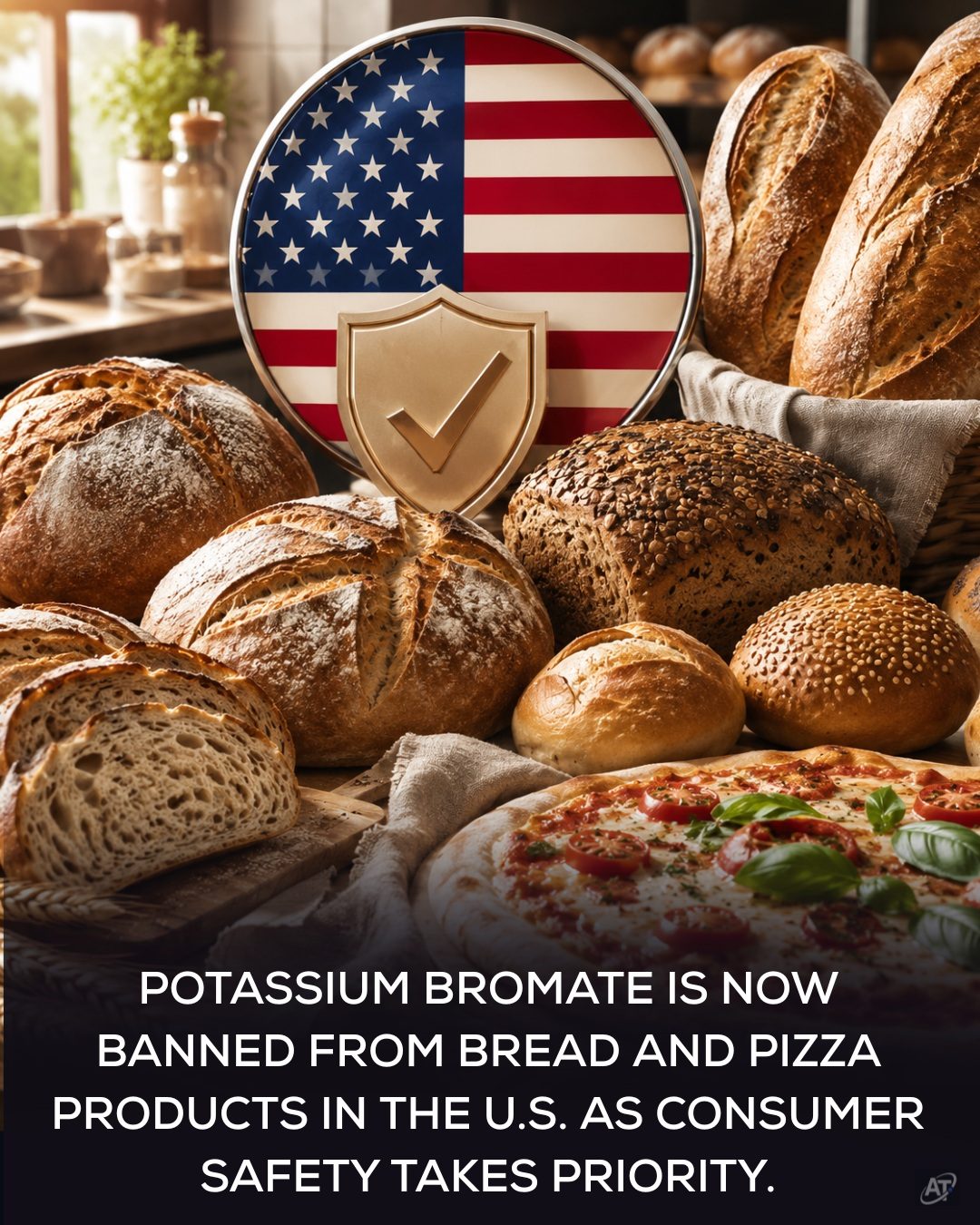
Potassium Bromate in Bread and Pizza: What You Need to Know
As of July 30, 2026, there has been significant confusion regarding the ban on potassium bromate in bread and pizza dough. While there is a sense that the ingredient has been banned nationwide, the reality is more nuanced. The United States Food and Drug Administration (FDA) has not federally banned potassium bromate from all baked goods. Instead, the FDA continues to review the ingredient and study its usage in American baked products. This review includes examining how widely potassium bromate is used and whether measurable bromate residue remains in these products.
Context / Why this matters
Understanding the current regulatory status of potassium bromate is essential for consumers who are concerned about their diet and health. It allows for informed decision-making and a clear picture of what steps are being taken to ensure food safety. Moreover, it highlights the evolving nature of food safety regulations and the importance of staying informed.
The Role of Potassium Bromate
Potassium bromate is an oxidizing agent commonly used in the baking industry. Its primary function is to strengthen dough, improve the volume, and enhance the texture of bread and other baked goods. When used correctly, potassium bromate is intended to convert into potassium bromide during the baking process. This conversion is crucial for minimizing any potential health risks associated with bromate.
The Health Concern
The primary health concern surrounding potassium bromate is its potential carcinogenicity. The International Agency for Research on Cancer (IARC) classifies potassium bromate as possibly carcinogenic to humans. This classification is based largely on sufficient evidence of cancer in experimental animals, not proof that ordinary consumption causes cancer in people. The FDA has been working with the baking industry to improve testing methods and reduce residual levels of bromate in baked goods, which indicates a proactive approach to addressing this concern.
Main discussion
Current Regulatory Status
The FDA's ongoing review of potassium bromate means that the ingredient remains in use, but under heightened scrutiny. The agency is focusing on how widely it is used and the residual levels of bromate in baked products. This ongoing review indicates that while the ingredient is not outright banned nationwide, there is a concerted effort to ensure its safe use.
State-Level Regulations
One significant development in this regulatory landscape is the state-level ban on potassium bromate. California passed a law prohibiting foods containing potassium bromate, which will take effect on January 1, 2027. This state-level ban may encourage national manufacturers to reformulate their products to exclude potassium bromate, even if a federal ban has not been imposed. This action highlights the influence of state regulations on national food safety standards and practices.
Practical tips
Checking Ingredient Labels
For consumers who wish to avoid potassium bromate in their diet, the most practical step is to check ingredient labels. Look for "potassium bromate" or "bromated flour" on the packaging of bread, pizza dough, and other baked goods. Many manufacturers already produce products without this ingredient, providing a reliable alternative.
Supporting Local and Independent Bakers
Another practical step is to support local and independent bakers who often use more natural and traditional ingredients. These bakers are more likely to avoid additives like potassium bromate, offering a safer and often more flavorful alternative to mass-produced baked goods.
Important takeaways
There are several key takeaways from the ongoing conversation about potassium bromate in bread and pizza:
- No Federal Ban: As of July 30, 2026, the United States has not federally banned potassium bromate from all baked goods. The FDA continues to review the ingredient and monitor its usage.
- State-Level Action: California has taken a proactive stance by implementing a state-level ban on potassium bromate, which may influence national manufacturing practices.
- Health Concerns: While the health concerns surrounding potassium bromate are legitimate, it is important to note that the classification is based on animal studies, not definitive evidence in humans.
- Label Checking: Consumers can avoid potassium bromate by checking ingredient labels for "potassium bromate" or "bromated flour."
Conclusion
The regulatory status of potassium bromate in bread and pizza products is an evolving topic with important implications for consumer health and safety. While the FDA continues its review, and California leads with a state-level ban, consumers can take practical steps to avoid this ingredient by checking labels and supporting local bakers. This ongoing dialogue underscores the importance of staying informed about food safety regulations and making conscious choices about the products we consume.
Watch the Reel
Questions readers ask
Is potassium bromate banned in the US for use in bread and pizza dough?
No, potassium bromate is not federally banned in the US for use in bread and pizza dough. The FDA is currently reviewing its use and studying its presence in baked goods, but as of now, it remains allowable.
Why is there confusion about potassium bromate's regulatory status?
The confusion arises because while some consumers believe it is banned, the FDA has not imposed a federal ban. Instead, the agency is actively reviewing the ingredient's usage and safety and has not completed its investigation by 2026.
How can I find out if a baked goods product contains potassium bromate?
Consumers concerned about potassium bromate can check product labels for its presence, or contact the manufacturer directly. Additionally, some states have implemented their own bans, so being aware of local regulations can also be helpful.
What risks are associated with consuming potassium bromate?
Potassium bromate has been linked to health concerns, including an increased cancer risk, which is why many consumers are interested in avoiding it. The FDA's ongoing review aims to assess these potential risks more thoroughly.
Are there any alternatives to potassium bromate in bread and pizza dough?
Yes, many manufacturers use alternative dough additives, such as ascorbic acid or other oxidizing agents, which can achieve similar effects without the potential health concerns associated with potassium bromate.
How does the FDA's review process work?
The FDA's review involves assessing the current usage of potassium bromate in baked goods, examining residue levels in products, and evaluating potential health risks. The process includes gathering data and conducting studies to inform their regulatory decisions.
Related deep dives
Similar reads based on topic and creator.

Recent articles
Fresh deep dives from the latest Reels we unpacked.




Comments
Be the first to comment.