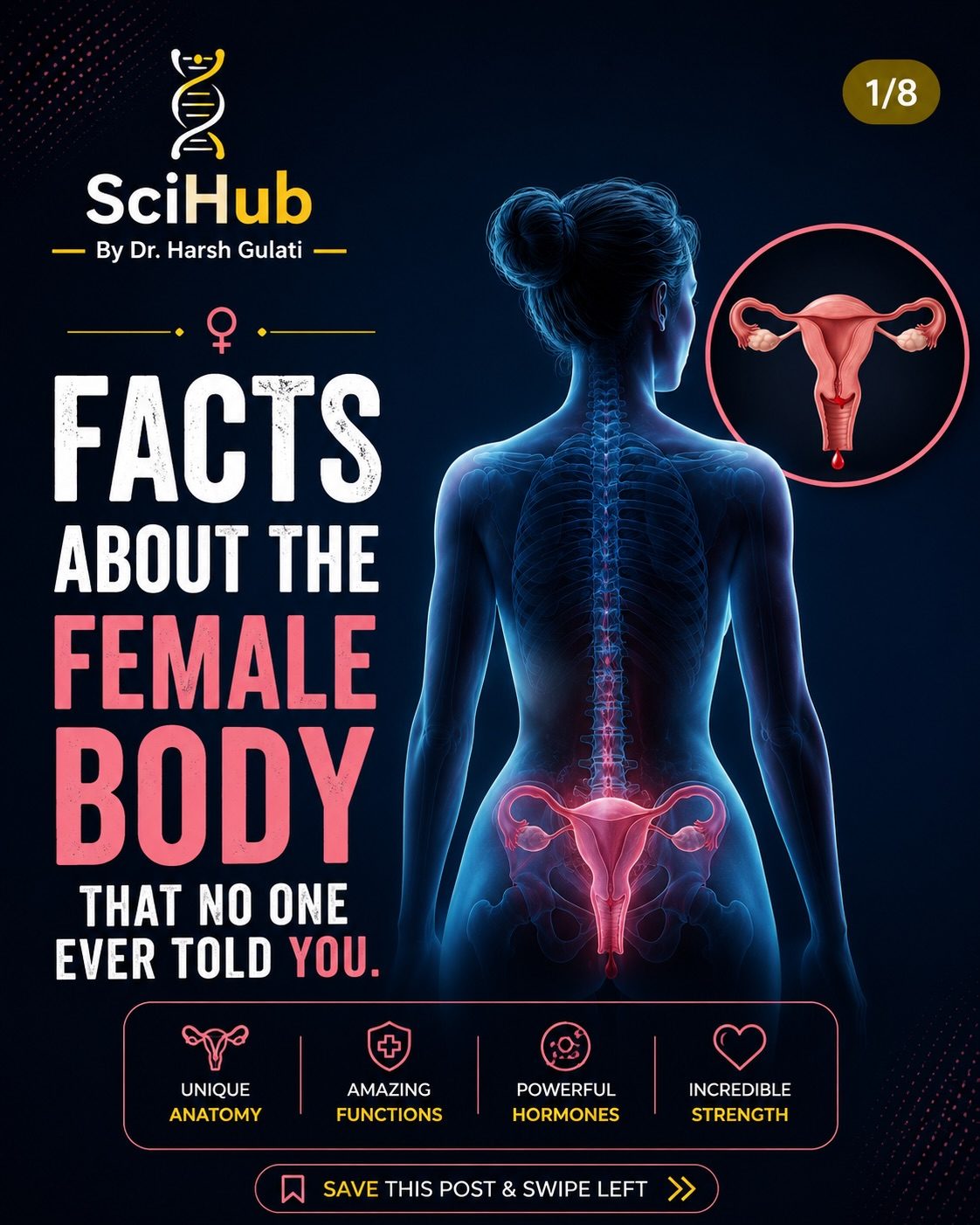
Postpartum Recovery: Understanding the Journey
Postpartum recovery is a complex and often misunderstood aspect of motherhood. Many new mothers may believe that their bodies fully recover shortly after childbirth, but the reality is far more nuanced. This journey can take months or even years, encompassing various physical and emotional changes. Understanding these processes can help new mothers better navigate this crucial period.
Why This Matters
Postpartum recovery is not just about physical healing; it involves a range of physiological and emotional adjustments. The process can be influenced by factors such as hormonal changes, muscle strength, and the overall stress of adapting to new responsibilities. Recognizing the multifaceted nature of postpartum recovery can help set realistic expectations and promote better self-care.
Main Discussion
Physiological Changes
Postpartum recovery involves numerous physiological changes that can take a considerable amount of time to stabilize. Some of these changes include:
- Uterine and pelvic floor recovery: Immediately after childbirth, the uterus begins to shrink back to its pre-pregnancy size, a process that can take several weeks. The pelvic floor, which supports the pelvic organs, also needs time to recover from the strain of childbirth.
- Hormonal rebalancing: Pregnancy and childbirth cause significant hormonal fluctuations. Hormones such as estrogen and progesterone, which rise during pregnancy, drop dramatically after delivery. This shift can lead to various symptoms, including mood swings, fatigue, and changes in hair growth.
- Muscle and core strength restoration: Pregnancy and childbirth can weaken the abdominal muscles and core. Restoring strength in these areas is essential for supporting the back and preventing injuries.
- Sleep and emotional adjustment: New mothers often struggle with sleep deprivation and emotional stress. The demands of caring for a newborn can be overwhelming, leading to feelings of exhaustion and anxiety.
Postpartum Hair Loss
One of the less discussed aspects of postpartum recovery is the impact on hair. Many women experience increased hair growth during pregnancy due to hormonal shifts that keep the hair in the growth phase for longer. However, after childbirth, the drop in estrogen levels can cause temporary postpartum hair loss. This condition, known as telogen effluvium, typically resolves within a few months as hormonal levels stabilize.
Muscle and Endurance
Women often have less muscle mass compared to men, but they exhibit greater endurance and fatigue resistance during long-duration exercises. This is attributed to hormonal factors, efficient energy utilization, and muscle fiber composition. Understanding these differences can help women optimize their exercise routines during postpartum recovery.
Practical Tips
Self-Care Strategies
Self-care is crucial during the postpartum period. Here are some practical tips to support recovery:
- Prioritize rest: Aim for as much sleep as possible, even if it means napping during the day. Sleep is essential for physical and emotional recovery.
- Stay hydrated: Drink plenty of water to support your body's healing processes.
- Eat a balanced diet: Consume nutrient-rich foods to help your body recover and produce milk if you are breastfeeding.
- Gentle exercise: Engage in low-impact exercises like walking, swimming, or yoga to gradually regain strength and flexibility.
- Seek support: Don't hesitate to ask for help from family, friends, or professional services. Support groups and counseling can also be beneficial.
Managing Hormonal Changes
To manage hormonal fluctuations and their effects on hair and mood:
- Nutritional supplements: Consult your healthcare provider about taking supplements like biotin or iron, which can support hair health and overall well-being.
- Mindfulness and relaxation: Practices such as meditation, deep breathing, and gentle yoga can help manage stress and emotional fluctuations.
Pelvic Floor and Core Strength
To restore pelvic floor and core strength:
- Pelvic floor exercises: Incorporate Kegel exercises into your daily routine to strengthen the pelvic floor muscles.
- Core-strengthening exercises: Gradually introduce exercises like planks, bridging, and modified crunches to rebuild your core strength.
Postpartum Hair Care
To manage postpartum hair loss:
- Gentle hair care: Use gentle shampoos and conditioners to avoid further damage. Avoid heat styling and chemical treatments during this period.
- Scalp massages: Massaging the scalp can stimulate blood flow and promote hair growth.
- Patience: Remember that hair loss is temporary and should resolve within a few months.
Important Takeaways
Postpartum recovery is a highly individual process that can take months to years. Understanding the various physiological and emotional changes can help new mothers navigate this period more effectively. Practical self-care strategies, along with awareness of common issues like postpartum hair loss and muscle strength restoration, can support a smoother recovery journey.
Conclusion
Postpartum recovery is a multifaceted journey that involves significant physical and emotional adjustments. By understanding the various changes and implementing practical self-care strategies, new mothers can better support their recovery. Whether it's managing hormonal shifts, restoring muscle strength, or coping with hair loss, recognizing the unique aspects of postpartum recovery can help set realistic expectations and promote better self-care.
Watch the Reel
Questions readers ask
How long does the postpartum recovery process typically last?
The postpartum recovery process can vary greatly among individuals, but it often lasts for several months to a year or even longer. Physical recovery, such as healing from childbirth and regaining muscle strength, can take time, and emotional adjustments may also require extended periods.
What are some common postpartum hormonal changes?
Postpartum hormonal changes can be significant. Immediately after delivery, hormone levels, such as estrogen and progesterone, drop sharply. This can lead to mood swings, fatigue, and even postpartum depression. Additionally, hormone fluctuations can affect milk production and overall energy levels.
How can new mothers support their muscle recovery postpartum?
Supporting muscle recovery postpartum involves a combination of gentle exercises, adequate rest, and proper nutrition. Pelvic floor exercises, such as Kegels, can help restore muscle strength in the pelvic area. Gentle walks and gradually increasing endurance training can also aid in overall muscle recovery.
What are some effective postpartum self-care practices?
Self-care practices are crucial for postpartum recovery. This includes getting enough sleep, eating a balanced diet, and staying hydrated. Engaging in light exercises, such as walking or swimming, can also boost mood and energy levels. Seeking support from family, friends, or support groups can help manage the emotional and physical demands of new motherhood.
When can new mothers expect to return to exercise routines after a cesarean?
The timeline for returning to exercise routines after a cesarean can vary, but it is generally recommended to wait until the 6-week postpartum check-up. During this time, the incision site should be well-healed, and the body should have recovered sufficiently to engage in gentle exercises. Always consult with a healthcare provider before resuming any exercise routine.
What should new mothers know about postpartum emotional health?
Postpartum emotional health can be challenging, with many new mothers experiencing mood swings, anxiety, and even postpartum depression. It's important to monitor your emotional well-being and seek professional help if needed. Regular check-ins with a healthcare provider and maintaining a strong support network can be beneficial.
Is postpartum hair loss normal, and how can it be managed?
Postpartum hair loss is a common and normal occurrence, typically peaking around 3-4 months postpartum. This is due to hormonal changes that cause hair to enter a resting phase during pregnancy and then fall out in larger numbers after childbirth. Ensuring a balanced diet rich in vitamins and minerals can support hair health, and patience is key, as hair usually returns to its normal cycle within a year.
Related deep dives
Similar reads based on topic and creator.

Recent articles
Fresh deep dives from the latest Reels we unpacked.




Comments
Be the first to comment.