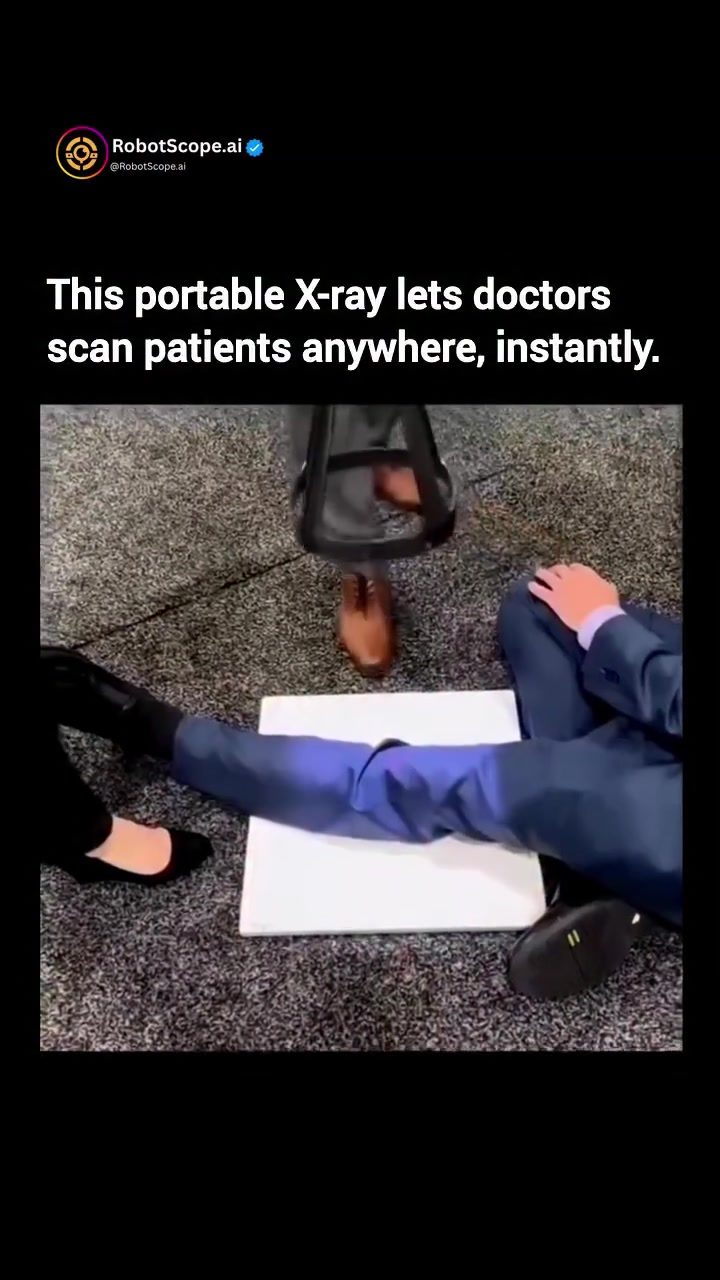
Portable X-ray Devices in Medical Imaging
Portable X-ray devices are revolutionizing medical diagnostics by bringing imaging capabilities directly to patients. Instead of relying solely on hospital imaging rooms, these compact devices enable clinicians to perform scans in various settings, including clinics, ambulances, disaster zones, and remote medical camps. This innovation is particularly crucial for patients who are unstable and cannot be moved easily. By providing real-time scans at the point of care, portable X-ray devices help speed up medical decisions, which can be life-saving in critical situations.
Why Portable X-ray Devices Matter
The ability to conduct X-ray imaging outside traditional hospital settings offers several key advantages. Firstly, it reduces the need to transport critically ill patients, which can be risky and time-consuming. Secondly, it accelerates the diagnostic process, allowing doctors to make quicker decisions and initiate appropriate treatments promptly. Moreover, portable X-ray devices enhance accessibility to imaging services, benefiting patients in rural or underserved areas where advanced medical facilities might be scarce.
Key Features and Benefits
Compact and Versatile Design
Portable X-ray devices, like the one developed by RobotScope.ai, are designed to be lightweight and easy to carry. This makes them ideal for use in a variety of settings, from urban clinics to remote disaster response scenarios. The compact size does not compromise on functionality; these devices are equipped with advanced imaging technology that delivers high-quality scans comparable to those obtained from traditional hospital-based X-ray machines.
Instant Scan Results
One of the standout features of portable X-ray devices is their ability to provide instant scan results. This real-time capability is invaluable in emergency situations where every second counts. Doctors can quickly assess the severity of injuries or conditions, such as fractures, pneumothorax, or foreign bodies, and initiate appropriate treatments without delay. The immediacy of the results also allows for more efficient patient management and resource allocation, particularly in high-pressure environments like disaster zones or military field hospitals.
Enhancing Access to Care
In many parts of the world, access to advanced medical imaging is limited due to geographical constraints or insufficient healthcare infrastructure. Portable X-ray devices bridge this gap by bringing diagnostic capabilities directly to patients in need. This is particularly beneficial in disaster response scenarios, where traditional imaging facilities might be damaged or overwhelmed. The ability to perform on-site diagnostics can significantly improve patient outcomes by facilitating timely interventions and reducing the need for prolonged transportation.
Practical Applications
In Clinics
In outpatient clinics, portable X-ray devices enable clinicians to perform immediate diagnostics without the need to refer patients to specialized imaging centers. This not only saves time but also reduces the inconvenience and potential risks associated with patient transfers. For example, a primary care physician can quickly assess a suspected fracture or pneumonia and initiate treatment on the spot, enhancing the quality of care and patient satisfaction.
In Ambulances
Equipping ambulances with portable X-ray devices can transform pre-hospital care. Paramedics and emergency medical technicians (EMTs) can perform initial diagnostic evaluations en route to the hospital, providing crucial information to the receiving medical team. This pre-hospital triage can help prioritize patient care, ensuring that those with the most urgent needs receive immediate attention upon arrival at the hospital.
In Disaster Zones
In disaster zones, where medical infrastructure might be compromised, portable X-ray devices are invaluable. They enable first responders to perform on-site diagnostics, assess the extent of injuries, and prioritize treatment accordingly. This can be life-saving in mass casualty incidents, where timely interventions are critical. The ability to quickly triage patients and provide appropriate care can significantly reduce morbidity and mortality rates in disaster settings.
In Remote Medical Camps
For medical missions in remote or underserved areas, portable X-ray devices offer a practical solution for providing diagnostic services. Whether in rural communities, refugee camps, or remote villages, these devices allow healthcare providers to offer comprehensive care, including imaging diagnostics, without relying on distant facilities. This enhances the overall healthcare delivery in underserved regions, improving health outcomes and community well-being.
Practical Tips for Using Portable X-ray Devices
Training and Maintenance
To maximize the benefits of portable X-ray devices, it is essential to provide adequate training to healthcare providers. Proper training ensures that clinicians can operate the devices efficiently and interpret the scan results accurately. Regular maintenance and calibration of the equipment are also crucial to ensure reliable performance and longevity. Manufacturers of portable X-ray devices often provide comprehensive training programs and maintenance support to help healthcare providers get the most out of their equipment.
Safety Precautions
While portable X-ray devices offer numerous advantages, it is important to follow safety protocols to protect both patients and healthcare providers. This includes adhering to radiation safety guidelines, using appropriate personal protective equipment, and ensuring proper disposal of any waste materials. Regular safety audits and compliance checks can help maintain a safe working environment and minimize the risks associated with radiation exposure.
Integration with Existing Systems
Integrating portable X-ray devices with existing healthcare systems can enhance their utility and efficiency. For example, linking the devices to electronic health records (EHR) systems can facilitate seamless transfer of diagnostic data, streamlining patient management and improving care coordination. Ensuring interoperability with other medical equipment and software can further enhance the overall effectiveness of portable X-ray devices in clinical settings.
Important Takeaways
Portable X-ray devices represent a significant advancement in medical diagnostics, offering numerous benefits in terms of accessibility, speed, and versatility. By enabling clinicians to perform on-site imaging, these devices can improve patient outcomes, especially in critical and resource-limited settings. The key to maximizing their potential lies in proper training, regular maintenance, and integration with existing healthcare systems. As technology continues to evolve, portable X-ray devices are poised to play an increasingly important role in modern medical practice, transforming the way diagnostics are performed and enhancing the quality of care for patients worldwide.
Conclusion
The advent of portable X-ray devices is a game-changer in the field of medical diagnostics. By bringing imaging capabilities to the point of care, these devices improve access to diagnostic services, accelerate treatment decisions, and enhance patient outcomes. Whether in clinics, ambulances, disaster zones, or remote medical camps, portable X-ray devices offer a versatile and practical solution for modern healthcare challenges. As we continue to innovate and adapt to evolving healthcare needs, the role of portable X-ray devices is set to expand, making a tangible difference in the lives of patients and healthcare providers alike.
Watch the Reel
Questions readers ask
How do portable X-ray devices enhance emergency medical care?
Portable X-ray devices enhance emergency medical care by providing immediate, on-site imaging. This reduces the need for risky patient transport, speeds up diagnostic scans, and allows for quicker medical decisions, which can be crucial in life-threatening situations. Additionally, they enable scans to be performed in ambulances or disaster zones, ensuring timely intervention.
What are the benefits of using portable X-ray devices in remote areas?
Portable X-ray devices are invaluable in remote areas where access to traditional medical imaging facilities is limited. They enable on-site diagnostic scans, helping clinicians to diagnose and treat patients without the need for lengthy, risky travels. This is particularly important for patients who require urgent care and cannot be moved easily.
Can portable X-ray devices be used in hospitals alongside traditional imaging equipment?
Yes, portable X-ray devices can complement traditional imaging equipment in hospitals. They offer flexibility by allowing scans to be performed at the patient's bedside, which is useful for patients who are immobile, critically ill, or in intensive care units. This reduces the need for patients to be moved, enhancing overall efficiency and patient comfort.
How do portable X-ray devices contribute to an accelerating diagnostic process?
Portable X-ray devices accelerate the diagnostic process by delivering real-time imaging directly to clinicians. This immediate access to diagnostic information reduces delays in treatment and intervention, which is particularly important in emergency situations. The ability to conduct on-site diagnostic scans ensures that patients receive timely and appropriate care.
What settings can portable X-ray devices be used?
Portable X-ray devices are versatile and can be used in a variety of settings, including clinics, ambulances, disaster zones, and remote medical camps. Their compact size and mobility make them ideal for providing medical imaging technology in situations where traditional imaging rooms are not available. This versatility ensures that patients receive necessary diagnostic scans regardless of location, offering life-saving benefits.
Recent articles
Fresh deep dives from the latest Reels we unpacked.




Comments
Be the first to comment.