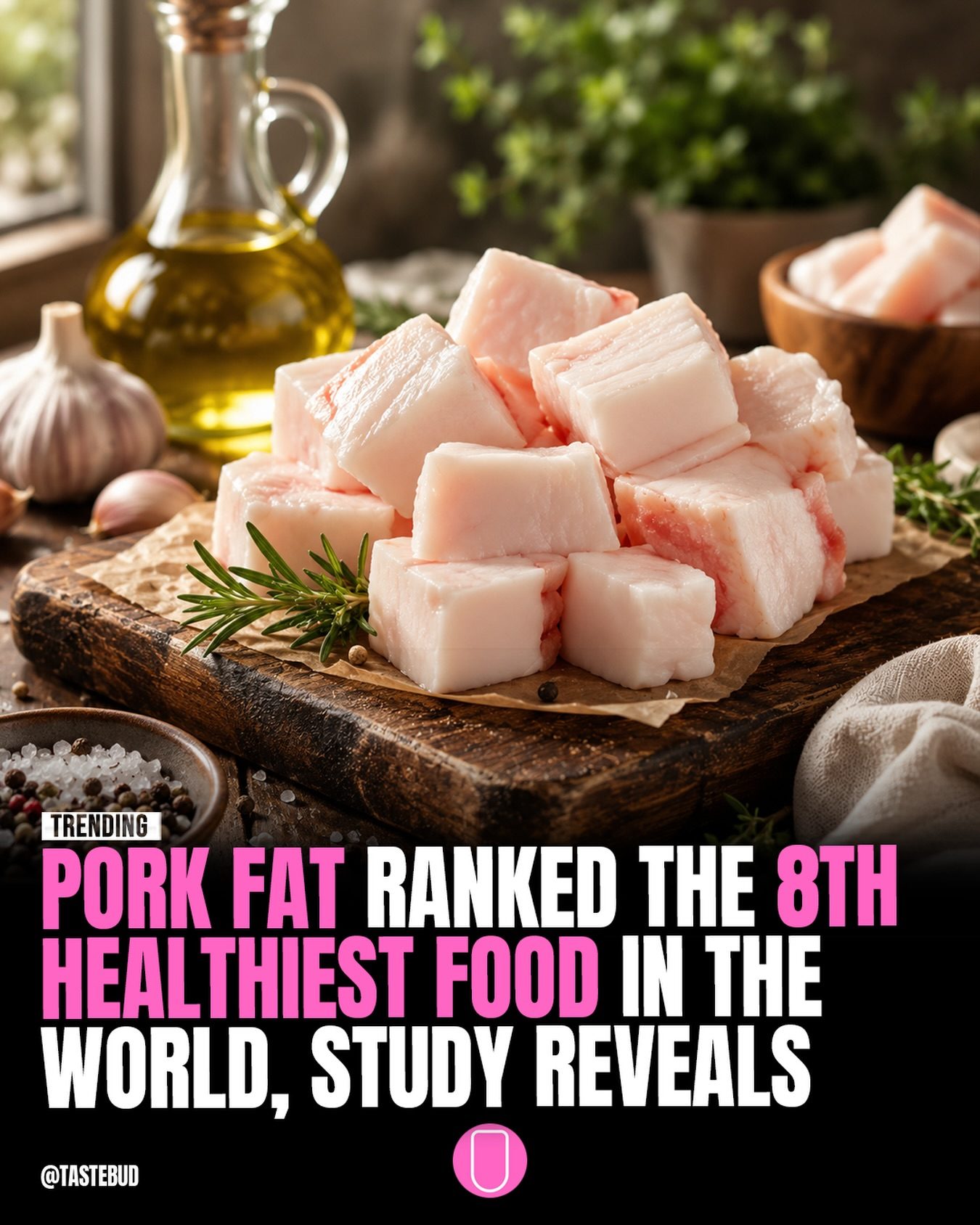
Pork Fat and Its Nutritional Surprises
When you think of pork fat, the words “healthy” and "nutritious" might not immediately come to mind. However, a recent global nutritional analysis of over 1,000 foods ranked pork fat quite impressively. It landed in the eighth position overall based on its nutrient profile. This ranking is surprising and may even challenge some of our preconceived notions about the role of pork fat and other fat sources in a balanced diet.
Importance of Nutrient Profiling
Pork fat’s high ranking isn’t just a fluke. It comes from a comprehensive analysis that considers a wide range of nutrients, rather than focusing on a single aspect like calories or fat content. By evaluating the overall nutritional composition, this analysis highlights the importance of a holistic approach to dietary decisions. Pork fat scored well due to its content of monounsaturated fats, B vitamins, and essential minerals. These nutrients play significant roles in various bodily functions, including energy metabolism and cell health.
Key Nutrients in Pork Fat
The nutrient profile of pork fat includes several key components that contribute to its high ranking:
Monounsaturated Fats
Monounsaturated fats are considered healthy fats. They help lower "bad" cholesterol, which can reduce the risk of heart disease. Foods rich in monounsaturated fats are often recommended as part of a heart-healthy diet.
B Vitamins
B vitamins are essential for a variety of bodily functions, including energy metabolism and maintaining healthy skin and hair. While pork fat contains these vitamins, it’s important to note that it should not be relied upon as a primary source. However, its contribution to overall vitamin intake can be a bonus in a balanced diet.
Essential Minerals
Pork fat also contains essential minerals like iron, magnesium, and zinc, which are crucial for various bodily processes. These minerals support everything from blood health to immune function, making pork fat a more nuanced component of a diet than it might initially seem.
Understanding the Limitations
While pork fat’s high ranking is notable, it’s crucial to understand the limitations. The ranking doesn’t mean pork fat should be considered a health food. It remains high in calories and saturated fat, which are still essential considerations when planning a balanced diet. The ranking serves as a reminder that no single food or nutrient should be evaluated in isolation. The overall context of a balanced diet, which includes moderate portions and a variety of nutrient-rich foods, remains the most reliable guide to good health.
Practical Tips for Incorporating Pork Fat
Pork fat can be part of a balanced diet, but it’s essential to approach it with moderation and awareness. Here are some practical tips:
Moderation is Key
Like many other foods, enjoying pork fat in moderation is crucial. This means not overindulging and being mindful of portion sizes.
Cooking Methods
Choose healthier cooking methods to maximize the benefits. For example, render pork fat at a lower temperature to preserve its nutrients and avoid burning it.
Pairing with Nutrient-Rich Foods
Consider pairing pork fat with nutrient-rich foods to enhance its role in your diet. For instance, using it to cook vegetables or lean proteins can create a more balanced meal.
Experiment with Flavor
Beyond nutritional value, pork fat can add rich flavors to dishes. Experiment with incorporating it into soups, stews, and sautés to elevate the taste without compromising your diet.
Important Takeaways
Nutrient Profiles Matter
Evaluating a food’s nutrient profile can provide a more comprehensive understanding of its role in a balanced diet. Pork fat’s ranking highlights the value of considering a wide range of nutrients, not just calories or fat content.
Balance is Essential
No single food should dominate your diet. Pork fat, while nutritious in many ways, still needs to be enjoyed as part of a balanced and varied eating plan.
Moderation and Awareness
Being mindful of portion sizes and cooking methods can help you maximize the benefits of pork fat while minimizing potential drawbacks.
Conclusion
The revelation that pork fat ranks as one of the world’s highest-scoring foods based on its nutrient profile is a reminder that our dietary choices can be more nuanced than they initially seem. While pork fat contains valuable nutrients, it’s essential to approach it with moderation and a broader understanding of its role in a balanced diet. By concentrating on the overall nutritional context and enjoying pork fat as part of a varied diet, you can harness its benefits in a healthy and mindful way.
Watch the Reel
Questions readers ask
How does pork fat rank among other foods in terms of nutritional benefits?
In a recent global nutritional analysis of over 1,000 foods, pork fat ranked eighth. This high ranking is a testament to its rich nutrient profile, which includes beneficial fats, vitamins, and minerals, making it one of the world’s healthiest foods.
What are the key nutritional benefits of pork fat?
Pork fat is particularly rich in monounsaturated fats, which are known to support heart health. It is also a good source of B vitamins, which are essential for metabolism and energy production, and it contains essential minerals like iron and zinc, vital for overall bodily functions.
How does pork fat compare to other fat sources in terms of health benefits?
Pork fat stands out due to its balanced composition of monounsaturated fats, which are healthier than saturated fats. Additionally, its vitamin and mineral content sets it apart from many other fat sources, making it a more nutritious option for those looking to incorporate healthy fats into their diet.
What role do B vitamins in pork fat play in our diet?
B vitamins in pork fat are crucial for various bodily functions. They help convert food into energy, support the nervous system, and are essential for blood cell production. Including pork fat in your diet can help ensure you get an adequate intake of these vital nutrients.
Why is pork fat’s ranking in the global nutritional analysis significant?
Pork fat's high ranking in the global nutritional analysis is significant because it was evaluated based on a comprehensive nutrient profile, not just its calorie or fat content. This holistic approach underscores the importance of considering the overall nutritional benefits when evaluating foods.
What essential minerals are found in pork fat, and why are they important?
Pork fat contains essential minerals such as iron, which is crucial for blood oxygenation, and zinc, which supports immune function and wound healing. These minerals play a vital role in maintaining overall health and well-being, making pork fat a valuable addition to a balanced diet.
How can incorporating pork fat into meals benefit my diet?
Incorporating pork fat into your meals can provide a range of benefits. Its monounsaturated fats can support heart health, while its B vitamins and essential minerals can contribute to overall bodily functions, making it a nutritious addition to your diet. It can be used in cooking and baking or added to dishes for enhanced flavor.
Related deep dives
Similar reads based on topic and creator.



Recent articles
Fresh deep dives from the latest Reels we unpacked.




Comments
Be the first to comment.