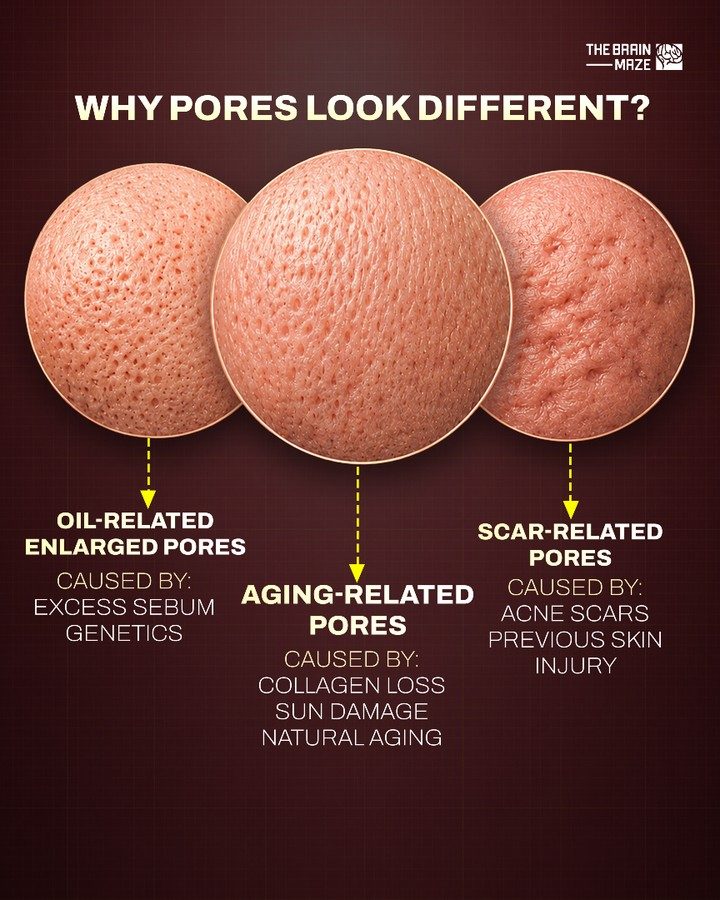
Pore Appearance and Causes
Pores are a natural part of the skin, but their appearance can vary significantly from person to person. Understanding why pores can look different is essential for managing their appearance and maintaining overall skin health. Pores can appear enlarged, shriveled, or even distorted due to several underlying factors.
Why This Matters
The appearance of pores is more than just a cosmetic concern; it can indicate the overall health of your skin. Enlarged pores, for instance, can be a sign of excess oil production or aging, while scar-related pores may point to past skin injuries or acne. Recognizing these differences can help in selecting the right skincare products and routines to address specific issues.
Main Discussion
Oil-Related Enlarged Pores
Excess sebum production is one of the primary reasons for enlarged pores. Sebum is the oil produced by the sebaceous glands in the skin. When the body produces too much sebum, it can clog the pores, making them appear larger. This issue is often genetic, meaning it can run in families. While there is no way to change your genetics, managing oil production through skincare routines and lifestyle choices can help minimize the appearance of these pores.
Genetic Factors
Genetics play a significant role in determining the size and appearance of your pores. If your parents or siblings have enlarged pores, you may be more likely to experience the same issue. However, genetics are not the only factor at play. Environmental and lifestyle factors can also influence pore size.
Aging-Related Pores
As we age, the production of collagen decreases, and the skin loses its elasticity. This natural process can cause pores to appear larger and more prominent. Additionally, sun damage can weaken the skin's structure, further exacerbating the issue. Natural aging and sun damage can lead to collagen loss, making the skin more fragile and prone to wrinkles and enlarged pores.
Collagen Loss
Collagen is a crucial protein that provides structure and elasticity to the skin. As collagen levels decrease with age, the skin becomes thinner and less able to support the pores. This can result in pores that appear stretched or enlarged. Including collagen-boosting ingredients in your skincare routine can help mitigate this effect.
Sun Damage
Sun exposure can weaken the skin's supportive structure, leading to enlarged pores. UV rays break down collagen and elastin, the proteins that keep the skin firm and supple. Wear sunscreen daily to protect your skin from the harmful effects of the sun, and consider using skincare products with antioxidants to combat sun damage.
Scar-Related Pores
Scar-related pores develop after acne or previous skin injuries. These scars can change the texture of the skin surface, making pores appear uneven or distorted. Post-inflammatory hyperpigmentation and textural changes can also affect the appearance of pores.
Acne Scars
Acne scarring can leave lasting marks on the skin, including enlarged pores. When acne lesions heal, they can leave behind scars that alter the skin's texture and appearance. Treating acne promptly and effectively can minimize the risk of scarring. For existing scars, consider treatments like microneedling, chemical peels, or laser therapy to improve skin texture.
Previous Skin Injuries
Any injury to the skin, including cuts, burns, or surgeries, can leave scars that affect pore appearance. These scars can cause the skin to become thicker or thinner in certain areas, leading to uneven pores. Proper wound care and following post-procedure instructions can help minimize scarring and maintain healthy skin.
Practical Tips
Managing Excess Sebum
- Use Oil-Free Skincare Products: Opt for non-comedogenic skincare products that won't clog your pores.
- Regular Cleansing: Cleanse your skin regularly to remove excess oil and dirt.
- Exfoliate: Regular exfoliation can help unclog pores and improve skin texture.
Boosting Collagen
- Vitamin C: Incorporate vitamin C into your skincare routine to boost collagen production.
- Retinoids: Use retinoids to stimulate collagen synthesis and improve skin elasticity.
- Hydration: Keep your skin hydrated to maintain its elasticity and structure.
Protecting from Sun Damage
- Suncreen: Apply sunscreen daily, even on cloudy days, to protect your skin from UV rays.
- Antioxidants: Use skincare products with antioxidants like vitamin E and green tea to combat sun damage.
- Clothing: Wear protective clothing, including hats and sunglasses, to shield your skin from the sun.
Treating Acne Scars
- Microneedling: Consider microneedling to stimulate collagen production and improve skin texture.
- Chemical Peels: Use chemical peels to remove the outer layer of dead skin cells and reveal smoother skin.
- Laser Therapy: Laser treatments can help reduce the appearance of acne scars and improve pore texture.
Important Takeaways
- Understand the Causes: Recognizing the underlying causes of different pore appearances can help you address them effectively.
- Tailor Your Skincare: Choose skincare products and routines tailored to your specific pore concerns.
- Maintain Skin Health: Regular skincare, sun protection, and healthy lifestyle choices can help maintain overall skin health.
Conclusion
The appearance of pores can vary widely due to factors like excess sebum, aging, and scarring. Understanding these causes can help you manage and improve your skin's texture and appearance. By incorporating effective skincare routines and lifestyle choices, you can address pore-related concerns and maintain healthy, radiant skin.
Watch the Reel
Questions readers ask
What are the primary causes of enlarged pores?
Enlarged pores can be caused by several factors, including excess sebum production, which stretches the pore opening, and aging, which leads to a decrease in collagen production, causing pores to lose their tightness. Additionally, sun damage and acne scarring can also contribute to the appearance of enlarged pores.
How do genetics influence the appearance of pores?
Genetics play a significant role in determining pore size. Some people are naturally predisposed to having larger pores due to their genetic makeup. This is an important factor to understand when selecting skincare products, as genetics can influence how pores respond to different treatments.
Can aging affect the appearance of pores?
Yes, aging can significantly impact pore appearance. As we age, our skin produces less collagen, which can cause pores to lose their elasticity and become more visible. Additionally, the skin's natural oil production can decrease, leading to changes in pore size and appearance.
How does sun damage impact pores?
Sun damage can enlarge pores by breaking down collagen and elastin, which are essential for maintaining the skin's structure. This breakdown leads to a loss of elasticity, making pores appear larger and more prominent. Protecting the skin from UV rays through sunscreen and other protective measures is crucial for maintaining healthy pore size and appearance.
What are the best treatments for managing enlarged pores?
There are several treatments available for managing enlarged pores, including topical retinoids, chemical peels, and laser therapies. Retinoids can help unclog pores and reduce their appearance, while chemical peels and laser treatments can improve skin texture and tone, making pores less visible. Additionally, maintaining a consistent skincare routine that includes regular cleansing and exfoliation can help manage pore size and appearance.
Why do some people have different pore sizes on different parts of their face?
Pore size can vary across different areas of the face due to differences in oil production and skin thickness. Areas with more active oil glands, such as the nose and forehead, tend to have larger pores, while areas with thinner skin, like the cheeks, may have smaller pores. Understanding these differences can help in selecting targeted skincare solutions for specific areas of the face.
How do acne scars affect the appearance of pores?
Acne scars can cause pores to appear distorted or enlarged. These scars can lead to an uneven skin texture, which makes pores more noticeable. Treatments such as microneedling, laser resurfacing, and chemical peels can help to improve the appearance of acne scars and, consequently, the appearance of pores.
Related deep dives
Similar reads based on topic and creator.

Recent articles
Fresh deep dives from the latest Reels we unpacked.




Comments
Be the first to comment.