Activewear and the Hidden Dangers of Chemical Exposure
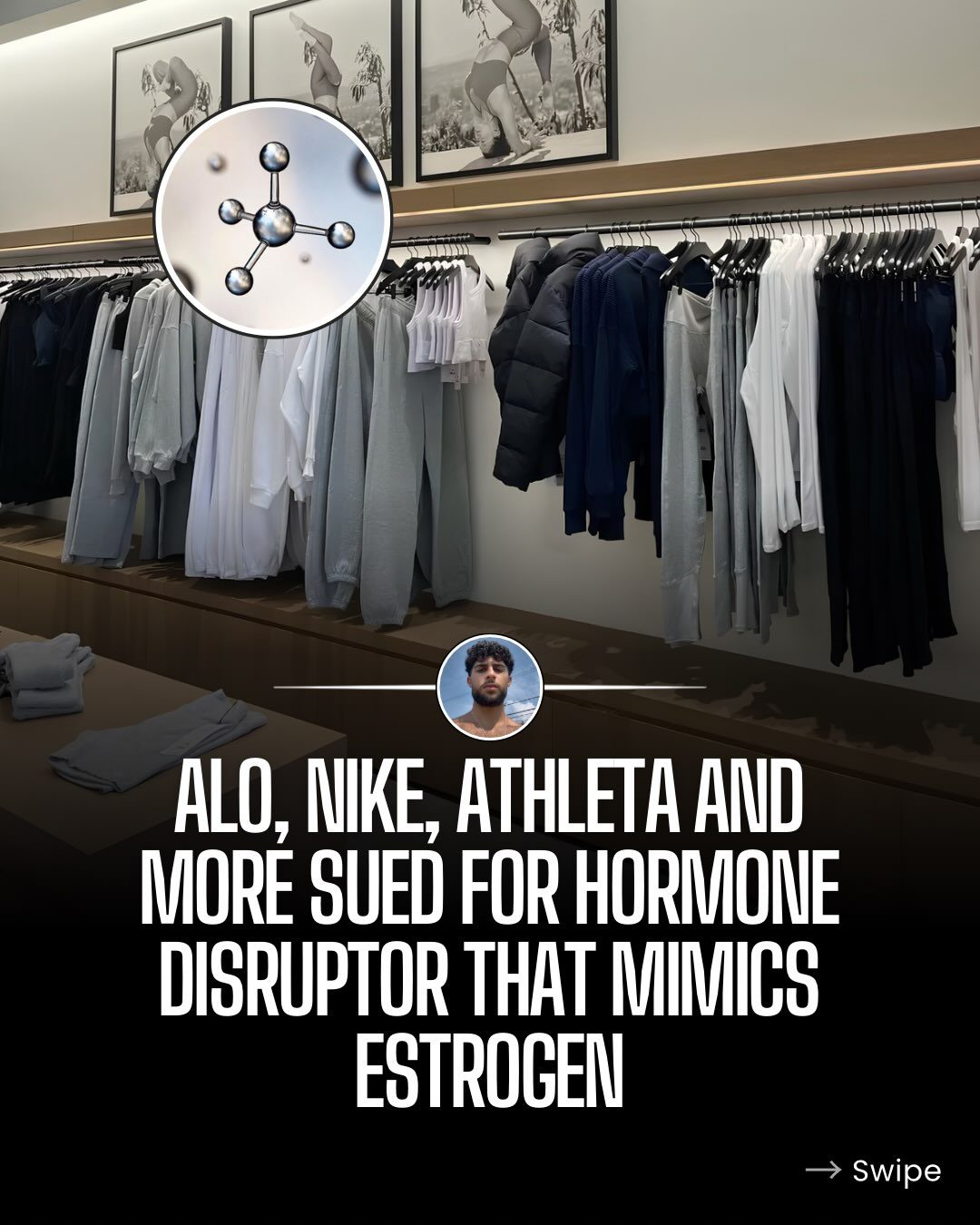
Activewear has become a staple in many people's wardrobes, offering comfort, flexibility, and style. However, recent findings have raised concerns about the safety of popular activewear brands, with independent lab testing by the Center for Environmental Health (CEH) revealing the presence of Bisphenol A (BPA) in activewear from major brands like Nike, Alo Yoga, Athleta, and more. BPA, a well-known endocrine disruptor, mimics estrogen and interferes with the body's hormone system, leading to potential health issues.
Why This Matters
The presence of BPA in activewear is concerning because it can be absorbed through the skin, especially when sweating. This prolonged exposure could potentially lead to a variety of health issues. Understanding the risks and taking steps to mitigate them can help consumers make more informed decisions about their activewear choices.
Understanding BPA and Its Impact
Bisphenol A (BPA) is a chemical compound commonly used in the production of polycarbonate plastics and epoxy resins. In activewear, BPA is often found in polyester and spandex blends, which are popular for their elasticity and durability. However, it’s important to note that BPA acts as an endocrine disruptor, which means it can interfere with the body’s hormone system.
Health Risks
Exposure to BPA has been linked to a range of health issues, including:
- Infertility: Studies have shown that BPA can affect reproductive health, leading to fertility problems.
- Early Puberty: Hormone disruption can accelerate puberty in children, which has long-term developmental implications.
- Metabolic Disruption: BPA can interfere with the body’s metabolism, leading to issues like weight gain and insulin resistance.
- Breast Cancer: Some research suggests a link between BPA exposure and an increased risk of breast cancer.
The Lawsuit and Lab Testing
The CEH's findings were significant enough to prompt legal action. According to the lab testing, BPA was detected in 100% of polyester-spandex blends, with levels up to 22 times California’s Prop 65 safety threshold in sports bras and up to 40 times in leggings and shorts. This exceeds safe limits and raises serious concerns about consumer safety.
The Role of the Scout App
Given the potential risks, it’s crucial for consumers to have access to reliable information about the products they purchase. One such tool is the Scout app, which rates clothing based on sustainability and chemical leaching. By using the app, consumers can find products that are safer and more environmentally friendly.
How to Choose Safer Activewear
The discovery of BPA in activewear highlights the importance of making informed choices. Here are some practical tips for choosing safer activewear:
Look for Certifications
When shopping for activewear, look for certifications that indicate the product is free from harmful chemicals. Certifications such as OEKO-TEX, which tests for harmful substances, can provide peace of mind.
Opt for Natural Fibers
Where possible, choose activewear made from natural fibers like organic cotton, bamboo, or hemp. These materials are less likely to contain harmful chemicals and are often more sustainable.
Check Labels for Chemical Composition
Pay close attention to the fabric composition. Look for products that avoid synthetic blends with high polyester and spandex content, as these are more likely to contain BPA.
Use the Scout App
Tools like the Scout app can be invaluable. By using the app, you can quickly identify products that are rated high for sustainability and low chemical leaching.
Consider Sustainable Brands
Some brands are known for their commitment to sustainability and safe manufacturing practices. Brands like Harvest & Mill, which scored a perfect 100/100 on the Scout app, are worth considering. Opting for these brands can help ensure that you’re investing in safer, more sustainable activewear.
Important Takeaways
- BPA is a real concern: The presence of BPA in activewear is a significant issue, and consumers should be aware of the potential risks.
- Know your labels: Understanding the fabric composition and looking for certifications can help you make safer choices.
- Use technology to your advantage: Apps like Scout can provide valuable information about the safety and sustainability of activewear.
- Support sustainable brands: Choosing brands that prioritize sustainability and safety can help reduce exposure to harmful chemicals.
Conclusion
The discovery of BPA in popular activewear brands is a wake-up call for consumers and manufacturers alike. By staying informed and making conscious choices, consumers can mitigate their exposure to harmful chemicals. Tools like the Scout app and a focus on natural, sustainable materials can help ensure that activewear remains a healthy and beneficial part of your wardrobe. Stay vigilant and prioritize your health when choosing your next activewear purchase.
Watch the Reel
Questions readers ask
What is BPA and why is it harmful in activewear?
BPA, or Bisphenol A, is a chemical used in the production of certain plastics and resins. It is harmful in activewear because it can disrupt the body's hormone system, mimicking estrogen and leading to potential health issues. Prolonged skin exposure, especially during exercise, can cause the chemical to be absorbed into the body.
Which popular activewear brands have been found to contain BPA?
Recent lab testing has detected BPA in activewear from several popular brands, including Nike, Alo Yoga, and Athleta. These findings have raised concerns among consumers about the potential health risks associated with wearing these products.
What does the Center for Environmental Health recommend regarding activewear and BPA?
The Center for Environmental Health advises consumers to be cautious when choosing activewear, as prolonged skin exposure to BPA can lead to potential health issues. They recommend looking for BPA-free alternatives and encouraging brands to adopt safer manufacturing processes.
How can I protect myself from BPA in activewear?
To minimize exposure to BPA in activewear, opt for BPA-free clothing. Always check product labels and choose brands that are transparent about their manufacturing processes. Additionally, wash new activewear before use to reduce any potential chemical residue.
What are the symptoms of BPA exposure through activewear?
Symptoms of BPA exposure can vary, but may include hormonal imbalances, reproductive issues, and development problems. Since activewear can cause prolonged skin contact, it’s crucial to be aware of these potential risks and opt for safer alternatives when possible.
Are there any legal actions against brands with BPA in their activewear?
Yes, there have been lawsuits filed against several major brands, including Nike and Athleta, due to the presence of BPA in their activewear. These legal actions aim to hold these companies accountable for potential health risks to consumers and encourage them to adopt safer manufacturing practices.
What are the potential health risks associated with BPA in activewear?
The health risks associated with BPA in activewear include hormonal imbalances, reproductive issues, and other long-term health complications. These risks are exacerbated by the fact that BPA can be absorbed through the skin, particularly during intense physical activity when sweating is common.
Recent articles
Fresh deep dives from the latest Reels we unpacked.




Comments
Be the first to comment.