Popcorn Safety for Children
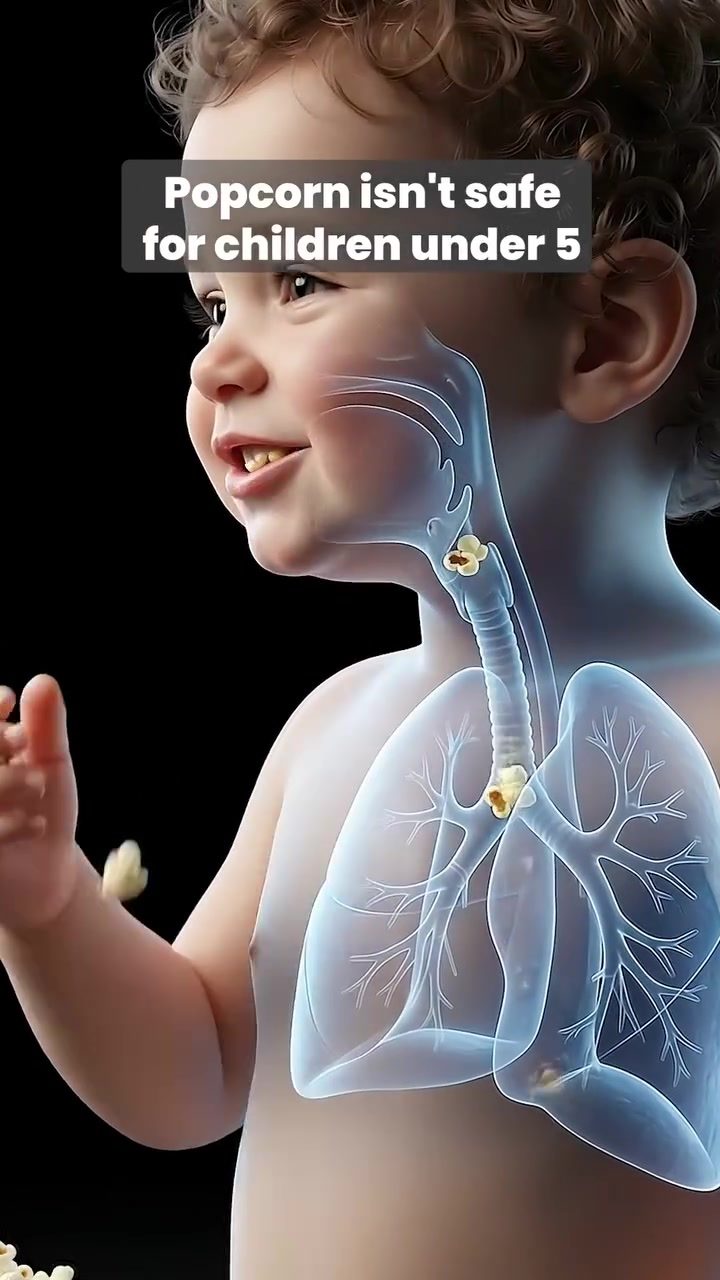
Popcorn is a popular snack enjoyed by many, but it poses significant risks for young children, particularly those under 5 years of age. Understanding the dangers associated with popcorn and other similar foods is crucial for ensuring the safety of young children.
Why This Matters
Children under 5 are at a higher risk of aspirating small, hard, and oddly shaped foods. Aspiration occurs when food or another object enters the lungs instead of the stomach. This can lead to reduced oxygen flow and potentially serious lung complications. Being aware of the risks and taking preventive measures can help keep children safe and healthy.
Main Discussion
Understanding Aspiration
Aspiration happens when food or small objects are inhaled into the lungs rather than being swallowed properly. Children under 5 are particularly vulnerable because their respiratory systems are still developing, and they may not have fully developed chewing and swallowing skills. This makes it easier for them to inhale small, hard objects like popcorn kernels.
Risks of Popcorn
Popcorn is one of the most common foods linked to aspiration in young children. Several factors contribute to this risk:
- Odd Shape: The irregular shape of popcorn kernels makes them difficult to chew completely, increasing the likelihood of inhalation.
- Hard Texture: The hard texture of popcorn can cause injury to the respiratory tract if inhaled.
- Lightweight: Popcorn is light enough to be easily inhaled into the airway, especially if a child is laughing, crying, or moving around while eating.
Other common foods that can pose similar risks include:
- Raw carrot sticks
- Raw apple slices
- Peanuts and mixed nuts
- Roasted chana or whole seeds (pumpkin, sunflower, etc.)
- Papad pieces, namkeen, or crunchy chips
Warning Signs of Aspiration
Recognizing the warning signs of aspiration is crucial for prompt intervention. After a choking episode or while eating/drinking, watch for the following symptoms:
- Increased breathing effort or faster breathing
- Continuous coughing
- Wheezing
- Whistling sound while breathing
If your child exhibits any of these symptoms, seek medical assessment promptly. If the child has moderate or severe breathing difficulty, call an ambulance immediately. Quick action can make a significant difference in the outcome.
Practical Tips
Safe Eating Habits
To minimize the risk of aspiration, follow these practical tips:
- Avoid High-Risk Foods: Keep small, hard, and oddly shaped foods out of reach of young children. This includes popcorn, raw vegetables, and nuts.
- Supervise Eating: Always supervise young children while they are eating, especially when they are eating foods that could pose a choking hazard.
- Proper Portion Sizes: Serve appropriate portion sizes to ensure that children do not overeat, which can lead to choking.
- Choose Safer Snacks: Opt for softer, easily chewable foods that are less likely to be aspirated, such as cooked vegetables, soft fruits, and yogurt.
- Teach Proper Chewing: Encourage children to chew their food thoroughly before swallowing. This can help reduce the risk of aspiration.
- Stay Calm and Alert: Keep a calm and alert demeanor while the child is eating. This can help them stay focused and avoid distractions that could lead to choking.
Emergency Preparedness
Being prepared for emergencies can save lives. Here are some steps to take:
- Learn First Aid: Learn basic first aid, including the Heimlich maneuver, which can be life-saving in choking emergencies.
- Identify Choking Hazards: Keep a list of choking hazards and emergency contact numbers handy.
- Educate Caregivers: Ensure that all caregivers, including family members, babysitters, and daycare providers, are aware of the risks and know what to do in an emergency.
Important Takeaways
Know the Risks
Understanding that popcorn and similar foods pose a significant risk of aspiration is the first step toward keeping children safe. Young children are particularly vulnerable, so it’s essential to be vigilant.
Stay Informed
Know the warning signs of aspiration and be ready to act quickly. Prompt medical attention can prevent serious complications.
Plan and Prepare
Create a safe eating environment, choose safer snacks, and be prepared for emergencies. Knowing what to do in case of an emergency can make all the difference.
Conclusion
Popcorn and other small, hard foods can pose serious risks to young children, particularly those under 5 years of age. By understanding the dangers, recognizing the warning signs, and taking preventive measures, you can help keep your child safe. Always prioritize safety and stay informed to ensure the well-being of your loved ones.
Watch the Reel
Questions readers ask
Why is popcorn particularly dangerous for children under 5?
Popcorn is dangerous for children under 5 due to its hard texture, irregular shape, and lightweight nature. These characteristics make it a significant choking hazard, as young children may struggle to chew and swallow it safely, increasing the risk of aspiration into the lungs.
What should I do if my child is showing signs of aspiration after eating popcorn?
If your child is showing signs of aspiration, such as coughing, wheezing, or difficulty breathing, seek immediate medical attention. Aspiration can lead to serious lung complications, so it's crucial to act quickly. If you suspect a complete airway obstruction, perform the Heimlich maneuver if trained to do so, or call emergency services.
What are some safer snack alternatives to popcorn for young children?
Opt for softer, easily chewable foods that are appropriately sized for your child. Examples include small pieces of soft fruit, well-cooked pasta, or steamed vegetables. Always supervise young children while they are eating to further minimize the risk of choking or aspiration.
What are the signs of aspiration in a child after eating a dangerous food?
Signs of aspiration in a child can include persistent coughing, wheezing, or shortness of breath. You may also notice a change in the child's voice, fever, or unusual fatigue. If you observe any of these symptoms after a child has eaten a hazardous food like popcorn, consult a healthcare professional immediately.
Can older children be at risk of aspirating popcorn?
While the risk is higher for children under 5, older children can still be at risk, especially if they have developmental delays or eating difficulties. It's important to consider each child's individual abilities and precautions. Always supervise children while they are eating popcorn and encourage them to take small bites and chew thoroughly.
Is raw or unpopped popcorn particularly harmful to young children?
Yes, raw or unpopped popcorn is particularly harmful to young children. The small, hard kernels are a major choking hazard, even more so than popped popcorn. Keep raw popcorn and other small, hard foods out of reach of children under 5 to ensure their safety.
What other foods pose a similar risk to popcorn for young children?
Other foods that pose a similar risk include whole grapes, hot dogs, nuts, and hard candies. These foods can also be a choking hazard due to their size, shape, or texture. Always cut foods into small, manageable pieces and supervise children while they are eating to help prevent choking and aspiration.
Recent articles
Fresh deep dives from the latest Reels we unpacked.




Comments
Be the first to comment.