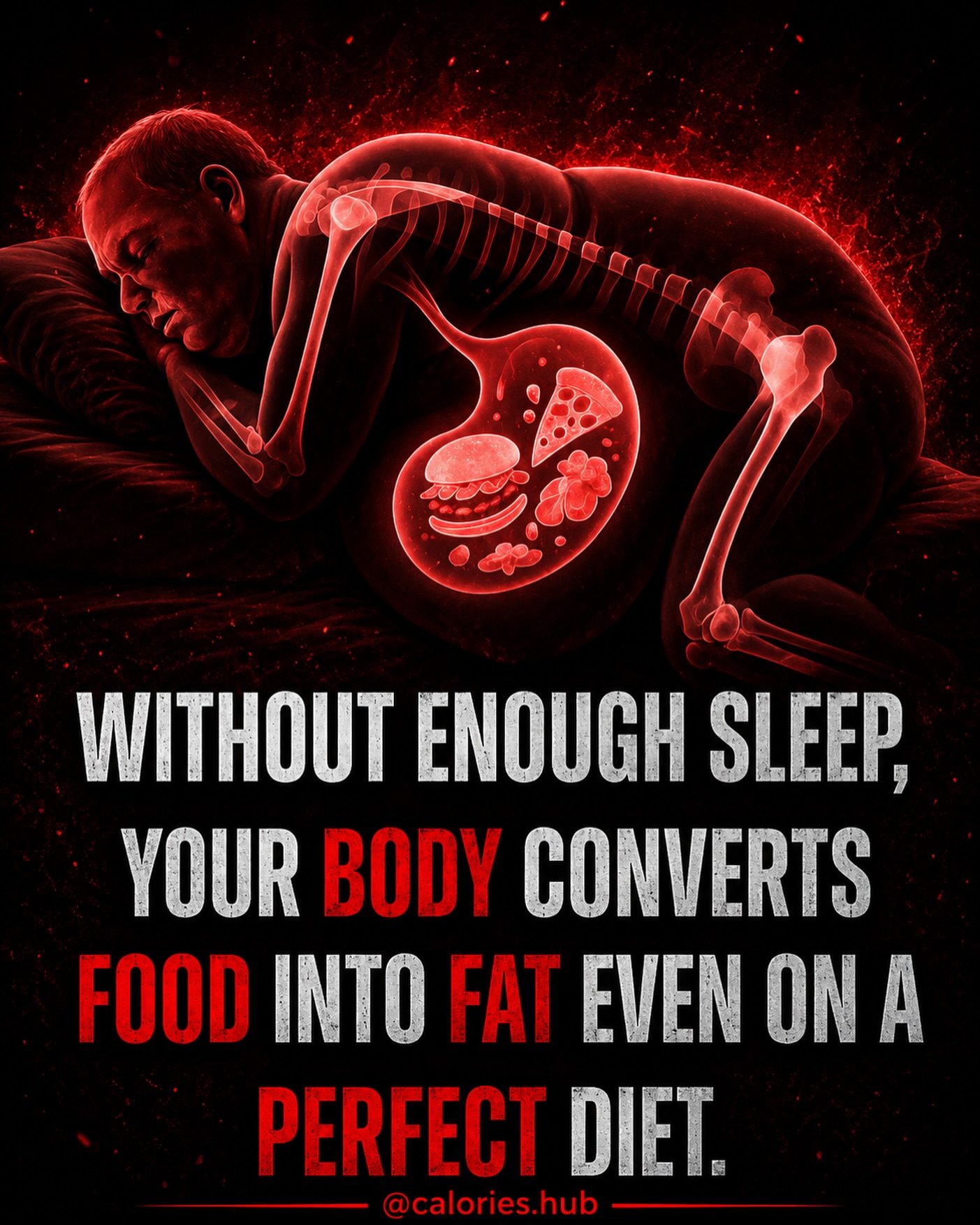
Sleep and Diet: The Hidden Connection
Sleep and diet are two pillars of health often discussed separately, but their interplay is crucial for overall well-being and weight management. Understanding how sleep affects metabolism and dietary outcomes can help optimize both areas for better health.
Why This Matters
Sleep's role in metabolism is often overlooked, yet it significantly influences how the body processes food and maintains a healthy weight. Even with a perfectly balanced diet, inadequate sleep can lead to weight gain and other health issues.
The Impact of Sleep on Metabolism
Hormonal Changes
Sleep deprivation triggers several hormonal changes that affect metabolism and appetite:
- Ghrelin and Leptin: Ghrelin, the hunger hormone, increases with less sleep, leading to heightened cravings, especially for high-calorie foods. Simultaneously, leptin, the satiety hormone, decreases, reducing the brain's ability to recognize fullness. This double whammy can result in overeating and poor food choices.
- Cortisol and Insulin: Cortisol, a stress hormone, rises with sleep restriction, signaling the body to conserve energy and store fat. Insulin sensitivity also declines, causing more glucose to be stored as fat rather than used for energy. This metabolic shift makes it harder to burn calories efficiently and can lead to increased fat storage.
Metabolic Efficiency
Research indicates that sleep deprivation can drastically alter metabolic function. For instance, a study found that individuals sleeping only 5.5 hours per night lost 55% less body fat and significantly more lean muscle mass than those getting 8.5 hours of sleep, despite consuming the same diet. This means that even with a healthy diet, poor sleep can hinder fat loss and muscle maintenance.
Practical Tips for Better Sleep and Diet
Prioritize Sleep Hygiene
Good sleep hygiene can improve sleep quality and metabolic health. Here are some tips:
- Consistent Sleep Schedule: Maintain a regular sleep schedule by going to bed and waking up at the same time every day, even on weekends.
- Sleep Environment: Create a comfortable sleep environment with a cool temperature, supportive pillow, and minimal light and noise.
- Avoid Screens: Limit exposure to electronic devices before bed, as the blue light can interfere with sleep patterns.
Dietary Adjustments
While diet is crucial, it's important to address sleep first:
- Eating Patterns: Adjusting your eating patterns can support better sleep. Avoid large meals and high-sugar foods close to bedtime, as they can disrupt sleep.
- Balanced Diet: Ensure your diet is rich in nutrients that support both sleep and metabolism, such as lean proteins, whole grains, fruits, and vegetables.
Lifestyle Choices
Other lifestyle factors can enhance both sleep and diet:
- Exercise: Regular physical activity can improve sleep quality and aid in weight management.
- Stress Management: Techniques like meditation, yoga, and deep breathing can help manage stress, which in turn can improve both sleep and metabolism.
Important Takeaways
Sleep is more than just recovery from the day's activities; it is a powerful regulator of body composition and metabolic health. Here are some key takeaways:
- Sleep deprivation can significantly alter hormonal levels, leading to increased hunger, reduced satiety, and a higher likelihood of storing food as fat.
- Even a perfectly balanced diet may not yield desired weight loss results if sleep is inadequate.
- Prioritizing sleep is essential for optimal metabolic function and overall health.
Conclusion
Understanding the intricate connection between sleep and diet is vital for maintaining a healthy weight and overall well-being. By prioritizing sleep and making informed dietary choices, you can enhance your metabolic health and achieve your wellness goals more effectively.
Watch the Reel
Questions readers ask
How does sleep deprivation affect my metabolism?
Sleep deprivation can slow down your metabolic rate, which is the rate at which your body burns calories. This means that even with a balanced diet, you might not be burning as many calories as you would with adequate sleep, potentially leading to weight gain over time.
Can poor sleep influence my eating habits?
Yes, poor sleep can significantly alter your eating habits. Lack of sleep increases the production of the hunger hormone, ghrelin, making you feel hungrier and more likely to consume extra calories, which can lead to overeating and weight gain.
Why does tiredness make it harder to manage weight?
Tiredness from poor sleep reduces your energy levels, making it harder to engage in physical activities and exercise. This decrease in physical activity reduces the calories burned and can lead to increased fat storage, making weight management more challenging.
How does sleep impact the hormones that regulate weight?
Sleep deprivation affects the balance of hormones that regulate weight. It increases ghrelin, which stimulates appetite, and decreases leptin, which signals fullness, leading to an increase in calorie intake and potentially resulting in weight gain.
Can improving sleep help in losing weight?
Yes, improving your sleep can significantly aid in weight loss. Adequate sleep helps maintain hormonal balance, reduces hunger, and increases energy levels, making it easier to stick to a healthy diet and engage in regular physical activity, which are crucial for weight management.
Related deep dives
Similar reads based on topic and creator.



Recent articles
Fresh deep dives from the latest Reels we unpacked.




Comments
Be the first to comment.