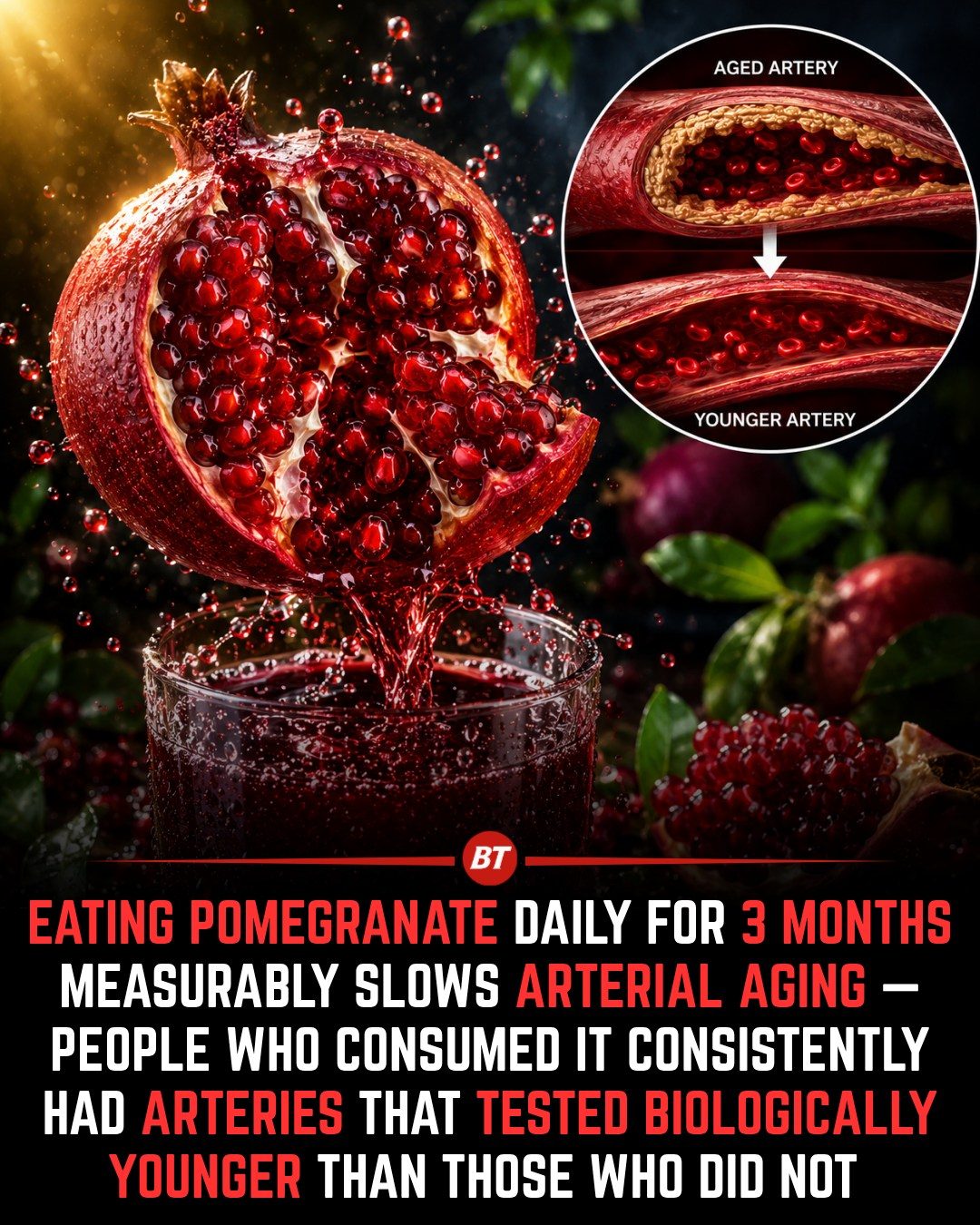
Pomegranates: Nature's Powerhouse for Arterial Health
Pomegranates are far more than a tasty, ruby-red fruit. They are packed with unique plant compounds that researchers have been exploring for their potential to support healthy blood vessels and mitigate some of the biological changes associated with vascular aging. The star of the show is punicalagin, a powerful polyphenol with potent antioxidant activity. Along with other antioxidants like ellagic acid, these compounds protect blood vessels from oxidative stress, a gradual process that can damage the delicate inner lining of the arteries, known as the endothelium.
Why This Matters
As we age, oxidative stress and chronic inflammation can reduce the availability of nitric oxide, a crucial signaling molecule produced by a healthy endothelium. Nitric oxide helps arteries relax, maintain healthy blood flow, and regulate blood pressure. When nitric oxide levels drop, arteries can become stiffer and less flexible, leading to various cardiovascular issues. Including pomegranates in your diet is a promising natural way to counteract these effects.
The Science Behind Pomegranates and Arterial Health
Unique Compounds and Their Roles
Punicalagin and ellagic acid are two of the most researched compounds found in pomegranates. These potent antioxidants work together to support cardiovascular health by protecting the endothelium from oxidative stress. Studies have shown that regular pomegranate consumption may improve markers of endothelial function and reduce oxidative stress, contributing to healthier arteries.
Clinical Studies and Findings
Several clinical studies have investigated the effects of pomegranate consumption on arterial health. Research indicates that consistent intake can improve measures related to arterial thickness and vascular aging. For instance, eating pomegranate daily for three months has been shown to measurably slow arterial aging. People who consumed pomegranate regularly had arteries that tested biologically younger than those who did not.
The Whole Package
The benefits of pomegranates likely come from the fruit's entire nutritional profile, not just one compound. Pomegranates provide fiber, vitamin C, potassium, and dozens of other polyphenols that work together to support cardiovascular health. This makes them a valuable addition to an overall healthy diet.
Practical Tips for Incorporating Pomegranates into Your Diet
Fresh Arils
One of the simplest ways to enjoy pomegranates is by consuming fresh arils. These are the juicy seeds inside the fruit. Try adding a handful of arils to your morning oatmeal, yogurt, or salad. Aim for ½ to 1 cup of fresh pomegranate arils several times a week.
Pomegranate Juice
For a convenient option, consider 100% unsweetened pomegranate juice. A small glass can provide the same benefits as fresh arils. Ensure the juice is unsweetened and 100% pure to avoid added sugars.
Recipes and Ideas
Pomegranates can add a delightful twist to various dishes. Here are a few ideas:
- Salad Topping: Sprinkle arils over mixed greens, spinach, or arugula salads.
- Breakfast Boost: Mix arils into Greek yogurt or oatmeal.
- Dessert Delight: Use arils as a topping for ice cream, parfaits, or smoothie bowls.
- Marinades and Dressings: Add pomegranate juice to marinades or dressings for a tangy kick.
Important Takeaways
- Pomegranates contain unique plant compounds like punicalagin and ellagic acid, which support arterial health.
- Regular consumption of pomegranates may improve markers of endothelial function and reduce oxidative stress.
- The benefits of pomegranates come from their comprehensive nutritional profile, including fiber, vitamins, and various polyphenols.
- Consistent intake of pomegranates can measurably slow arterial aging and contribute to biologically younger arteries.
Conclusion
Pomegranates are a powerhouse of antioxidants and nutrients that can significantly benefit arterial health. By incorporating these fruits into your diet, you can support healthy blood vessels, reduce oxidative stress, and promote overall cardiovascular wellness. Whether you enjoy them fresh, in juice form, or as part of a recipe, pomegranates offer a delicious and natural way to enhance your diet and support your health.
Watch the Reel
Questions readers ask
How do pomegranates contribute to better cardiovascular health?
Pomegranates support cardiovascular health primarily through their high content of antioxidants, such as punicalagin and ellagic acid. These compounds help to reduce oxidative stress, which can damage the endothelium, the inner lining of the arteries, and promote arterial health. By lowering oxidative stress, pomegranates can also help to increase the availability of nitric oxide, a molecule crucial for maintaining healthy blood vessel function.
What are the benefits of including pomegranates in my daily diet?
Daily consumption of pomegranates can slow arterial aging by protecting the blood vessels from oxidative stress. This can help all ages maintain healthier arteries, promoting overall cardiovascular health. Additionally, the unique plant compounds in pomegranates, like punicalagin, offer potent antioxidant activity, which supports healthy blood vessels.
What are the key compounds in pomegranates that support arterial health?
The main compounds in pomegranates that support arterial health are punicalagin and ellagic acid. Punicalagin is a powerful polyphenol with strong antioxidant properties, while ellagic acid also contributes to reducing oxidative stress. Both compounds work together to protect the endothelium and maintain arterial health.
Can pomegranates help maintain youthful arteries as I age?
Yes, pomegranates can help maintain youthful arteries as you age. The antioxidants in pomegranates, like punicalagin and ellagic acid, combat oxidative stress, which is a significant factor in the aging process of arteries. By reducing this stress, pomegranates can help keep your arteries healthier for longer.
What is the role of oxidative stress in arterial aging, and how do pomegranates help?
Oxidative stress is a gradual process that can damage the endothelium, or the inner lining of the arteries, leading to arterial aging. Pomegranates contain potent antioxidants that help reduce oxidative stress, protecting the blood vessels and promoting arterial health. By mitigating the effects of oxidative stress, pomegranates can slow the aging process of the arteries.
What are some tips for incorporating pomegranates into my daily diet?
You can easily incorporate pomegranates into your daily diet by adding pomegranate seeds to salads, yogurt, or oatmeal. You can also enjoy pomegranate juice, but be mindful of added sugars in store-bought varieties. Fresh pomegranate seeds can provide a refreshing and nutrient boost to your daily meals.
Related deep dives
Similar reads based on topic and creator.




Recent articles
Fresh deep dives from the latest Reels we unpacked.




Comments
Be the first to comment.