Women's Safety & The Myth of Politeness
Women often face a societal pressure to stay polite in uncomfortable situations, but this expectation can be dangerous. The notion that women should remain courteous, even when feeling threatened or unsafe, is a harmful myth and can have serious real-world consequences.
Why This Matters
People often assume that catcalling and harassment are inevitable and that women should simply accept them as a part of daily life. This assumption underpins the idea that women should stay polite in uncomfortable situations, even when they feel unsafe. Unfortunately, this expectation can put women in harm's way and perpetuate a dangerous cycle of victimization.
In a viral essay by federal attorney Adeline Dimond, she described how she was catcalled and chose not to smile, ignore it, or quietly hurry away. Instead, she snapped back loudly and aggressively, shocking the men who had targeted her. This action disrupted the harasser's expectation of a compliant victim, which is a crucial point to consider. Her story resonated because many women understand the pressure to remain "nice," even when they feel unsafe.
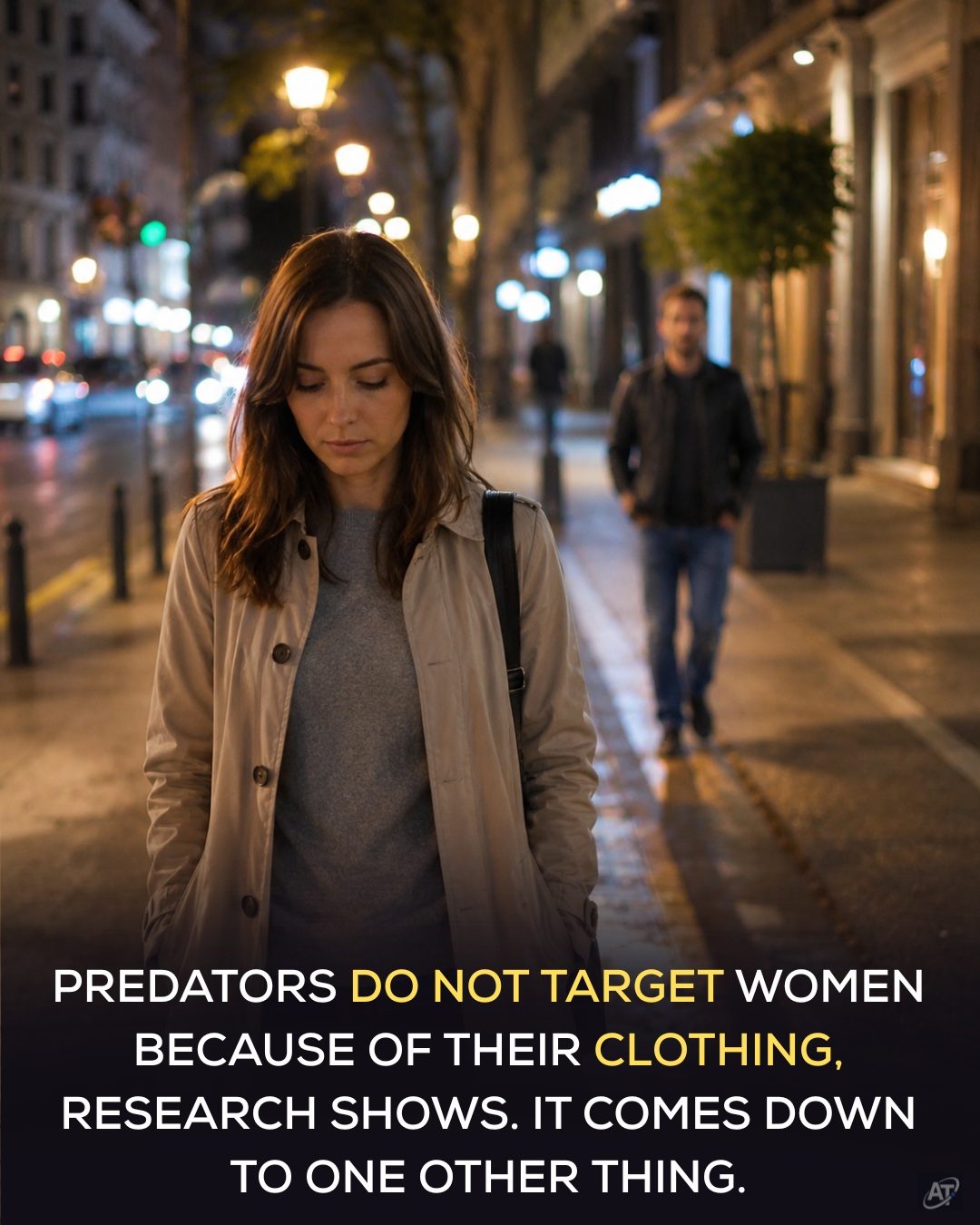
The idea that women should stay quiet and polite in threatening situations is rooted in misconceptions about vulnerability and victimization. Research shows that predators do not target women because of their clothing. Instead, they look for signs of vulnerability, which can include body language and behavior that suggests a victim is an easy target. Studies have shown that offenders pay attention to cues that indicate a potential victim may be an easier target.
The Importance of Judgment
The key to personal safety is judgment. Each situation is unique, and what works in one scenario may not be effective in another. Consider these key points:
Situational Awareness
Pay attention to your surroundings and trust your instincts. If something or someone makes you feel uncomfortable, take action. This could mean moving to a more public area, calling a friend, or reaching out to someone nearby for help.
Assertiveness
There are times when assertiveness can be the safest move. If you feel threatened, making it clear that you are not a passive target can disrupt the harasser's expectations and potentially deter them. This doesn't mean escalating the situation but rather making it clear that you are aware and prepared to defend yourself.
Seeking Help
In some situations, the safest move is to seek help. This could mean calling for assistance, reaching out to a bystander, or moving towards a more public area. Do not be afraid to ask for help if you feel threatened or unsafe.
Practical Tips
Trust Your Instincts
If something or someone makes you feel uncomfortable, trust your instincts. Your gut feeling is often a reliable indicator of potential danger. Do not dismiss your instincts in an effort to be polite or compliant.
Stay Alert
Being aware of your surroundings can help you identify potential risks and take action to avoid them. Walk with confidence and stay alert to your environment.
Use Your Voice
When faced with a harasser, using your voice can be a powerful tool. Speaking loudly and firmly can disrupt the harasser's expectations and draw attention to the situation.
Get to Safety
In some situations, the safest move is to get to a more public or well-lit area. Do not hesitate to move away from a potentially dangerous situation.
Important Takeaways
It is important to remember that women do not owe politeness to people who make them feel uncomfortable or unsafe. Safety is the most important priority. When faced with harassment or threatening situations, it is crucial to trust your instincts and take action to ensure your safety.
Do not be afraid to make noise, seek help, or distance yourself from a harasser if you feel unsafe. Remember that your safety is the most important priority. Each situation is unique, and what works in one scenario may not be effective in another. Pay attention to your surroundings, trust your instincts, and take action to ensure your safety.
Conclusion
The pressure to stay polite in uncomfortable situations can put women in harm's way. It is crucial to prioritize safety over politeness. When faced with harassment or threatening situations, trust your instincts and take action to ensure your safety. Remember that your safety is the most important priority, and do not be afraid to make noise, seek help, or distance yourself from a harasser if you feel unsafe.
Watch the Reel
Questions readers ask
Why is politeness harmful for women in dangerous situations?
Politeness can be harmful because it may prevent women from taking necessary actions to protect themselves. It can also delay or deter women from reporting incidents, allowing perpetrators to go unpunished, and potentially victimizing others.
What is the 'harmful myth' regarding women and politeness?
The harmful myth is that women should remain courteous and polite even when feeling threatened or unsafe. This expectation can lead women to hesitate or avoid confrontations, even when their safety is at risk.
How does the expectation of politeness put women in harm's way?
By expecting women to stay polite, society may be inadvertently encouraging them to downplay or ignore threats, making them more vulnerable. This can also create an environment where perpetrators feel empowered to act without consequence.
Why do people often assume that women should accept catcalling and harassment?
Many people normalize catcalling and harassment as part of daily life for women and tip the scales against women speaking up. This assumption contributes to the idea that women should stay polite and not make a fuss, even when they feel unsafe.
What can women do to protect themselves when they feel unsafe?
Women should trust their instincts and prioritize their safety above politeness. This could mean leaving a situation, making noise to draw attention, or directly confronting the person making them feel unsafe. It's crucial to call out people who are dangerous, even if it seems impolite.
What does research say about women's safety and politeness?
Research indicates that women often avoid confrontations and downplay threats due to societal expectations of politeness. This can lead to increased risk of harm and a cycle of victimization. Women should be encouraged to speak up and take action when they feel unsafe.
What should bystanders do if they see a woman in an uncomfortable or unsafe situation?
Bystanders should intervene safely and support the woman, even if it means being impolite. This could mean directly confronting the person causing discomfort, calling for help, or offering support to the woman. It's important to prioritize the woman's safety and well-being.
Related deep dives
Similar reads based on topic and creator.


Recent articles
Fresh deep dives from the latest Reels we unpacked.




Comments
Be the first to comment.