The Unlikely Intervention: Shawarma as a Tool for De-escalation
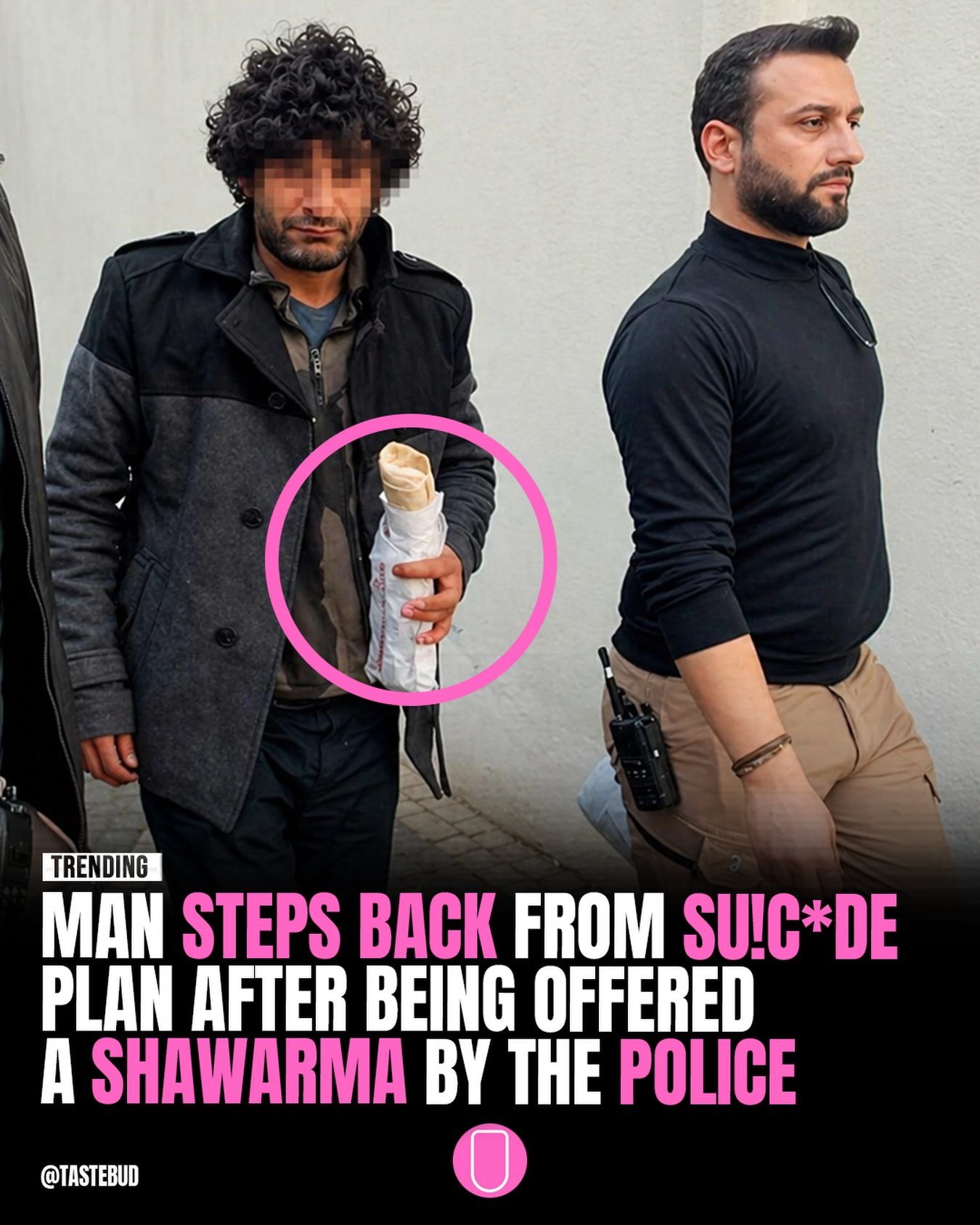
Shawarma, a popular Middle Eastern dish, is typically enjoyed as a delicious meal. However, in an unusual turn of events, a shawarma meal became a crucial tool for police officers in turkey during a crisis situation. The incident, which took place in Manavgat, showcased the power of a simple meal in building trust and de-escalating a tense situation.
Context: Why this matters
Crisis intervention tactics are a critical aspect of law enforcement. Traditional methods often involve verbal negotiation, specialized teams, and sometimes even physical restraint. However, the use of food as a tool for building trust and de-escalation is less common. The Manavgat incident demonstrates an innovative approach that might offer valuable insights for law enforcement and crisis intervention teams.
The Incident: A Hunger-Driven Crisis
The situation unfolded with a man expressing extreme hunger during negotiations. Police officers, recognizing the importance of addressing his immediate needs, decided to bring him a shawarma meal. This decision was based on the understanding that addressing basic human needs can help build trust and create a more cooperative atmosphere.
The meal arrived, and the man, who had been in a precarious situation, stepped away from the edge after receiving the shawarma. This simple act of providing food not only met his physical need but also created an emotional connection, allowing the officers to de-escalate the situation effectively.
The Power of Food in Crisis Intervention
Building Trust Through Basic Needs
Food is a universal need, and addressing this need can often bridge gaps in communication. When basic needs are met, individuals are more likely to feel understood and supported. In the case of the Manavgat incident, the shawarma meal served as a tangible act of kindness, showing the man that his well-being was a priority.
Creating a Positive Atmosphere
Crisis situations are often charged with tension and fear. By introducing a positive element, such as a meal, officers can create a more relaxed atmosphere. This change in environment can make the individual feel more at ease, reducing the likelihood of aggressive or self-destructive behaviors.
The Role of Empathy in Intervention
Empathy plays a crucial role in effective intervention. By understanding and addressing the man's hunger, the officers demonstrated empathy, which is a powerful tool in building trust. The act of providing a meal showed that the officers were not just there to enforce rules but also to support and care for the individual.
Practical Tips for Crisis Intervention
Assess Immediate Needs
Always assess the immediate needs of the individual in crisis. Basic needs such as hunger, thirst, and physical comfort should be addressed as a priority. This not only eases their discomfort but also shows that their well-being is important.
Use Food as a Tool
Food can be a powerful tool in crisis intervention. It can break down barriers, create a sense of community, and build trust. Consider using food as a means of de-escalation in appropriate situations.
Foster Empathy and Understanding
Empathy and understanding are key to effective intervention. Take the time to listen to the individual and understand their perspective. Addressing their needs with empathy can help create a cooperative atmosphere.
Important Takeaways
The Manavgat incident highlights the unexpected effectiveness of using food as a tool in crisis intervention. By addressing a man's hunger with a shawarma meal, police officers were able to de-escalate a tense situation and build trust. This unusual approach offers valuable insights into the power of empathy and the importance of addressing basic human needs.
Conclusion
The use of a shawarma meal in a crisis situation in Manavgat demonstrates the innovative and effective ways in which food can be used in crisis intervention. By addressing basic needs, fostering empathy, and creating a positive atmosphere, officers were able to de-escalate a tense situation and ensure the man's safety. This approach underscores the importance of empathy and understanding in law enforcement and crisis intervention.
Watch the Reel
Questions readers ask
Why did the police in Turkey use shawarma during a crisis situation?
The police in Turkey used shawarma as a tool for de-escalation during a tense situation in Manavgat. The goal was to address basic human needs, build trust, and foster cooperation, demonstrating an innovative approach to crisis intervention.
What makes the use of shawarma by the police in Turkey unique?
The use of shawarma by the police in Turkey is unique because it showcases an unconventional method of crisis intervention. Instead of relying solely on traditional tactics, the police used food to create a sense of familiarity and ease tension, highlighting the power of addressing basic human needs during critical situations.
What is the significance of the Manavgat incident in the context of policing?
The Manavgat incident is significant because it provides an example of how addressing human needs can aid in de-escalating tense situations. This approach offers a fresh perspective on crisis intervention, illustrating that simple, thoughtful acts can be effective in building trust and cooperation during high-stress scenarios.
How can addressing basic human needs help in crisis intervention?
Addressing basic human needs, such as providing food, can help to de-escalate a crisis by creating a sense of comfort and familiarity. This approach can make individuals feel more at ease, reduce hostility, and make them more receptive to cooperation and communication with law enforcement.
Are there other examples of police using food to de-escalate situations?
While the use of food in crisis intervention is less common, there are instances where law enforcement has utilized similar tactics. These examples underscore the potential of simple, empathetic gestures in defusing tense situations and building rapport with individuals in distress.
What traditional methods of de-escalation do police typically use?
Traditional methods of de-escalation used by police often include verbal negotiation, the deployment of specialized teams, and, in some cases, physical restraint. These methods aim to calm the situation and ensure the safety of both the officers and the individuals involved, though they may not always address the underlying needs of the individuals in crisis.
How can the public support police efforts in crisis intervention?
The public can support police efforts in crisis intervention by understanding and promoting innovative, empathetic approaches. Encouraging initiatives that address basic human needs can help build trust between the community and law enforcement, fostering a more cooperative environment during tense situations.
Related deep dives
Similar reads based on topic and creator.


Recent articles
Fresh deep dives from the latest Reels we unpacked.




Comments
Be the first to comment.