Pneumonia: What Happens Inside Your Lungs
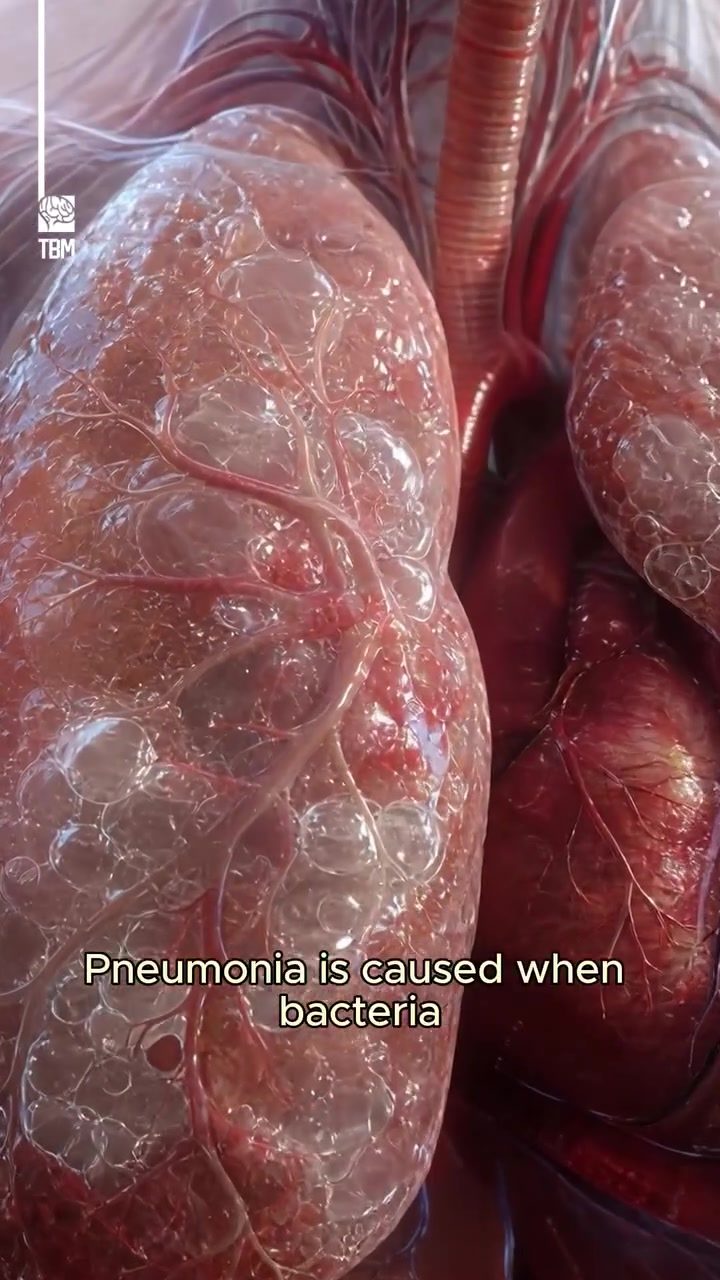
Pneumonia is a serious infection that affects the lungs, turning every breath into a struggle for survival. Understanding the microscopic battle that unfolds inside the lungs when pneumonia strikes is crucial for appreciating the urgency of timely treatment.
Why This Matters
Pneumonia can be life-threatening, especially for vulnerable individuals. It is caused by bacteria, viruses, or fungi that invade the tiny air sacs in the lungs, known as alveoli. This invasion triggers intense inflammation, filling the alveoli with fluid and pus. The body's immune response, while necessary, can damage delicate lung tissue and reduce oxygen exchange, making every breath a battle.
The Microscopic Battle
Invasion and Inflammation
Pneumonia begins when pathogens invade the alveoli, triggering a cascade of immune responses. At the molecular level, these invading pathogens activate immune cells, which release signaling molecules called cytokines. These cytokines increase blood vessel permeability, allowing white blood cells to rush to the site of infection. While this response is essential for fighting the infection, it also leads to significant inflammation.
Symptoms and Oxygen Deprivation
The immune response damages the delicate lung tissue, leading to a range of symptoms. Common signs of pneumonia include coughing, high fever, rapid breathing, and chest pain. These symptoms reflect the body's desperate attempt to clear the infection. The inflamed, fluid-filled alveoli struggle to exchange oxygen, starving tissues of the oxygen they need to function properly. This forces the heart to work harder to compensate, threatening the function of other organs.
Rapid Progression and Respiratory Failure
Pneumonia can progress rapidly, especially in vulnerable individuals such as the elderly, young children, and those with compromised immune systems. The intense inflammation can overwhelm the lungs' capacity to function, leading to respiratory failure. This is a critical stage where timely treatment becomes even more essential, as every breath compromised by inflammation brings the body closer to life-threatening collapse.
Practical Tips
Recognizing the Symptoms
Early recognition of pneumonia symptoms is crucial for timely intervention. Symptoms to watch for include:
- Coughing, often with phlegm
- High fever
- Rapid breathing or shortness of breath
- Chest pain, especially when breathing deeply
- Fatigue and general weakness
Seeking Medical Attention
If you or someone you know exhibits these symptoms, it is important to seek medical attention promptly. Early diagnosis and treatment can significantly improve outcomes and prevent complications. Medical professionals may use a combination of physical examinations, chest X-rays, and blood tests to confirm a pneumonia diagnosis.
Preventive Measures
Preventing pneumonia involves several key strategies:
- Vaccination: Getting vaccinated against pneumonia-causing bacteria and viruses can significantly reduce the risk of infection.
- Hygiene: Regular hand washing and maintaining good hygiene can help prevent the spread of infections.
- Immune Boosting: A healthy lifestyle, including a balanced diet, regular exercise, and adequate sleep, can strengthen the immune system and make it more resilient to infections.
Important Takeaways
- Pneumonia is caused by pathogens invading the alveoli, leading to intense inflammation.
- The immune response, while necessary, damages lung tissue and reduces oxygen exchange.
- Symptoms include coughing, high fever, rapid breathing, and chest pain.
- Pneumonia can progress rapidly, leading to respiratory failure if not treated promptly.
- Early recognition, timely medical intervention, and preventive measures are crucial for managing pneumonia effectively.
Conclusion
Pneumonia is a serious condition that requires immediate attention. Understanding the microscopic battle that occurs within the lungs when pneumonia strikes underscores the urgency of seeking medical help at the first signs of infection. By recognizing the symptoms, seeking prompt medical attention, and taking preventive measures, individuals can better manage this condition and improve their chances of a full recovery.
Watch the Reel
Questions readers ask
What are the initial signs of pneumonia that indicate the body is fighting an infection?
Early symptoms of pneumonia include cough, fever, and shortness of breath. These signs indicate that the body has begun to respond to the infection by triggering an immune response, which can lead to inflammation in the lungs.
How does the body's immune response to pneumonia potentially lead to complications?
The body's immune response to pneumonia, while essential for fighting the infection, can also cause significant inflammation in the lungs. This inflammation can fill the alveoli with fluid and pus, and damage lung tissue, reducing the ability to exchange oxygen efficiently, which can lead to respiratory failure if left untreated.
What types of pathogens can cause pneumonia, and how does the body's response differ?
Pneumonia can be caused by bacteria, viruses, or fungi. The body's response to these different pathogens may vary, but generally, the immune system works to fight off the invaders, leading to inflammation in the lungs. Bacterial pneumonia often requires antibiotic treatment, while viral pneumonia may resolve more quickly with supportive care.
What is the significance of increased blood vessel permeability in pneumonia?
Increased blood vessel permeability is a key part of the immune response to pneumonia. It allows immune cells and fluids to enter the lungs more easily to fight the infection. However, this can also lead to fluid buildup in the lungs, making it harder to breathe and potentially leading to rapid complications if not managed properly.
Why is timely treatment crucial for pneumonia, especially in vulnerable individuals?
Timely treatment is vital because pneumonia can quickly become life-threatening, particularly in vulnerable populations like the elderly, young children, or those with compromised immune systems. The body's immune response, while crucial, can cause rapid complications if the infection is not addressed promptly. Early intervention can help prevent severe lung tissue damage and respiratory failure.
How does pneumonia impact the body's ability to breathe normally?
Pneumonia fills the alveoli in the lungs with fluid and pus due to inflammation, reducing the available surface area for oxygen exchange. This makes it difficult for the body to absorb oxygen and expel carbon dioxide efficiently, leading to breathing difficulties and potential respiratory failure if severe.
What are the potential rapid complications that can arise from pneumonia?
Rapid complications from pneumonia can include respiratory failure, sepsis, and organ failure. These arise due to the body's intense inflammatory response, which, while fighting the infection, can also cause significant harm to lung tissue and other organs, leading to life-threatening conditions if not treated promptly.
Related deep dives
Similar reads based on topic and creator.


Recent articles
Fresh deep dives from the latest Reels we unpacked.




Comments
Be the first to comment.