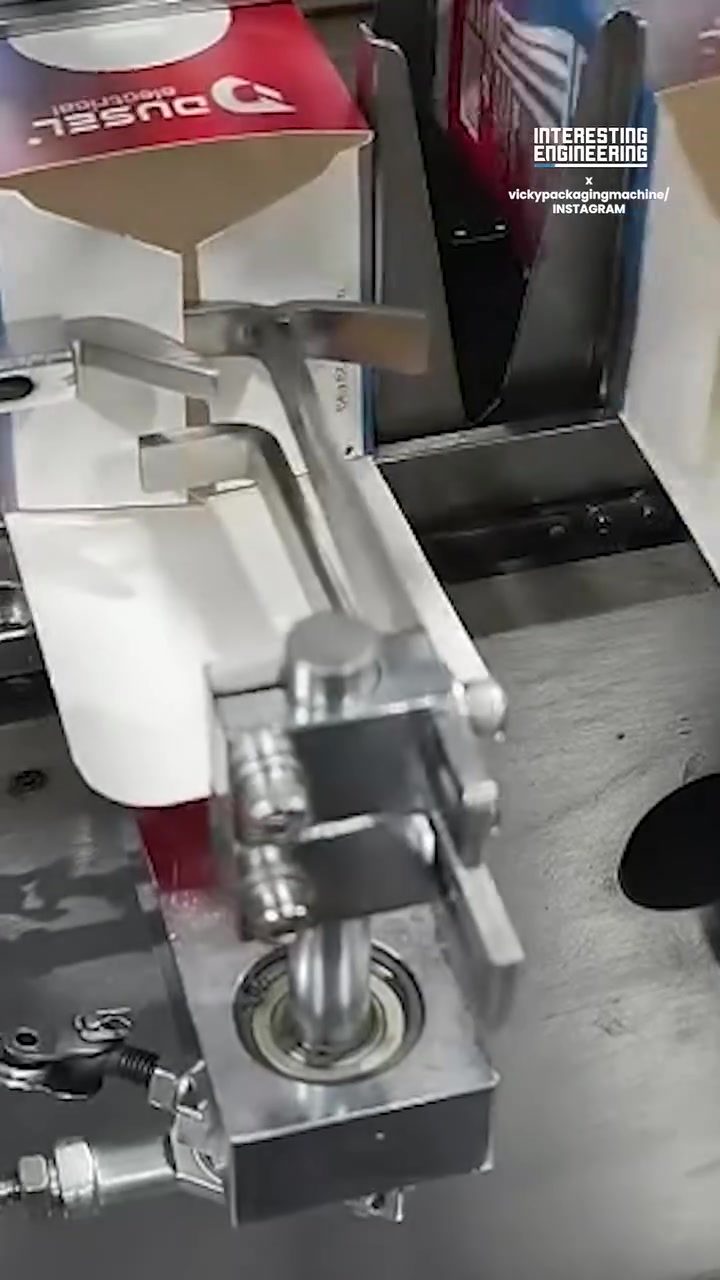
Pneumatic Cylinders: The Workhorses of Packaging Automation
Pneumatic cylinders are integral to the automated packaging processes that ensure your favorite foods reach you in pristine condition. These robust devices are the unsung heroes behind the seamless operation of packaging lines. Let's dive into the world of pneumatic cylinders, focusing on their role in carton packaging and the engineering marvels that make them indispensable.
Why This Matters
Pneumatic cylinders are pivotal in modern industrial automation, especially in the packaging sector. They provide the precise, reliable motion needed to handle and manipulate products with speed and accuracy. Understanding their function and the engineering principles behind them can offer deep insight into the efficiency of automated packaging systems.
DUSLE Pneumatic Cylinders: A Closer Look
The DUSLE pneumatic cylinder showcased in the demonstration exemplifies the precision and reliability required in automated packaging. The cylinder extends and retracts smoothly, driven by compressed air, to perform tasks such as folding carton flaps. This process is a cornerstone of automated packaging, ensuring that products are packaged securely and efficiently.
Mechanical Components
Pneumatic cylinders consist of several key components:
- Cylinder Body: The main housing that contains the piston.
- Piston: The moving part that translates the force of compressed air into linear motion.
- Piston Rod: The rod connected to the piston that extends and retracts.
- End Caps: Seal the ends of the cylinder, allowing for the connection of air inlets and outlets.
- Seals: Prevent air leakage and ensure smooth operation.
These components work in harmony to provide the necessary motion for automated tasks, such as folding carton flaps.
Precision Engineering
The precision engineering of a pneumatic cylinder is evident in its design and operation. The DUSLE cylinder, for instance, demonstrates how meticulous engineering ensures that the cylinder's movements are smooth and accurate. This precision is crucial for tasks that require exact positioning and timing, such as folding cartons on a high-speed conveyor belt.
Practical Tips for Maintaining Pneumatic Cylinders
Regular Inspection
Regular inspections are essential for maintaining the performance of pneumatic cylinders. Check for signs of wear and tear, especially on seals and piston rods. Replace worn-out parts promptly to prevent more significant issues.
Lubrication
Proper lubrication is critical for the smooth operation of pneumatic cylinders. Use the recommended lubricant for your specific cylinder model and follow the manufacturer's guidelines for application frequency.
Air Quality
The quality of the compressed air used in pneumatic cylinders significantly impacts their performance and lifespan. Ensure that the air is free from contaminants and moisture. Use air filters and dryers as necessary.
Alignment
Misalignment can cause excessive wear and tear on pneumatic cylinders. Ensure that the cylinder is properly aligned with the other components of the automated system. This includes checking the mounting points and ensuring that the piston rod is correctly aligned with the load.
Important Takeaways
- Pneumatic cylinders are essential for the precise and reliable motion required in automated packaging systems.
- The mechanical components of a pneumatic cylinder, including the piston, cylinder body, and seals, must be well-maintained for optimal performance. Proper lubrication and regular inspections are crucial.
- Precision engineering ensures that pneumatic cylinders can perform tasks like folding carton flaps with accuracy and speed.
- Regular maintenance, including lubrication and air quality checks, extends the lifespan of pneumatic cylinders and ensures they operate efficiently.
The DUSLE pneumatic cylinder is an excellent example of how advanced engineering and precision design contribute to the reliability and efficiency of automated packaging systems. By understanding the workings and maintenance requirements of these devices, we can more deeply appreciate the intricate processes that bring our favorite foods to us in perfect condition.
Watch the Reel
Questions readers ask
What are the primary functions of pneumatic cylinders in automated carton packaging?
In automated carton packaging, pneumatic cylinders are primarily used for tasks such as folding carton flaps, securing products within cartons, and manipulating packaging materials. They ensure that products are neatly and securely packaged, ready for distribution. Their precise and reliable motion is crucial for maintaining the efficiency and accuracy of packaging lines.
How do pneumatic cylinders contribute to the efficiency of packaging automation systems?
Pneumatic cylinders enhance the efficiency of packaging automation systems by providing swift, accurate, and consistent motion. They handle repetitive tasks with high precision, reducing the need for manual intervention and minimizing the risk of errors. This consistency helps in maintaining a smooth workflow, especially in high-speed packaging lines.
What role do pneumatic cylinders play in conveyor belt automation within packaging?
In conveyor belt automation, pneumatic cylinders are used to control the movement of products along the conveyor, ensuring they are correctly positioned for further processing. They can also manipulate external components, like gates or diverters, to route products to specific destinations, enhancing the overall flexibility and efficiency of the packaging line.
What are the benefits of using pneumatic actuators in packaging robotics?
Pneumatic actuators in packaging robotics provide robust, precise movement that can handle various tasks such as picking, placing, and manipulating products. They are durable, easy to maintain, and can operate in harsh environments, making them ideal for high-speed, high-volume packaging environments.
How do pneumatic cylinders assist in carton handling systems?
In carton handling systems, pneumatic cylinders are responsible for tasks such as opening and closing cartons, inserting products, and sealing the cartons. They ensure that the cartons are handled gently yet firmly, preventing damage to the products and maintaining the integrity of the packaging.
What makes pneumatic cylinders a reliable choice for packaging machinery engineering?
Pneumatic cylinders are a reliable choice for packaging machinery engineering due to their durability, precision, and ability to operate in various environments. They can withstand the rigors of continuous operation, require minimal maintenance, and can be easily integrated into complex packaging systems, making them an essential component in modern packaging machinery.
Related deep dives
Similar reads based on topic and creator.

Recent articles
Fresh deep dives from the latest Reels we unpacked.




Comments
Be the first to comment.