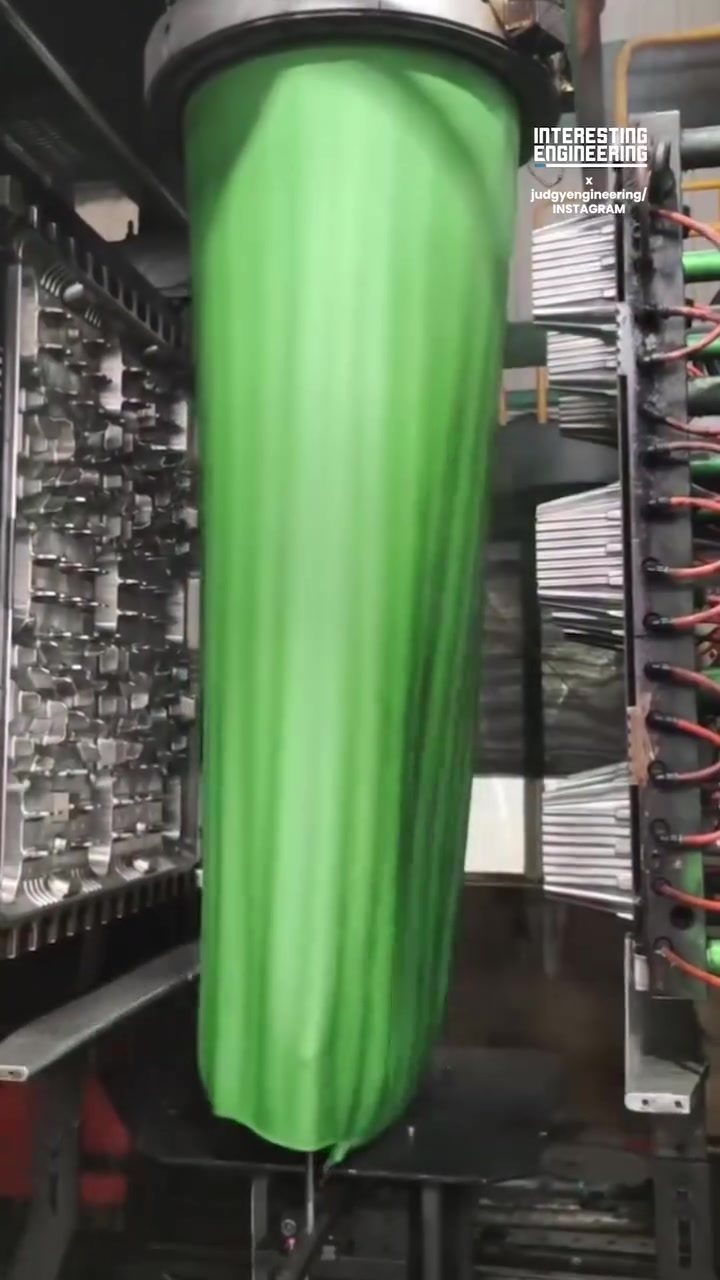
Plastic Injection Molding: Creating Hollow Products Efficiently
Plastic injection molding is a versatile manufacturing process widely used to produce a variety of hollow products, including bottles, containers, and more. This method involves injecting molten plastic into a mold, where it is inflated and shaped to create the desired form. The resulting parts often have a textured surface, adding to their durability and aesthetic appeal.
Why This Matters
The efficiency and versatility of plastic injection molding make it a cornerstone of modern manufacturing. This process is not only cost-effective but also capable of producing high volumes of identical parts quickly. Understanding how this technique works can provide insights into the production of everyday items and the innovations driving the industry forward.
The Process of Plastic Injection Molding
Molten Plastic Injection
The process begins with the preparation of molten plastic. This material is heated until it reaches a liquid state, making it malleable and easy to shape. The molten plastic is then injected into a mold under high pressure. This ensures that the plastic fills every corner and detail of the mold, creating a precise replica of the desired shape.
Inflation and Shaping
Once the molten plastic is inside the mold, it is inflated. This step is crucial for creating hollow products. The inflation process ensures that the plastic takes on the desired shape while maintaining its structural integrity. The mold acts as a container, holding the plastic in place until it cools and solidifies.
Cooling and Extraction
After the plastic has been inflated and shaped, it is left to cool. Cooling is a critical step, as it allows the plastic to harden and retain its form. Once the plastic has cooled sufficiently, the mold is opened, and the finished part is extracted. This part may have a textured surface, which can enhance its functionality and appearance.
High-Volume Production
One of the key advantages of plastic injection molding is its ability to produce high volumes of identical parts. This makes it ideal for manufacturing processes that require a large number of identical components. The efficiency of this method ensures that production can be completed quickly, reducing both time and cost.
Practical Tips for Plastic Injection Molding
Choosing the Right Material
Selecting the appropriate plastic material is essential for the success of the injection molding process. Different types of plastics have varying properties, such as strength, flexibility, and resistance to heat and chemicals. Consider the specific requirements of your product when choosing the material to ensure it meets performance and durability standards.
Designing the Mold
The design of the mold plays a crucial role in the quality of the final product. A well-designed mold ensures that the plastic fills the cavities evenly, reducing the risk of defects. It is also important to consider the cooling process, as efficient cooling can improve the overall production speed and quality.
Optimizing the Injection Process
The injection process itself can be optimized for better results. Factors such as injection pressure, temperature, and the speed of the injection can all affect the final product. Fine-tuning these parameters can help achieve a more consistent and high-quality output.
Post-Processing Techniques
After extraction, the parts may require additional processing, such as trimming excess material or polishing. These post-processing techniques can significantly enhance the final product's appearance and functionality. Ensuring that these steps are performed correctly can make a significant difference in the overall quality of the finished parts.
Important Takeaways
Efficiency and Versatility
Plastic injection molding offers an efficient and versatile method for producing a wide range of plastic parts. Its ability to create high volumes of identical components quickly makes it a valuable technique in various industries.
Quality and Precision
The precision of the mold and the careful control of the injection process ensure that the final products meet high-quality standards. This makes plastic injection molding ideal for applications where consistency and accuracy are crucial.
Sustainability Considerations
As with any manufacturing process, sustainability is an important consideration. Choosing recyclable materials and optimizing the process to reduce waste can help minimize the environmental impact of plastic injection molding.
Conclusion
Plastic injection molding is a vital manufacturing process that enables the creation of a wide range of hollow products. By understanding the steps involved, from the injection of molten plastic to the final extraction of the cooled part, we can appreciate the efficiency and versatility of this technique. Whether producing bottles, containers, or other items, plastic injection molding continues to be a cornerstone of modern manufacturing, driving innovation and productivity.
Watch the Reel
Questions readers ask
What types of products can be created using plastic injection molding?
Plastic injection molding is ideal for creating a wide range of hollow products, with a focus on bottles and containers, but it can also be used for other items like toys, automotive parts, and medical devices.
How does the plastic injection molding process work for creating containers?
The process begins with melting plastic pellets, which are then injected into a mold under high pressure. The molten plastic is then inflated, filling the mold and creating the desired shape. Once the plastic cools, the mold opens, and the finished container is ejected.
What are the advantages of using plastic injection molding for manufacturing?
Plastic injection molding offers several benefits, including cost-effectiveness, high production rates, and the ability to create complex shapes with consistent quality. It also allows for the efficient production of large quantities of identical parts.
What factors influence the cost of plastic injection molding?
The cost of plastic injection molding can vary based on several factors, including the type of plastic used, the size and complexity of the mold, the production volume, and the required surface finish. Additionally, the cost of the mold making process itself plays a significant role.
Can plastic injection molding be used for making products with intricate details?
Yes, plastic injection molding is well-suited for creating products with intricate details. The process allows for precise control over the mold design, enabling the production of parts with fine textures, complex shapes, and detailed features.
What is the typical cycle time for producing a container through injection molding?
The cycle time for producing a container through injection molding can vary, but it typically ranges from a few seconds to a couple of minutes, depending on the size and complexity of the part, as well as the type of plastic used. Faster cycle times contribute to the overall efficiency of the process.
How does the mold making process affect the final product in injection molding?
The mold making process is crucial in determining the final product's quality and consistency. A well-designed and precisely manufactured mold ensures that the molten plastic fills the mold evenly, resulting in high-quality parts with the desired shape, surface finish, and durability.
Related deep dives
Similar reads based on topic and creator.

Recent articles
Fresh deep dives from the latest Reels we unpacked.




Comments
Be the first to comment.