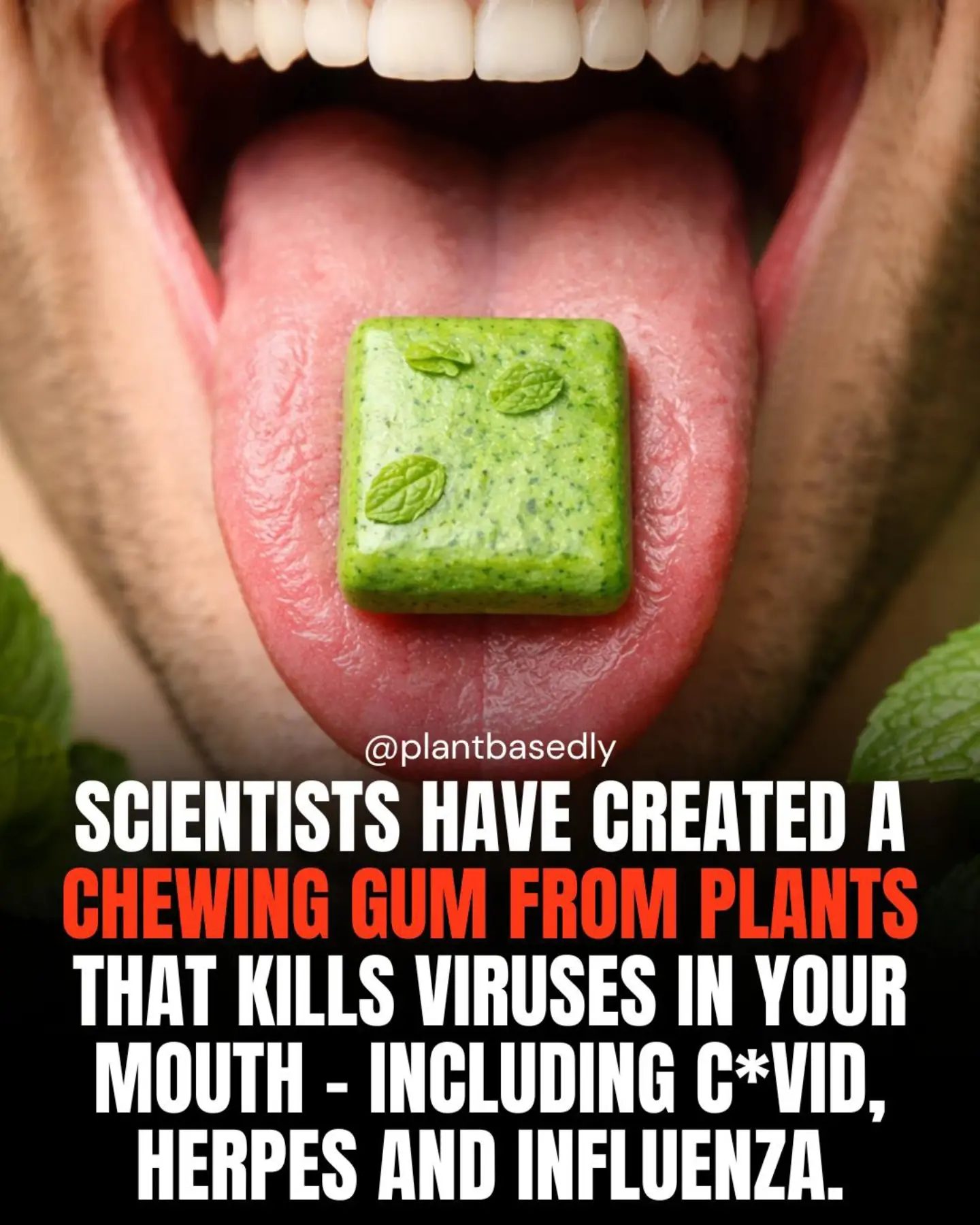
Plant-Based Gum and Viral Inhibition
The emergence of plant-based chewing gum that claims to bind and neutralize certain viruses in the mouth has garnered significant attention. This innovative product is derived from the lablab bean (Lablab purpureus), a plant that naturally contains a protein with antiviral properties. The gum, developed by scientists, has shown promising results in laboratory studies, significantly reducing detectable levels of viruses such as SARS-CoV-2, influenza, and herpes simplex in saliva.
Why This Matters
The potential of plant-based chewing gum to inhibit viruses in the mouth is a groundbreaking development in health and wellness. With the ongoing concerns about respiratory viruses and the search for effective preventive measures, this discovery offers a novel approach to reducing viral load in the oral cavity. The findings, though preliminary, open avenues for further research and potential applications in managing and preventing viral infections.
The Science Behind the Gum
The Lablab Bean and Its Properties
The lablab bean, also known as Lablab purpureus, is a legume native to Africa and Asia. It contains a unique protein that has the ability to bind to certain viruses. This protein acts as a natural inhibitor, preventing viruses from infecting cells in the mouth. By incorporating this protein into chewing gum, researchers have created a product that could potentially reduce the viral load in saliva and the oral cavity.
Laboratory Studies and Findings
Initial laboratory studies have shown that the plant-based gum significantly reduces detectable levels of viruses in saliva. Specifically, the gum has been effective against SARS-CoV-2, influenza viruses, and herpes simplex virus. These findings suggest that the gum could be a viable option for reducing the risk of transmitting these viruses through saliva.
Viral Inhibition Mechanism
The mechanism by which the gum inhibits viruses involves the binding of the plant protein to viral particles. When the gum is chewed, the protein interacts with viruses in the mouth, preventing them from adhering to and infecting cells. This binding action effectively neutralizes the viruses, reducing their ability to cause infection.
Potential Applications and Benefits
Reducing Viral Transmission
One of the most significant benefits of this plant-based gum is its potential to reduce viral transmission. By neutralizing viruses in the mouth, the gum could help lower the risk of spreading infections through saliva. This is particularly relevant for respiratory viruses like influenza and COVID-19, which are often transmitted through respiratory droplets and saliva.
Preventive Measure for Herpes
Herpes simplex virus, which causes cold sores and genital herpes, is another target for this gum. By reducing the viral load in the oral cavity, the gum could potentially help prevent outbreaks of herpes and reduce the risk of transmission to others.
Everyday Use and Practicality
While the gum is still in the experimental phase, its practical applications are promising. Chewing gum is a common and convenient habit, making it an accessible method for incorporating antiviral measures into daily routines. The gum could be used as a preventive measure in settings where viral transmission is a concern, such as healthcare facilities, schools, and public transportation.
Practical Tips
Incorporating the Gum into Daily Routine
For those interested in trying this experimental gum, it's important to follow a few practical tips:
- Consult Healthcare Providers: Before incorporating the gum into your daily routine, consult with a healthcare provider to ensure it is safe and appropriate for you, especially if you have any underlying medical conditions or allergies.
- Regular Use: To potentially benefit from the antiviral properties, consider chewing the gum regularly, especially in situations where you may be at higher risk of viral exposure, like during flu season or in crowded public places.
- Storage and Hygiene: Store the gum in a clean, airtight container to maintain its effectiveness. Avoid sharing the gum with others, as this could potentially spread viruses.
Maximizing Effectiveness
- Chewing Duration: Chew the gum for an extended period to maximize the exposure of saliva to the antiviral protein. This could enhance the gum's effectiveness in neutralizing viruses.
- Combining with Other Measures: Use the gum as part of a comprehensive approach to viral prevention. Combine it with other measures like hand washing, wearing masks, and maintaining social distancing.
Important Takeaways
- Experimental Technology: The plant-based gum is still in the experimental phase. More human clinical trials are needed to validate its effectiveness and safety in everyday use. It is not currently a proven preventive or curative measure for viruses.
- Promising Results: Laboratory studies have shown that the gum significantly reduces detectable levels of viruses in saliva, making it a promising area for further research.
- Practical Applications: The gum could be a convenient and practical addition to daily routines for reducing viral transmission, especially in settings where respiratory viruses are a concern.
- Investment in Research: Continued investment in research and clinical trials is essential to fully understand the potential of this innovative product and its applications in viral prevention.
Conclusion
Plant-based chewing gum that inhibits viruses in the mouth holds tremendous promise for reducing the risk of viral transmission and managing infections. While more research is needed to fully understand its effectiveness and safety, the initial findings are encouraging. As this experimental technology advances, it could become a valuable tool in the fight against viral infections, providing a practical and accessible method for preventing the spread of viruses like COVID-19, influenza, and herpes.
Watch the Reel
Questions readers ask
What makes plant-based gum derived from the lablab bean effective against viruses?
The lablab bean contains a specific protein with natural antiviral properties. This protein is engineered into the gum, allowing it to bind and neutralize viruses in the mouth, such as SARS-CoV-2, influenza, and herpes simplex.
How does chewing this plant-based gum help reduce the risk of infection?
By chewing the gum, the antiviral proteins are released into the saliva. These proteins work to reduce the viral load in the mouth, potentially lowering the risk of infection by minimizing the amount of virus that could be inhaled or swallowed.
Which viruses has this plant-based gum shown effectiveness against?
Laboratory studies have demonstrated that the gum is effective against several viruses, including SARS-CoV-2 (the virus that causes COVID-19), influenza, and herpes simplex.
Can this gum be used as a preventive measure against respiratory viruses?
While the gum shows promise in reducing viral load in the mouth, it is not a replacement for vaccines or other preventive measures. However, it could be used alongside these measures to potentially enhance protection against respiratory viruses.
How does the lablab bean gum work to inhibit viruses in the mouth?
The gum works by binding to the viruses present in the mouth, neutralizing their ability to infect cells. This process reduces the amount of active virus in the saliva, which may help decrease the likelihood of infection.
Can anyone use this plant-based gum to reduce the virus load in their saliva?
While the gum is a promising innovation, it is essential to consult with a healthcare provider before use, especially for individuals with specific health conditions or those taking medications. It should be used as part of a broader approach to viral prevention.
What are the benefits of using a natural antiviral gum like the lablab bean gum?
The primary benefit is the natural approach to viral prevention. By using a product derived from plants, individuals can harness the power of natural antiviral properties to potentially reduce their risk of viral infections without relying solely on synthetic compounds.
Related deep dives
Similar reads based on topic and creator.




Recent articles
Fresh deep dives from the latest Reels we unpacked.




Comments
Be the first to comment.