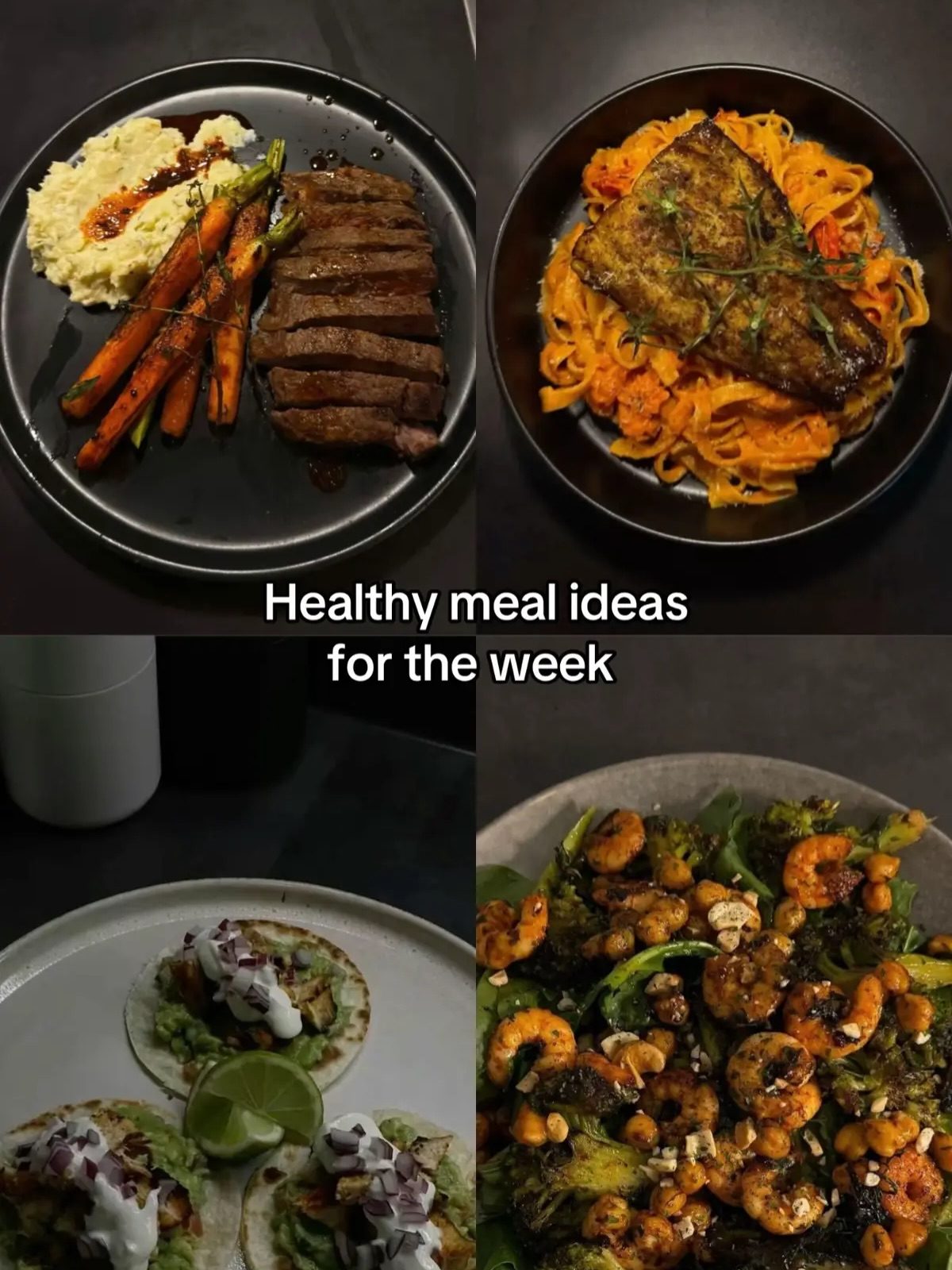
Healthy Meal Ideas
Eating healthy doesn't have to be boring; it just needs to be intentional. Consistency, purposeful choices, and structured meal planning can lead to significant results. Let's explore how to create a balanced meal plan that keeps you fuelled and satisfied throughout the week.
Why This Matters
In today's fast-paced world, maintaining a balanced diet can be challenging. However, by incorporating healthy meal ideas into your daily routine, you can significantly improve your overall well-being. The benefits of a balanced diet include increased energy, better focus, and enhanced mood. Moreover, a well-structured meal plan can help you maintain a healthy weight, reduce the risk of chronic diseases, and support your fitness goals.
Variety and Balance
Breakfasts that Fuel Your Morning
Start your day with a nutritious breakfast that includes a mix of protein, fiber-packed carbs, and healthy fats. This combination will keep you energized and focused throughout the morning. Some healthy breakfast options include:
- Oatmeal with Berries and Nuts: Oats are rich in fiber and antioxidants, while berries provide essential vitamins and minerals. Nuts add a dose of healthy fats and protein.
- Greek Yogurt with Granola: Greek yogurt is high in protein and probiotics, while granola adds crunch and fiber. Top it off with fresh fruits for added nutrients.
- Scrambled Eggs with Spinach and Whole-Grain Toast: Eggs are a great source of protein, and spinach provides iron and vitamins. Whole-grain toast offers fiber and complex carbohydrates.
Lunches that Keep You Sharp
Lunches should be designed to keep your energy levels steady and your mind sharp. Opt for meals that are rich in protein and vegetables. Some lunch ideas include:
- Grilled Chicken Salad: Grilled chicken is a lean protein source, and a variety of vegetables will provide essential vitamins and minerals.
- Quinoa and Vegetable Bowl: Quinoa is a high-protein grain, and a mix of colorful vegetables will ensure you get a wide range of nutrients.
- Tuna Salad with Whole-Grain Bread: Tuna is rich in omega-3 fatty acids, and whole-grain bread offers fiber and complex carbohydrates.
Snacks that Prevent Cravings
Snacking can be a healthy part of your diet if you choose the right options. Snacks should be nutrient-dense and satisfying. Some snack ideas include:
- Fresh Fruit and Nuts: Fresh fruit provides vitamins and fiber, while nuts offer healthy fats and protein.
- Veggie Sticks with Hummus: Veggies are packed with vitamins and minerals, and hummus adds protein and healthy fats.
- Greek Yogurt with a Spoonful of Honey: Greek yogurt provides protein and probiotics, while honey adds natural sweetness and antioxidants.
Dinners that Actually Satisfy
Dinners should be satisfying and nutritious, providing a balance of protein, vegetables, and healthy fats. Some dinner ideas include:
- Baked Salmon with Quinoa and Steamed Broccoli: Salmon is rich in omega-3 fatty acids, quinoa offers protein and fiber, and broccoli provides essential vitamins and minerals.
- Stir-Fried Tofu with Vegetables: Tofu is a versatile protein source, and a variety of vegetables will add color and nutrients to your meal.
- Lentil Soup with a Side Salad: Lentils are high in protein and fiber, and a side salad adds freshness and vitamins.
Balanced Meal Components
A balanced meal should include protein, fiber-packed carbs, and healthy fats. Ensuring that every meal has these components can help you stay full, reduce cravings, and maintain energy levels.
- Protein: Protein is essential for muscle repair and growth. Opt for lean sources like chicken, fish, tofu, and legumes.
- Fiber-Packed Carbs: Whole grains, fruits, and vegetables are rich in fiber, which supports digestion and promotes feelings of fullness.
- Healthy Fats: Healthy fats from avocados, nuts, and olive oil support brain function and heart health.
Practical Tips
Creating a balanced meal plan doesn't have to be complicated. Here are some practical tips to help you get started:
- Plan Ahead: Set aside time each week to plan your meals and snacks. This will save you time and ensure you have healthy options on hand.
- Prep in Advance: Prepare ingredients or entire meals in advance to save time during the week. This can include chopping vegetables, cooking grains, or portioning out snacks.
- Keep It Simple: Focus on simple, whole foods. Complex recipes and ingredient lists can be overwhelming and time-consuming.
- Stay Hydrated: Drink plenty of water throughout the day to support digestion and overall health.
- Listen to Your Body: Pay attention to your hunger and fullness cues. Eat when you're hungry and stop when you're full to avoid overeating.
Important Takeaways
Healthy meal ideas can significantly improve your overall well-being by providing the nutrients your body needs to function optimally. Consistency and structure are key to maintaining a balanced diet. By incorporating a variety of nutritious foods and planning your meals in advance, you can create a sustainable meal plan that supports your health and fitness goals.
Conclusion
Healthy eating doesn't have to be complicated or boring. By focusing on intentional, balanced meals, you can fuel your body, maintain your energy, and support your overall health. Start with small changes and build a structure that works for you. Consistency and purposeful choices will lead to significant results over time.
Watch the Reel
Questions readers ask
How do I start with healthy meal planning for the week?
Begin by setting aside time each week to plan your meals. Consider your schedule and choose a mix of meals that include lean proteins, whole grains, and plenty of fruits and vegetables. Include healthy snacks like nuts or yogurt to keep you satisfied between meals.
What are some balanced meal ideas for lunch?
Opt for meals that combine lean proteins like chicken or tofu with fiber-rich carbohydrates such as quinoa or brown rice, and a side of vegetables. Salads with grilled proteins and whole-grain wraps are also excellent choices. For example, a turkey and avocado wrap with a side of carrot sticks.
How can I ensure my dinners are both healthy and satisfying?
Focus on balanced meals that include a source of healthy protein, complex carbohydrates, and a variety of colorful vegetables. For instance, a baked salmon fillet with a side of sweet potato and steamed broccoli. Experiment with different herbs and spices to keep dinners interesting.
What are some nutritious snacks to keep me on track?
Choose snacks that are high in protein and fiber to keep you feeling full and energized. Examples include a handful of almonds, Greek yogurt with berries, or apple slices with peanut butter. Staying away from processed foods can help maintain a healthier diet.
How can I incorporate healthy protein sources into my meal plan?
Include a variety of protein sources such as lean meats, fish, eggs, legumes, and plant-based options like tofu and tempeh. Aim for at least one serving of protein in each meal and snack. For example, add chickpeas to your salad or have a hard-boiled egg as a mid-afternoon snack.
What are some healthy carbohydrate options for meal planning?
Opt for complex carbohydrates like whole grains, fruits, and starchy vegetables. These foods provide sustained energy and are rich in fiber. Examples include brown rice, whole-wheat bread, sweet potatoes, and quinoa. Avoid refined carbohydrates like white bread and sugary cereals.
Recent articles
Fresh deep dives from the latest Reels we unpacked.




Comments
Be the first to comment.