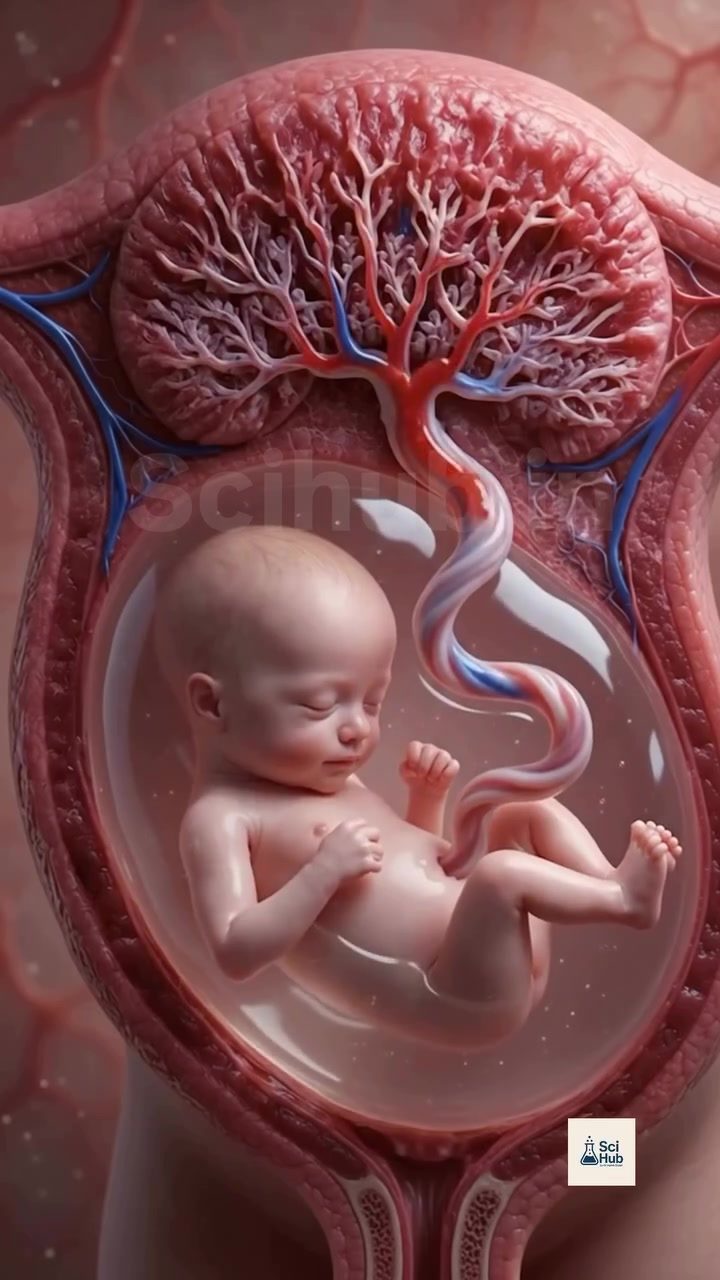
The Placenta: A Paragon of Nature's Engineering
The placenta is a remarkable organ that develops during pregnancy, serving as the lifeline for a fetus. This temporary organ is crucial for supporting the growth and development of a baby for approximately nine months. Understanding the placenta's functions and the intricate processes it facilitates provides a deeper appreciation for the complexities of human biology.
Why This Matters
The placenta’s role in fetal development is often overlooked, yet it is essential for a healthy pregnancy. By delivering oxygen and essential nutrients, removing waste products, and producing critical hormones, the placenta ensures that the developing baby can thrive. This organ exemplifies the remarkable biological mechanisms that support new life.
The Role of the Placenta
The placenta is often referred to as the "tree of life" for its critical role in sustaining the fetus. It performs several key functions:
Nutrient and Oxygen Delivery
The placenta delivers oxygen and essential nutrients to the fetus through the umbilical cord. This rich supply of nutrients and oxygen is vital for the growth and development of the baby's organs and tissues. The placenta ensures that the fetus receives a steady flow of these critical elements, which are necessary for cellular function and overall health.
Waste Removal
In addition to delivering nutrients, the placenta also removes carbon dioxide and other waste products from the fetus's bloodstream. This continuous process of waste removal is essential for maintaining the internal environment of the fetus. By expelling waste products, the placenta helps the fetus avoid the buildup of harmful substances that could compromise its health.
Antibody Transfer
One of the placenta’s most notable functions is its ability to transfer protective antibodies from the mother to the baby. This transfer of immunity provides the fetus with essential defenses against infections and diseases, offering protection during the early stages of life. This immunological transfer is a crucial aspect of the placenta's role in ensuring the baby's health and well-being.
Hormone Production
The placenta also produces various hormones that support a healthy pregnancy. These hormones play a vital role in maintaining the pregnancy, regulating the mother's metabolism, and preparing her body for childbirth. The production of these hormones is essential for the successful development of the fetus and the smooth progression of the pregnancy.
Separate Circulations
A critical aspect of the placenta's function is the separation of the mother's and fetus's blood circulations. While the placenta allows for the exchange of oxygen, nutrients, and waste products, it ensures that the mother's and baby's blood do not mix directly. This separation is critical for preventing the transfer of harmful substances and maintaining the health of both the mother and the fetus.
The Umbilical Cord
The umbilical cord is a vital component of the fetal development process. It connects the placenta to the fetus, carrying oxygen-rich blood from the placenta to the developing organs. This continuous flow of blood is essential for the growth and function of the baby's organs and tissues.
The umbilical cord also facilitates the exchange of nutrients and waste products, ensuring that the fetus has everything it needs to grow and develop. The intricate network of blood vessels within the umbilical cord supports this essential exchange, making it a crucial lifeline for the fetus.
Practical Tips
Pregnancy is a delicate and complex process, and understanding the placenta's role can provide valuable insights for expectant parents. Here are some practical tips to support a healthy pregnancy:
Regular Prenatal Care
Regular prenatal check-ups are essential for monitoring the health of both the mother and the fetus. These check-ups allow healthcare providers to assess the placenta's function and ensure that the fetus is receiving the necessary nutrients and oxygen.
Healthy Diet and Lifestyle
Maintaining a balanced diet and a healthy lifestyle is crucial during pregnancy. Eating a variety of nutrient-rich foods and staying physically active can support the development of the placenta and ensure that the fetus receives the necessary nutrients for growth.
Avoiding Harmful Substances
Pregnant women should avoid exposure to harmful substances, such as alcohol, tobacco, and certain medications. These substances can negatively impact the placenta's function and compromise the health of the fetus.
Staying Hydrated
Adequate hydration is essential during pregnancy. Drinking plenty of water helps maintain the amniotic fluid levels, which are crucial for the baby's development and the placenta's function.
Managing Stress
Managing stress levels is important for both the mother's and the baby's well-being. High stress levels can impact the placenta's function and the overall health of the pregnancy. Practicing relaxation techniques, such as meditation or prenatal yoga, can help manage stress effectively.
Important Takeaways
The placenta is a truly extraordinary organ that plays a pivotal role in fetal development. By understanding its functions and the intricate processes it facilitates, we can gain a deeper appreciation for the complexities of human biology and the remarkable mechanisms that support new life.
The Placenta's Multifaceted Role
The placenta's role extends beyond nutrient and oxygen delivery; it also involves waste removal, antibody transfer, and hormone production. These multifaceted functions are essential for the health and development of the fetus.
The Importance of Separate Circulations
The separation of the mother's and baby's blood circulations is a critical aspect of the placenta's function. This separation ensures that harmful substances do not pass from the mother to the fetus, maintaining the health of both.
The Umbilical Cord's Lifeline Function
The umbilical cord serves as a lifeline for the fetus, carrying oxygen-rich blood and nutrients from the placenta to the developing organs. This continuous flow of blood is essential for the growth and function of the baby's organs and tissues.
Conclusion
The placenta is a testament to the wonders of nature's engineering. Its multifaceted functions and the intricate processes it facilitates are essential for a healthy pregnancy. By understanding the placenta's role, we can appreciate the remarkable biological mechanisms that support new life and ensure the well-being of both the mother and the fetus.
Watch the Reel
Questions readers ask
What are the primary functions of the placenta during pregnancy?
The placenta serves multiple crucial functions. It delivers oxygen and essential nutrients to the fetus, removes waste products like carbon dioxide, and produces hormones that support pregnancy, such as human chorionic gonadotropin (hCG) and progesterone. Additionally, it acts as a barrier to protect the fetus from potential harmful substances and transfers antibodies from the mother to the fetus.
How does the placenta support fetal development during the nine months of pregnancy?
The placenta supports fetal development by ensuring a steady supply of oxygen and nutrients, facilitating the transfer of maternal antibodies to boost the fetus's immune system, and maintaining hormonal balance. It also plays a key role in the regulation of blood flow between the mother and the fetus, optimizing conditions for the baby's growth and development.
What happens to the placenta after the baby is born?
After childbirth, the placenta is expelled from the mother's body, a process known as delivery of the placenta or the third stage of labor. It is an essential component of the mother and baby's transition to independent living. It is typically discarded as medical waste, but in some cultures, it is preserved or used for various purposes, such as umbilical cord banking or burial.
How does the placenta contribute to the mother-baby bond?
The placenta is vital for establishing the mother-baby bond. It facilitates the exchange of hormones, such as oxytocin, which promotes bonding and milk production. Additionally, the placenta's transfer of antibodies and other immune factors to the fetus helps protect the baby from infections and diseases, setting a foundation for the mother's nurturing role in the baby's life.
What are the consequences of placental dysfunction during pregnancy?
Placental dysfunction can lead to various complications, including preterm birth, intrauterine growth restriction (IUGR), and even fetal demise. It can also result in maternal health issues, such as preeclampsia and gestational diabetes. Regular prenatal checkups and monitoring can help detect and manage these issues, ensuring a healthier pregnancy and baby development.
How does the placenta regulate blood circulation between the mother and the fetus?
The placenta regulates blood circulation through a network of blood vessels that connect the mother's uterus and the fetus. The mother's blood flows into the intervillous space, where it surrounds the placental villi, allowing for the exchange of gases, nutrients, and waste. The fetus's blood flows through the umbilical cord, ensuring a continuous supply of oxygen and nutrients while removing waste.
What essential nutrients does the placenta supply to the fetus?
The placenta supplies a range of essential nutrients to the fetus, including glucose, amino acids, fatty acids, vitamins, and minerals. It selects and transports these nutrients from the mother's bloodstream, ensuring that the developing baby receives the necessary building blocks for growth and development. The placenta also stores and releases nutrients as needed to meet the fetus's changing demands.
Related deep dives
Similar reads based on topic and creator.


Recent articles
Fresh deep dives from the latest Reels we unpacked.




Comments
Be the first to comment.