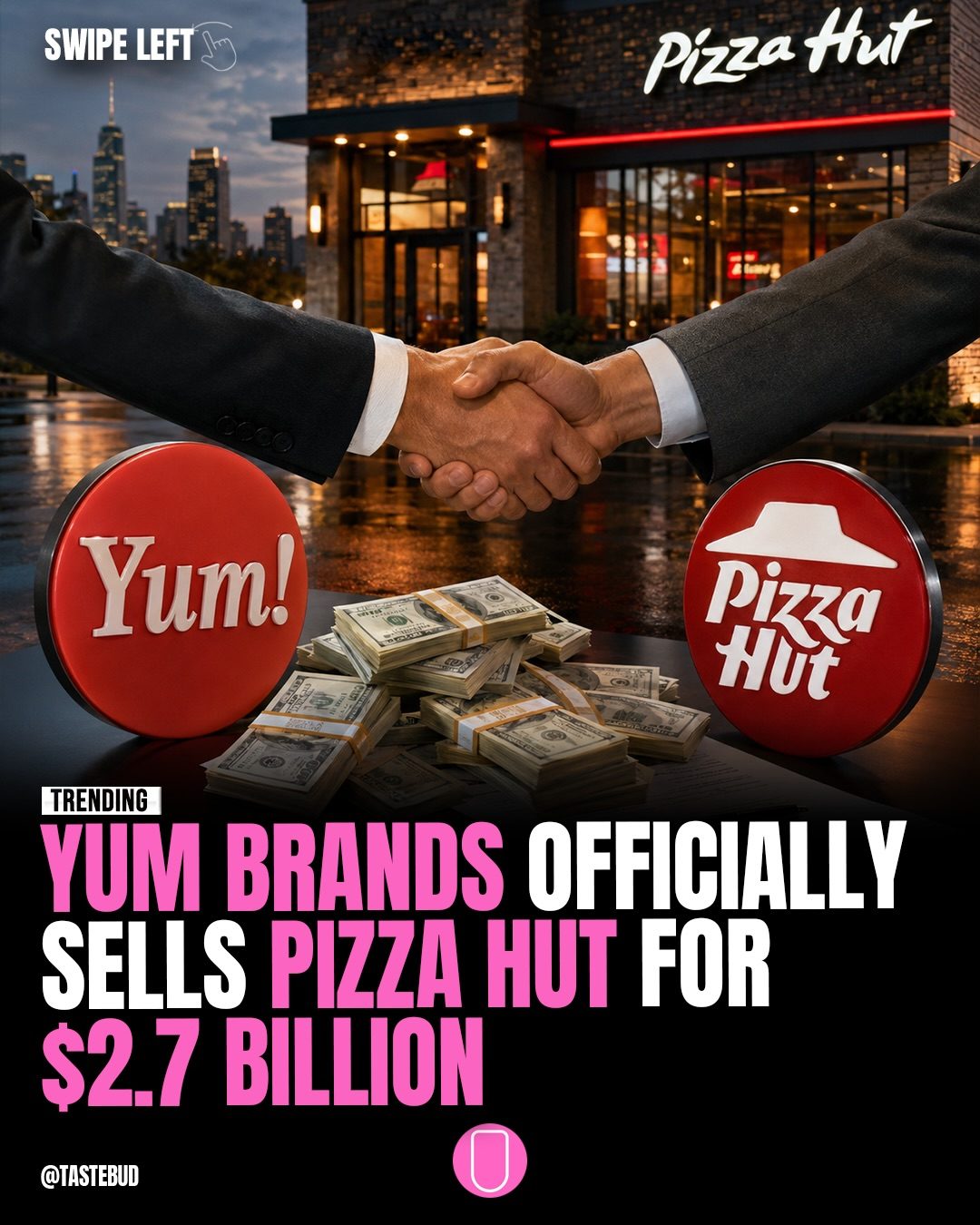
Divesting Pizza Hut: Yum Brands' Strategic Shift
Yum Brands has made a bold move to streamline its portfolio by selling Pizza Hut for $2.7 billion. The deal involves Yum China acquiring Pizza Hut's mainland China business for $1.2 billion, while Longrange Capital picks up the rest of Pizza Hut's international operations for $1.5 billion. This strategic reshuffling frees up Yum Brands to focus more intently on its other major brands, KFC and Taco Bell. Meanwhile, KFC will finally become the top priority after the massive deal occurred. This is a play by Allison, McDaniel, and Yum Brands. US-based Yum Brands will sell Pizza Hut for $2.7 billion but keep most of the Taco Bells and KFCs that it has.
How the new Pizza Hut acquisitions shape the market
No single entity will control the entire Pizza Hut network. Instead, the market will see a bifurcation, with Yum China owning Pizza Hut in mainland China and Longrange Capital operating the brand in the rest of the world. The splintered ownership reflects a broader trend: Single-country chains are easier to operate, and the fragmented market allows for tailored strategies. Pizzerias are popular in China overall, but Pizza Hut doesn't particularly shine in China. Pizza Hut's market performance was especially disappointing in this region. This deal allows Yum China to buy Pizza Hut in China, which has a mainland market of over 1,000 restaurants. To Yum Brands, Pizza Hut is less attractive and less profitable than its other brands. Selling Pizza Hut to Longrange Capital will prove to be a successful strategy. Yum China has already been the operator of Pizza Hut in China for some time, so the sale will likely seem like a seamless transition.
Longrange Capital's Pizza Hut: A New Era
With the acquisition completed, Longrange Capital can now set its own strategy for Pizza Hut outside of China. But this was no simple practical solution. The company can focus on streamlining Pizza Hut's operations in these markets. For example, it might seek to reduce Pizza Hut's current expense. This is a business deal where Pizza Hut has a ton of expenses that they can't account for. To make Pizza Hut successful, you need to analyze what made Taco Bell successful and KFC successful. KFC built a winning strategy of selling fried chicken, something they were good at, and they were able to sell in-front-of the audience. Longrange Capital's experience in private equity and its interest in consumer goods gives it the potential to revitalize the brand. Pizza Hut is another brand with a seamless transition in the Yum Brands ecosystem that was a win-win. The acquisition by KFC and pizza is only one part of the entire Pizza Hut deal.Yum Brands will still own the franchise rights of Pizza Hut. From a financial perspective, the acquisition can be thought of as the sale of franchises.
Pizza Hut is about to become even more independent
Arguably, Pizza Hut’s independence mirrors the current trend of restaurant brands. In some ways, this trend is similar to the way restaurant franchises operate. In the past, the focus was on establishing a brand identity and focusing on dishes that were efficient to produce. Pizza Hut's future also remains to be seen, but it will likely be a different enterprise than it has been in the past. They will be their own brand, allowing them to pursue their own ideas, without Yum Brands' oversight.
Watch the Reel
Related deep dives
Similar reads based on topic and creator.

Recent articles
Fresh deep dives from the latest Reels we unpacked.



Comments
Be the first to comment.