Pinworm Infection: The Silent Spread and Prevention
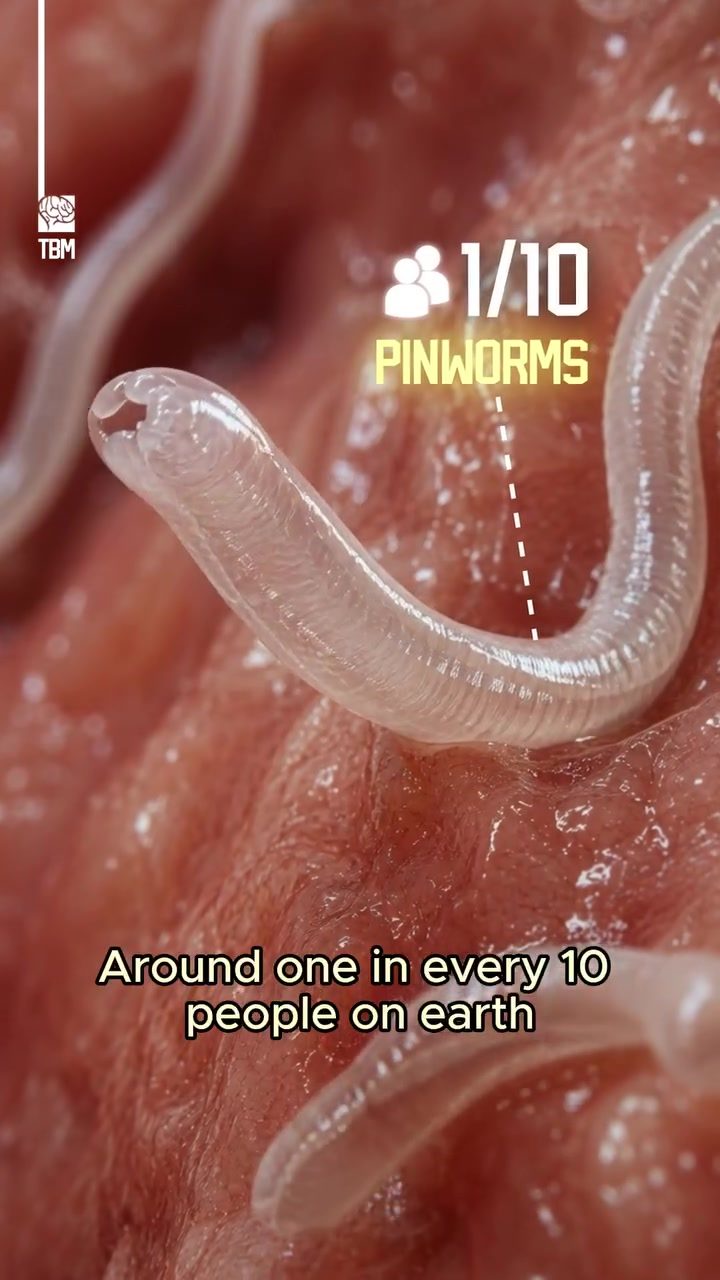
Pinworm, medically known as Enterobiasis, is a prevalent parasitic infection that affects nearly one in 10 people worldwide. This infection causes intense itching and discomfort, especially in children. Let's explore the lifecycle, symptoms, and prevention methods of pinworm infections.
Context: Understanding Parasitic Infections
Pinworm infections are one of the most common parasitic infections in the world, second only to malaria. Pinworms are tiny, white, thread-like worms that live in the colon and rectum. The infection spreads when microscopic eggs are swallowed, often through contaminated hands, surfaces, or objects. Pinworms thrive in environments where hygiene practices are not adequately followed, making them prevalent in communities, schools, and households where cleanliness is compromised.
The Lifecycle of Pinworms
Pinworm infections begin innocuously, often going unnoticed for a while. Here’s a closer look into the lifecycle of pinworms:
Ingestion and Growth
The lifecycle of a pinworm infection starts when microscopic eggs are ingested. This happens through:
- Contaminated hands: The eggs are often found on surfaces that have been touched by infected individuals who did not wash their hands after scratching the affected area.
- Contaminated surfaces: Doorknobs, toys, and bedding are common carriers of pinworm eggs.
- Contaminated objects: Shared items like utensils, towels, and clothing can also spread the infection.
Once ingested, the eggs travel to the small intestine, where they hatch into larvae. These larvae then migrate to the large intestine, where they mature into adult worms. The entire process from ingestion to maturity takes about two to three weeks.
Egg Laying and Itching
Adult female pinworms have a peculiar behavior: they lay their eggs around the anus, typically at night. This nocturnal activity causes intense itching, which can be discomforting. The itching is a result of the worms moving around the anal area, laying their eggs, and the body's response to the presence of the foreign invaders.
Spread Through Scratching
The intense itching often leads to scratching, which inadvertently spreads the eggs. When a person scratches the infected area, the eggs can get trapped under the fingernails. These eggs can then be transferred to other surfaces, objects, and even to the mouths of others, thus perpetuating the cycle of infection. This is why hand hygiene and cleanliness are critical in preventing the spread of pinworms.
Practical Tips for Prevention and Treatment
Pinworm infections can be effectively managed and prevented with a few straightforward practices:
Maintain Good Hygiene
Good hygiene is the first line of defense against pinworm infections. Here are some practical tips:
- Wash hands frequently: Ensure that everyone in your household washes their hands thoroughly with soap and water, especially before eating and after using the toilet. Teach children to wash their hands properly and make it a habit.
- Trim nails regularly: Keeping fingernails short and clean can help prevent the eggs from getting trapped under the nails and spreading to other surfaces.
- Avoid scratching: As hard as it may be, try to avoid scratching the anal area. If itching is intense, use a damp cloth to soothe the area without scratching.
Keep Your Environment Clean
Cleanliness extends beyond personal hygiene. Keeping your living environment clean is equally important:
- Change bedding regularly: Bed linens should be changed and washed in hot water every week. This helps kill any eggs that may be present.
- Disinfect surfaces: Use disinfectants to clean common surfaces like doorknobs, light switches, and toys. This reduces the risk of reinfection.
- Wash clothes in hot water: Ensure that all clothing, especially undergarments, is washed in hot water to kill any eggs.
Proper Treatment
Treating pinworm infections usually involves medication and strict hygiene practices. Common treatments include:
- Anti-parasitic medications: Medications like pyrantel pamoate, mebendazole, or albendazole are typically prescribed. These drugs work by paralyzing the worms, causing them to pass out of the body through the stool.
- Repeat dosage: Often, a second dose is recommended after two weeks to eliminate any newly hatched worms that may have survived the initial treatment. It's crucial to follow the doctor’s instructions carefully.
- Treat the whole household: Even if only one person is infected, it's often recommended to treat the entire household to prevent reinfection. This approach ensures that all potential carriers are treated, breaking the cycle of infection.
When to See a Doctor
While pinworm infections are generally not serious, it's essential to seek medical attention if you or a family member experience any of the following:
- Persistent itching: If the itching is severe and persistent, despite adhering to hygiene practices and treatment.
- Abdominal pain or vomiting: These symptoms, while rare, can indicate a more severe infection or complication.
- Infection recurrence: If the infection recurs frequently, it may be necessary to re-evaluate hygiene practices and consider other potential sources of reinfection.
Important Takeaways
Pinworm infections are a common health issue, especially among children. Understanding the lifecycle and transmission of these parasites is the first step in prevention. By maintaining good hygiene, keeping your environment clean, and following proper treatment protocols, you can effectively manage and prevent pinworm infections. Regular hand washing, clean bedding, and timely medication are key to eliminating these parasites completely.
Conclusion
Pinworm infections are a nuisance but are manageable with the right practices. By adhering to good hygiene, keeping your surroundings clean, and seeking medical treatment when necessary, you can protect yourself and your family from these tiny, yet troublesome, parasites.
Watch the Reel
Questions readers ask
How do pinworms spread so easily, especially among children?
Pinworms spread through contaminated surfaces and objects. Children are particularly susceptible because they often touch contaminated surfaces, then put their fingers in their mouths or touch food. Additionally, pinworm eggs can become airborne and be inhaled, further aiding their spread.
What are the most common symptoms of a pinworm infection?
The most common symptom of a pinworm infection is intense anal itching, especially at night. Some people may also experience discomfort, restlessness, and even irritation of the skin around the anus. Children may exhibit signs of irritability and discomfort, especially at night, though some infections may not present any symptoms at all.
What are the first steps to take if pinworm infection is suspected?
If a pinworm infection is suspected, the first step is to consult a healthcare provider. They may recommend a simple tape test to confirm the presence of pinworm eggs. This involves placing a piece of transparent tape around the anus early in the morning to collect any eggs present. If the test is positive, your doctor will likely prescribe an appropriate antiparasitic medication.
How can reinfection be prevented when treating a pinworm infection?
To prevent reinfection, it is crucial to maintain excellent hygiene practices. This includes washing hands thoroughly with soap and warm water, especially after using the restroom, changing diapers, or handling items that have been in contact with the anus. Additionally, keep fingernails short and clean, and avoid scratching the anal area. Also, disinfect surfaces and objects that may have come into contact with the eggs.
How long will it take to fully recover from a pinworm infection?
With proper treatment, the pinworm infection should clear up within a few days. However, it can take up to three weeks for the worm to die and the itching to stop. It’s important to follow the full course of medication prescribed by your doctor, even if symptoms disappear, to ensure complete eradication of the pinworms. Additionally, maintaining good hygiene practices will help prevent reinfection.
Can adults also get pinworm infections, or is it only a concern for children?
While pinworms are indeed more common in children, adults can also get infected. This often happens through close contact with an infected child, such as in families or caretakers. The infection can spread through contaminated surfaces, objects, or from person to person, making it important for everyone in the household to follow good hygiene practices to prevent the spread of the infection.
What are the best ways to prevent a pinworm infestation in a household?
To prevent a pinworm infestation, maintain strict hygiene practices. This includes washing hands frequently, keeping fingernails short and clean, and regularly cleaning and disinfecting surfaces, particularly in the bathroom and kitchen. Also, avoid sharing personal items like towels, bedding, or clothing. Regularly launder bedding and clothing in hot water to kill any potential eggs. Additionally, teach children about good hygiene habits to minimize the risk of infection.
Related deep dives
Similar reads based on topic and creator.


Recent articles
Fresh deep dives from the latest Reels we unpacked.




Comments
Be the first to comment.