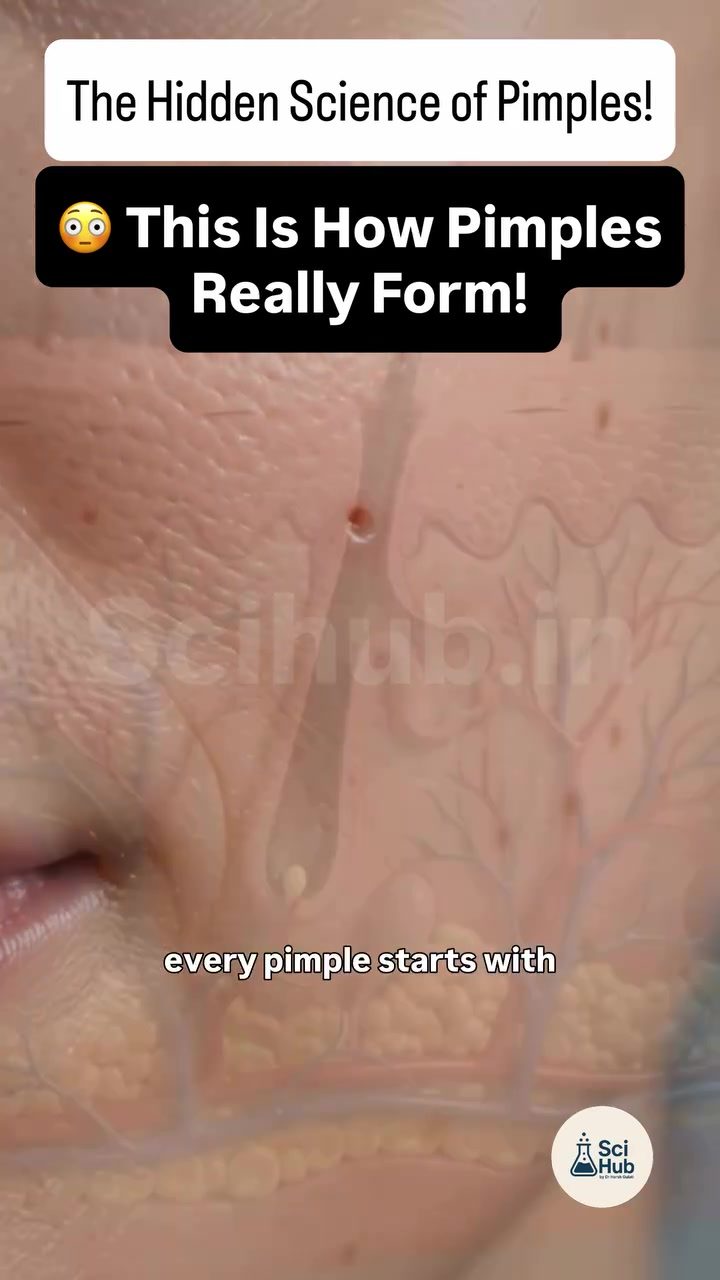
Pimple Formation: The Science Behind breakouts
Pimples are a common skin concern, but understanding the process behind their formation can help in managing and preventing them. Pimples don't appear overnight; they begin deep beneath the skin when a tiny pore becomes blocked with natural oil and dead skin cells.
Why This Matters
Pimples are more than just a nuisance; they can affect self-esteem and confidence. Understanding the science behind pimple formation can help in making informed skincare choices and managing breakouts more effectively. By knowing what happens beneath the skin, you can better address the root causes of acne and choose products that target these issues.
The Science Behind Pimple Formation
The Role of Sebum
Every pimple starts with a healthy skin pore. Beneath the skin, oil glands produce a natural oil called sebum. This oil travels through the pore to keep the skin soft, protected, and healthy. Sebum plays a crucial role in maintaining the skin's barrier function, preventing it from drying out, and protecting it from environmental stressors.
The Blockage Begins
Sometimes, dead skin cells mix with the skin's natural oil and block the pore. This blockage traps the oil beneath the surface, creating an ideal environment for a pimple to begin. The trapped oil can lead to the formation of a micro-comedone, a small, invisible plug that forms the basis for a pimple.
Bacteria and Inflammation
When a pore becomes blocked, bacteria, particularly Propionibacterium acnes (P. acnes), can begin to grow inside. This bacterium thrives in the oxygen-poor environment of the blocked pore and feeds on the trapped sebum. As bacteria multiply, the immune system responds by sending white blood cells to the area. This immune response causes the pimple to become red, swollen, and tender. The inflammation helps to clear the blockage, but it can also lead to the characteristic symptoms of a pimple.
The Healing Process
As the body clears the blockage, the inflammation slowly fades, and the swelling goes down. The skin naturally begins to heal, and the pimple starts to disappear. This process can take time, and it's why most pimples eventually fade and clear on their own. However, picking or squeezing a pimple can prolong the healing process and increase the risk of scarring.
Different Types of Pimples
Understanding the different types of pimples can help in choosing the right treatment. Pimples can be categorized into two main types:
-
Non-inflammatory Acne: These are the smaller, less noticeable types of pimples, such as whiteheads and blackheads. They occur when the pore is completely blocked by a micro-comedone, and the blockage remains beneath the skin's surface.
-
Inflammatory Acne: These are the more visible and often painful types of pimple, such as papules, pustules, nodules, and cysts. They occur when the immune system responds to the bacteria growing inside the blocked pore, leading to inflammation and increased visibility.
Practical Tips
Cleansing and Exfoliation
Cleansing the skin helps to remove excess oil, dead skin cells, and bacteria that can contribute to pimple formation. Regular exfoliation can help prevent pores from becoming blocked by dead skin cells. However, it's essential to be gentle and avoid over-exfoliation, as this can irritate the skin and exacerbate breakouts.
Non-Comedogenic Products
Using non-comedogenic products can help prevent pores from becoming blocked. These products are specifically formulated to not clog pores, reducing the risk of pimple formation. Look for products labeled as "non-comedogenic" or "won't clog pores" when choosing skincare and makeup products.
Topical Treatments
Topical treatments can help manage and prevent breakouts. Products containing salicylic acid, benzoyl peroxide, or retinoids can be effective in treating acne. Salicylic acid and benzoyl peroxide work by exfoliating the skin and killing bacteria, respectively. Retinoids, derived from vitamin A, help to unclog pores and reduce inflammation. Always consult with a dermatologist before starting any new treatment.
Important Takeaways
Understanding the science behind pimple formation can help in managing and preventing breakouts. Key takeaways include:
- Pimples begin when a pore becomes blocked with natural oil and dead skin cells.
- Bacteria and the immune system's response contribute to the redness and swelling of a pimple.
- Regular cleansing and exfoliation, along with non-comedogenic products and topical treatments, can help manage and prevent breakouts.
- Different types of pimples require different approaches. Non-inflammatory pimples may need less intense treatment than inflammatory ones.
- Understanding the formation process and the role of white blood cells can help you address the issues with better skincare choices.
Conclusion
Pimples are a common and often frustrating skin concern, but understanding the science behind their formation can help manage and prevent them. By knowing the role of sebum, bacteria, and the immune system, you can make informed choices about skincare and treatment. Regular cleansing, non-comedogenic products, and effective topical treatments, along with a deeper understanding of acne, can help achieve healthier, clearer skin.
Watch the Reel
Questions readers ask
What are the first signs of a pimple forming beneath the skin?
The initial signs of a pimple forming beneath the skin include a small, hard bump or a slight redness. This occurs when a pore becomes blocked with oil (sebum) and dead skin cells, creating an ideal environment for bacteria to grow, which can lead to inflammation.
How do bacteria contribute to pimple formation?
Bacteria, particularly Propionibacterium acnes, play a significant role in pimple formation. When pores are clogged, bacteria can proliferate, triggering an immune response that leads to inflammation and the formation of a pimple. This is why targeting bacteria is a key aspect of many acne treatments.
What are some natural ways to unclog pores and prevent pimple formation?
To unclog pores naturally, consider using gentle exfoliants like fruit enzymes, and plant-based masks. Tea tree oil, and salicylic acid are also known for their pore-unclogging properties. Maintaining a consistent skincare routine that includes cleansing and moisturizing can help keep pores clear and reduce the likelihood of pimples.
How long does the pimple formation process typically take?
The pimple formation process can take several days to a couple of weeks. It begins with pore blockage, followed by bacterial growth, and finally, inflammation. The time it takes for a pimple to fully develop and heal can vary based on individual skin types and the severity of the blockage.
What is the difference between white pimples and black pimples, and why do they form?
White pimples, or whiteheads, form when a pore is completely blocked by oil and dead skin cells, creating a white appearance. Black pimples, or blackheads, occur when the pore is only partially blocked, allowing the contents to oxidize and turn black. Both types are caused by the same underlying process of pore blockage, bacteria and inflammation.
Why do pimples often disappear after a few days, even without treatment?
Pimples can sometimes disappear on their own as the body's immune response fights the bacterial infection and the inflammation subsides. Dead skin cells and the accumulated oil are eventually expelled, and the skin heals. This process can take a few days to a week, depending on the severity of the pimple.
What can I do to speed up the healing process of a pimple?
To speed up the healing process of a pimple, avoid touching or squeezing it to prevent further irritation. Use a gentle, non-comedogenic cleanser, and consider topical treatments like salicylic acid or benzoyl peroxide. Tea tree oil is also a natural option for reducing inflammation and promoting healing.
Related deep dives
Similar reads based on topic and creator.

Recent articles
Fresh deep dives from the latest Reels we unpacked.




Comments
Be the first to comment.