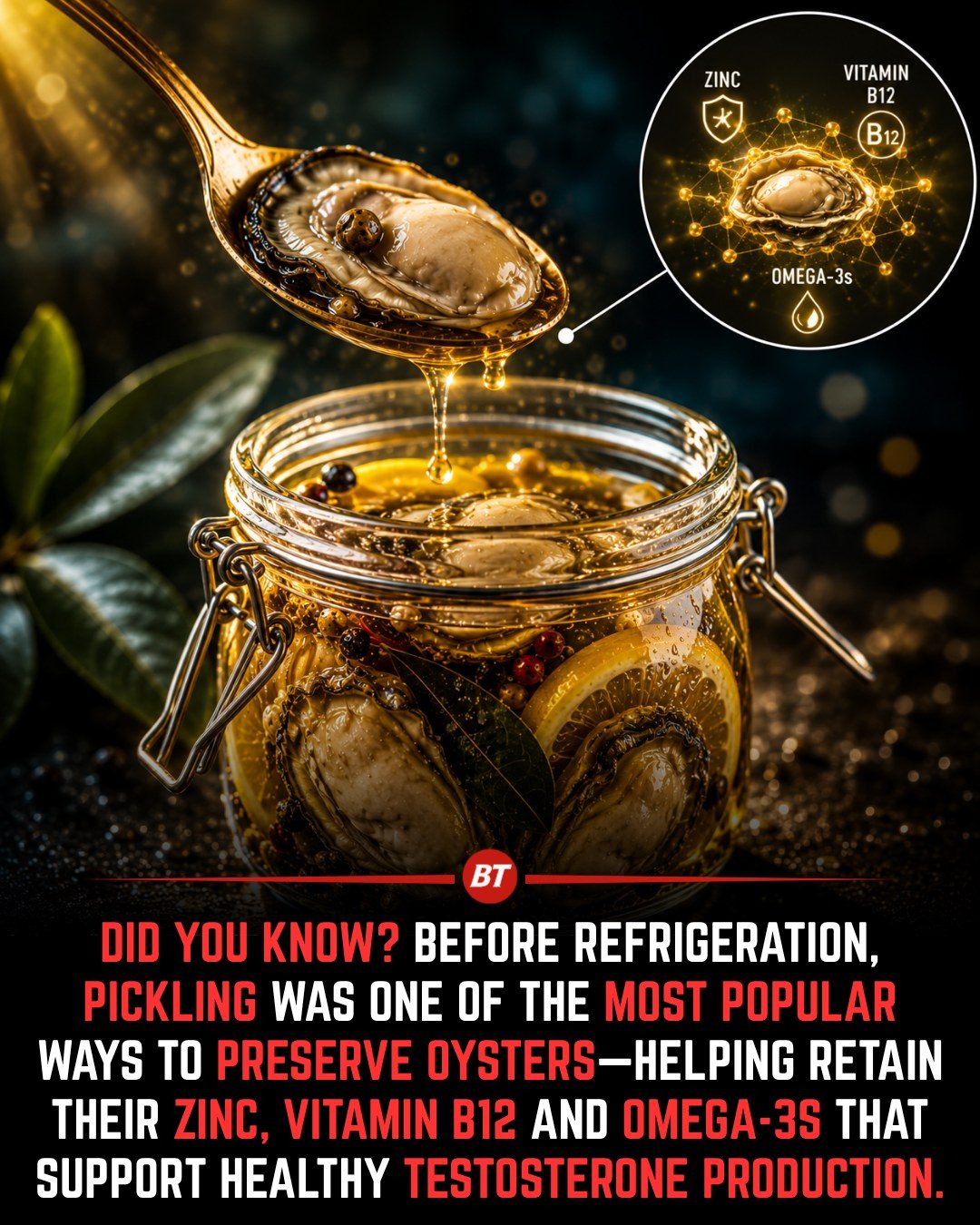
Oyster Preservation Through Pickling
Pickled oysters offer a journey through time, revealing a traditional preservation method that has stood the test of flavor and nutrition. Before the advent of refrigeration, pickling was one of the most popular methods for preserving oysters. This technique not only extended the shelf life of oysters but also retained their essential nutrients, specifically zinc, vitamin B12, and omega-3 fatty acids, which are vital for numerous bodily functions.
Why This Matters
Pickled oysters were a staple in Europe and North America for good reason. They provided a rich source of essential nutrients, especially during periods when fresh seafood was scarce. In addition, their extended shelf life and preserved nutritional value made them an indispensable part of the diet during colder months, contributing to overall health and well-being.
The Art of Pickling Oysters
The Process
Pickled oysters are prepared by immersing the oysters in a solution of vinegar, salt, and various spices. This process not only enhances the flavor but also effectively preserves the oysters, allowing them to last much longer. The brined oysters develop a tangy, savory taste that complements many dishes, making them a versatile ingredient in modern cuisine.
Nutritional Benefits
Oysters are renowned for their high zinc content, being the richest natural source of this essential mineral. Zinc plays a crucial role in various bodily functions, including testosterone production, sperm development, immune function, and wound healing.
Zinc is not the only star player in oyster nutrition. Oysters are also rich in vitamin B12, which supports nerve cell health and red blood cell production. Additionally, they contain EPA and DHA, two types of omega-3 fatty acids that are beneficial for heart health, brain function, and reducing inflammation.
Historical Significance
The process of pickling oysters has a rich historical context. Before the invention of refrigeration, preserving food was a necessity, and pickling was one of the most effective methods. The practice allowed communities to enjoy seafood even during off-seasons, providing a sustainable way to consume these nutrient-dense foods.
Practical Tips for Enjoying Pickled Oysters
When purchasing pickled oysters, look for jars with simple ingredients and moderate sodium levels. This ensures you are getting the best nutritional value without unnecessary additives. Pickled oysters are a delicious addition to various dishes, including crackers, salads, seafood platters, and whole-grain toast.
Incorporating Pickled Oysters in Recipes
Oyster Cocktails
One of the most traditional ways to enjoy pickled oysters is in an oyster cocktail. Simply serve the oysters on a bed of ice with a side of cocktail sauce, and you have a classic appetizer that's both delicious and nutritious.
Salads and Sandwiches
Pickled oysters add a unique twist to salads and sandwiches. Toss them into a mixed greens salad for a burst of flavor and nutrition, or incorporate them into a seafood sandwich for a hearty, satisfying meal.
Appetizers and Snacks
For a quick and easy snack, pair pickled oysters with crackers and a side of cheese. The tangy, savory flavors complement the creamy texture of the cheese, creating a balanced and satisfying snack.
Important Takeaways
The process of pickling oysters not only extends their shelf life but also retains their essential nutrients, making them a valuable part of a balanced diet. Zinc, vitamin B12, and omega-3 fatty acids are just a few of the nutrients found in pickled oysters, each playing a crucial role in maintaining overall health.
By incorporating pickled oysters into your diet, you can enjoy a taste of history while benefiting from their nutritional value. Whether you prefer them as a classic appetizer or as a flavorful addition to your favorite dishes, pickled oysters offer a versatile and delicious way to boost your nutrient intake.
Conclusion
Pickled oysters are more than just a tasty treat; they are a testament to the ingenuity of food preservation methods. From their historical significance to their nutritional benefits, pickled oysters offer a rich culinary experience that stands the test of time. Whether you're looking to explore new flavors or enhance your diet with essential nutrients, pickled oysters are a valuable addition to your culinary repertoire.
Watch the Reel
Questions readers ask
What are the key ingredients in a traditional pickled oysters recipe?
Traditional pickled oysters recipes typically include oysters, vinegar, and a blend of spices. Common spices used are garlic, dill, black peppercorns, and bay leaves. Some recipes may also include sugar or salt to balance the flavors.
What are the benefits of oyster pickling?
Oyster pickling extends the shelf life of oysters by using vinegar and spices to create an acidic environment that inhibits bacterial growth. This method also helps to retain essential nutrients, such as zinc, vitamin B12, and omega-3 fatty acids, which are crucial for various health functions.
What nutrients are retained in pickled oysters?
Pickled oysters retain several key nutrients, including zinc, which supports the immune system and metabolism; vitamin B12, essential for neurological function and blood formation; and omega-3 fatty acids, which promote heart health and reduce inflammation.
How do traditional pickling methods preserve oysters?
Traditional pickling methods involve submerging oysters in a solution of vinegar and spices. The vinegar creates an acidic environment that prevents the growth of harmful bacteria, while the spices enhance flavor. This process allows oysters to be stored for extended periods without refrigeration.
Do pickled oysters require refrigeration?
While refrigeration can extend the shelf life of pickled oysters, it is not always necessary due to the preservative nature of the pickling process. However, refrigeration can help maintain the texture and freshness of the oysters for a longer period.
What is the process of how to pickle oysters?
Pickling oysters generally involves cooking the oysters first, then packing them into a jar. The oysters are covered with a hot vinegar solution, which has been infused with spices. The jar is sealed and left to marinate for at least a few days, allowing the flavors to meld and the oysters to pickle.
How does pickling enhance the nutritional value of oysters?
Pickling oysters helps to preserve their nutritional content by locking in essential nutrients. The acidic environment created by the vinegar solution slows down the degradation of vitamins and minerals, ensuring that the oysters retain their nutritional benefits, such as zinc, vitamin B12, and omega-3 fatty acids.
Related deep dives
Similar reads based on topic and creator.




Recent articles
Fresh deep dives from the latest Reels we unpacked.




Comments
Be the first to comment.