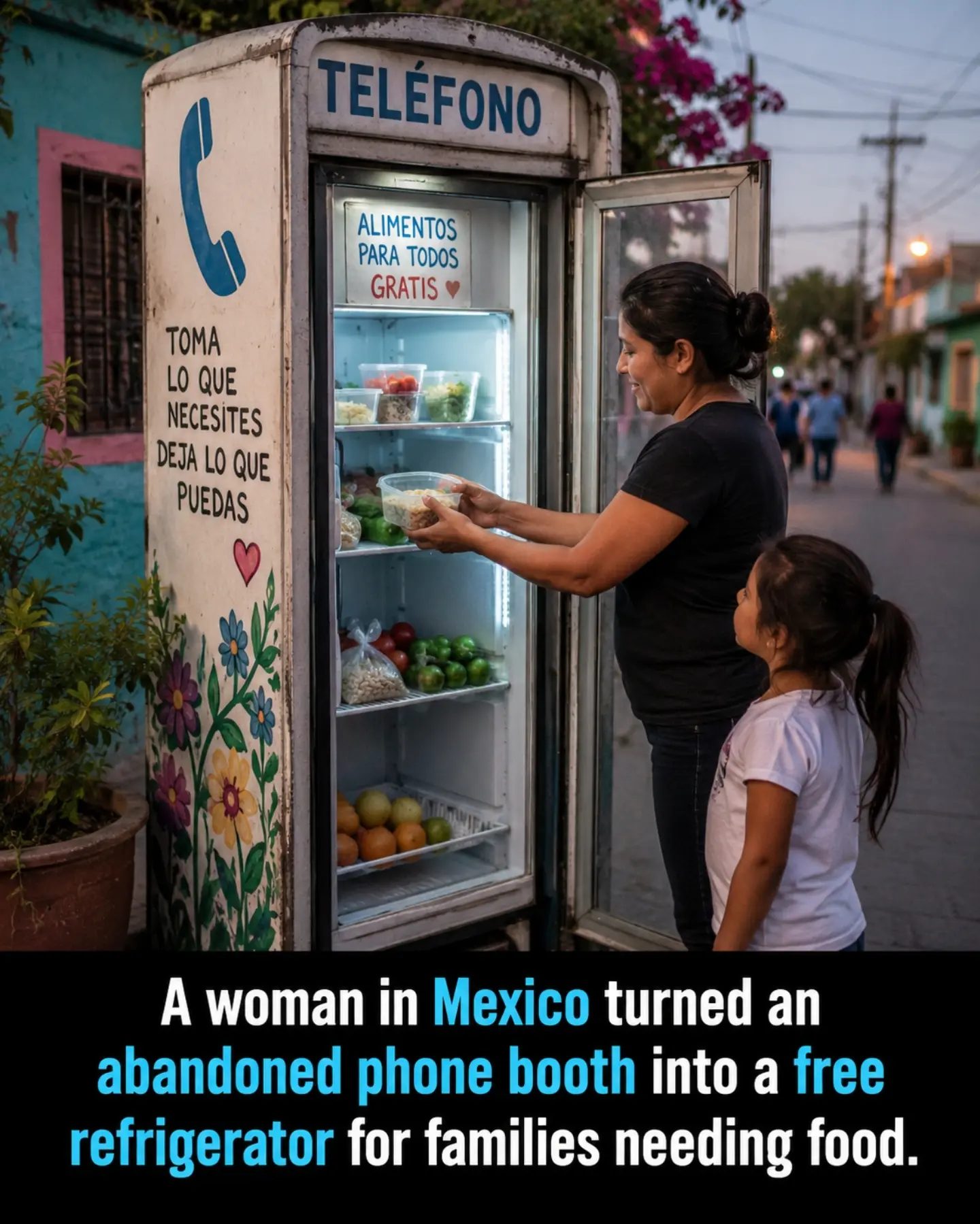
Community Fridge: A Innovative Solution to Food Insecurity
Community fridges are emerging as a beacon of hope in the fight against food insecurity, transforming abandoned spaces into hubs of support and solidarity. The concept is simple yet powerful: a refrigerator stocked with free food, available to anyone who needs it. This initiative not only addresses immediate hunger but also fosters a sense of community and mutual aid.
Context / Why this matters
Food insecurity is a pressing global issue, affecting millions of households. Community fridges offer a decentralized, grassroots approach to tackling this problem. They provide a dignified way for people to access food without the stigma often associated with traditional food banks or charity programs. By repurposing abandoned or underutilized spaces, these initiatives also contribute to community revitalization and environmental sustainability.
Main discussion
The Birth of a Community Fridge
The idea of converting a phone booth into a community refrigerator is a testament to human ingenuity and community spirit. In many urban and suburban areas, phone booths have become obsolete due to the widespread use of mobile phones. Repurposing these structures serves a dual purpose: it gives new life to an otherwise abandoned space and creates a visible, accessible resource for those in need.
How It Works
The operation of a community fridge is straightforward. The refrigerator is stocked with donated food items, which are freely available to anyone who needs them. The on-screen text, "ALIMENTOS PARA TODOS GRATIS" (Food for everyone free of charge) and "TOMA LO QUE NECESITES DEJA LO QUE PUEDES" (Take what you need, leave what you can), encapsulates the spirit of this initiative. This approach encourages community members to contribute as well, creating a cycle of giving and receiving.
The Impact on the Community
The repurposed phone booth, transformed into a community refrigerator, serves multiple purposes: it provides essential nutrition to those who need it, promotes sustainability by reducing food waste, and strengthens community bonds. By offering food in a non-stigmatizing way, community fridges help to break down barriers and foster a sense of shared responsibility and support. The sight of a young girl and a woman interacting with the fridge highlights the intergenerational impact of such initiatives.
The Role of Volunteers and Donors
While the concept of a community fridge is simple, its success relies heavily on the support of volunteers and donors. Volunteers play a crucial role in maintaining the fridge, ensuring it is stocked with fresh and nutritious food, and keeping it clean and accessible. Donors, whether they contribute food, money, or other resources, are the lifeblood of these initiatives. Their generosity ensures that the fridge remains a reliable source of food for those in need.
Practical tips
Starting a Community Fridge
If you're inspired to start a community fridge in your area, here are some practical steps to get you started:
- Find a Suitable Location: Identify an underutilized or abandoned space in your community, such as an old phone booth, a spare room in a community center, or a corner in a local park.
- Get Permissions: Ensure you have the necessary permissions from local authorities or property owners to set up the fridge.
- Sourcing the Fridge: Acquire a reliable refrigerator. Consider looking into donations from local businesses or community members to help cover the cost.
- Stocking the Fridge: Reach out to local grocery stores, farms, and community members for food donations. Ensure the donations are nutritious and safe to consume.
- Maintenance: Establish a schedule for volunteers to clean, restock, and monitor the fridge regularly.
- Promotion: Spread the word about your community fridge through local media, social media, and community bulletin boards. Encourage people to donate and to take what they need.
Ensuring Safety and Sustainability
To maintain the safety and sustainability of a community fridge, consider the following tips:
- Regular Cleaning: Ensure the fridge is cleaned regularly to prevent the growth of harmful bacteria.
- Food Safety: Implement a system to track the expiration dates of perishable items and remove any food that is no longer safe to consume.
- Community Engagement: Engage with the community to ensure that the fridge is used responsibly and that donations are made regularly.
- Donation Guidelines: Provide clear guidelines on what types of food can be donated and how to properly store them.
Important takeaways
- Community fridges are an innovative and effective way to combat food insecurity.
- Repurposing abandoned spaces, such as old phone booths, can create a visible and accessible resource for those in need.
- The success of a community fridge relies on the support of volunteers and donors.
- Regular maintenance and community engagement are crucial for the sustainability and safety of a community fridge.
Conclusion
Community fridges represent a powerful example of how grassroots initiatives can address critical issues like food insecurity. By transforming abandoned spaces into sources of nourishment and support, these initiatives not only feed the hungry but also build stronger, more connected communities. The sight of a repurposed phone booth stocked with fresh produce reminds us of the transformative power of community spirit and collective responsibility. Whether you're looking to start your own community fridge or simply want to support one in your area, remember that every donation and every act of kindness contributes to a brighter, more compassionate future for all.
Watch the Reel
Questions readers ask
What is a community fridge and how does it work?
A community fridge is a refrigerated space stocked with free food, accessible to anyone in need. It operates on a simple principle: people can take what they need and leave what they can. Donations are typically managed by volunteers or community members, ensuring a steady supply of food for those who need it.
How does the repurposed phone booth community fridge benefit the neighborhood?
This initiative revitalizes the neighborhood by transforming an abandoned phone booth into a useful resource. It combats food waste, and promotes community involvement. Additionally, it provides a dignified way for neighbors to access food, fostering a sense of solidarity and mutual support.
Who can use the community fridge and is it free?
The community fridge is open to anyone in need, with no eligibility requirements or registration process. It operates on a self-serve basis, allowing people to take what they need without any cost. The goal is to provide food access to those who might otherwise struggle to meet their nutritional needs.
How does the community fridge address food waste?
The community fridge helps reduce food waste by collecting surplus food from various sources, such as grocery stores, restaurants, and individual donors. This food, which might otherwise go to waste, is redistributed to those in need, benefiting both the environment and the community.
Is the community fridge a replacement for traditional food banks?
The community fridge serves as an alternative option to traditional food banks, offering a more decentralized and accessible approach to food assistance. It provides a stigma-free way for people to access food in their own neighborhoods, complementing the work of traditional food banks rather than replacing them.
How can I support the community fridge initiative?
You can support the community fridge initiative by donating food, volunteering your time to help manage and restock the fridge, or spreading the word about the project to raise awareness. Financial contributions can also help cover operational costs and ensure the fridge remains a sustainable resource for the community.
What types of food are typically found in a community fridge?
The types of food available in a community fridge can vary, but typically include a mix of fresh produce, bread, dairy products, and prepared meals. Non-perishable items, such as canned goods and packaged snacks, may also be available. The goal is to provide a range of food options to meet diverse dietary needs and preferences.
Recent articles
Fresh deep dives from the latest Reels we unpacked.




Comments
Be the first to comment.