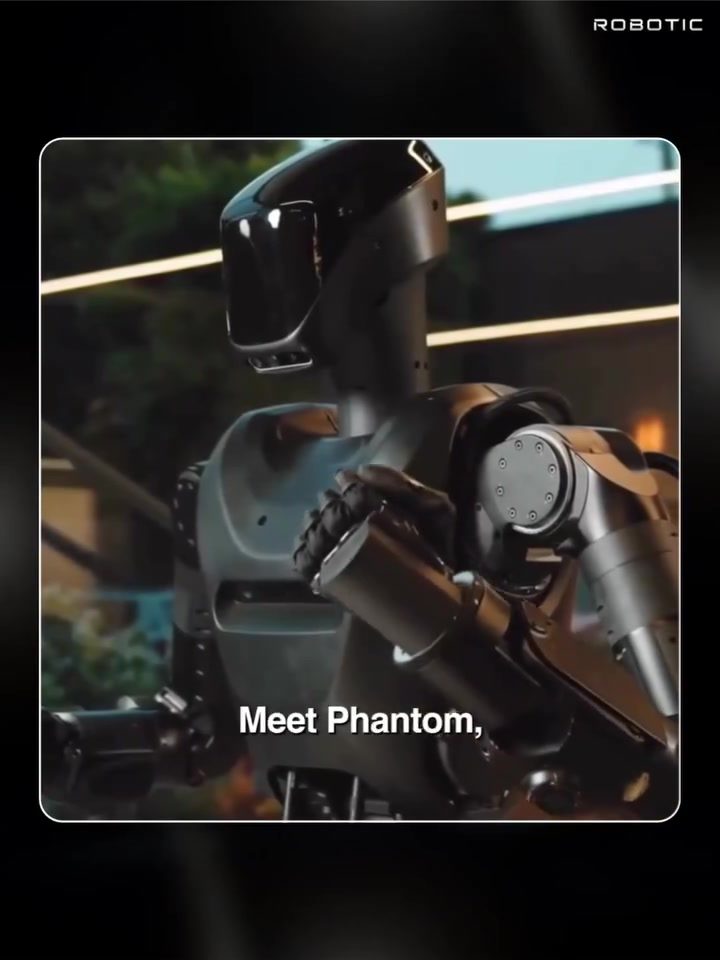
ROBOTIC Phantom: The Future of Military Robotics
The ROBOTIC Phantom is a humanoid robot developed for military use cases, designed to operate in hazardous and extreme environments. This robot represents a significant advancement in robotic technology, particularly in the realm of military applications.
Why This Matters
The integration of humanoid robots like the ROBOTIC Phantom into military operations is a game-changer. These robots can be deployed into dangerous situations first, reducing the risk to human soldiers. Their primary roles include scouting, logistics, and inspection, ensuring that critical missions are completed without the risk of human casualties. However, the true challenge lies in ensuring reliable communication, long-lasting batteries, precise balance, and clear human oversight. These factors are crucial for the robots to be trusted in operational scenarios.
Main Discussion
The Capabilities of ROBOTIC Phantom
The Phantom robot is a remarkable piece of engineering. At around 5 feet 9 inches tall, it is strong, rugged, and built to withstand impact. Its design allows it to navigate rough terrains, enter buildings, and scan areas before soldiers move in. This capability is particularly useful in scenarios where the environment is unpredictable and potentially hazardous. Phantom utilizes advanced AI to see, detect people, and understand its surroundings, making it a versatile tool in military operations.
The Role of AI in Military Robotics
AI plays a crucial role in the functionality of the ROBOTIC Phantom. The robot's AI systems enable it to process vast amounts of data in real-time, allowing it to make critical decisions quickly. This is essential in military operations, where every second counts. The AI also helps in identifying potential threats and navigating through complex environments, making the robot a reliable asset in the field.
The Importance of Reliable Communication
For robots like the Phantom to be effective in military operations, reliable communication is paramount. These robots must be able to communicate seamlessly with their controllers, providing real-time updates and receiving commands. Any disruption in communication can compromise the mission and put soldiers at risk. Therefore, developing robust communication systems is a top priority in the development of military robotics.
The Need for Long-Lasting Batteries
Battery life is another critical factor in the effectiveness of military robots. Robots like the Phantom need to operate continuously for extended periods without the need for recharging. This ensures that they can complete their missions without interruption. Advancements in battery technology are crucial for the success of these robots in the field.
The Challenges of Precise Balance and Clear Human Oversight
Maintaining precise balance and clear human oversight is essential for the safe and effective operation of military robots. The robots must be able to navigate through various terrains and environments without losing balance. Clear human oversight ensures that the robots are always under control and can be guided through complex situations. This requires sophisticated control systems and trained personnel to operate the robots effectively.
Practical Tips
Ensuring Reliable Communication
To ensure reliable communication, it is essential to invest in advanced communication technologies. This includes satellite communication, high-frequency radio, and secure communication protocols. Regular testing and maintenance of communication systems are also crucial to prevent disruptions during missions.
Extending Battery Life
To extend battery life, consider using high-capacity batteries and efficient power management systems. Regular monitoring of battery performance and timely replenishment of power sources are also important. Additionally, developing robots with energy-efficient components can significantly extend their operational time.
Maintaining Precise Balance
Maintaining precise balance involves careful design and engineering. Robots must be equipped with advanced sensors and control systems that can detect and correct any imbalances in real-time. Regular maintenance and calibration of these systems are also important to ensure optimal performance.
Clear Human Oversight
Clear human oversight requires trained operators and sophisticated control systems. Operators must be well-versed in the robot's capabilities and limitations, and be able to provide clear and precise commands. The control systems must be user-friendly and allow for real-time monitoring and control of the robot's operations.
Important Takeaways
The ROBOTIC Phantom represents a significant advancement in military robotics. Its capabilities, including AI-driven intelligence, reliable communication, long-lasting batteries, and precise balance, make it a valuable asset in dangerous and extreme environments. However, ensuring clear human oversight and addressing ethical implications are crucial for the successful integration of these robots into military operations.
Conclusion
The development and deployment of humanoid robots like the ROBOTIC Phantom in military operations mark a significant leap forward in technology. These robots offer unparalleled capabilities in dangerous and extreme environments, ensuring the safety of soldiers and the successful completion of missions. However, their effectiveness depends on reliable communication, long-lasting batteries, precise balance, and clear human oversight. By addressing these challenges, we can fully harness the potential of military robotics and ensure a safer future for our soldiers.
Watch the Reel
Questions readers ask
How does the ROBOTIC Phantom enhance military operations in dangerous environments?
The ROBOTIC Phantom is equipped to handle hazardous environments, performing tasks such as scouting, logistics, and inspections. By taking on these roles, it minimizes the exposure of human soldiers to danger, providing a safer approach to critical missions.
What key features make the ROBOTIC Phantom an asset in military settings?
The Phantom excels in navigating tough terrains and uses advanced AI for real-time decision-making. Its humanoid design allows it to operate in environments designed for humans, making it a versatile tool for various military tasks.
Can the ROBOTIC Phantom operate autonomously in unpredictable situations?
Yes, the ROBOTIC Phantom is designed for autonomous operation, utilizing advanced AI to make real-time decisions. This capability ensures that it can handle unexpected situations effectively, reducing the need for constant human supervision.
What are the primary roles of the ROBOTIC Phantom in military operations?
The primary roles include scouting, logistics, and inspection. These roles are critical for completing missions safely and efficiently, as the Phantom can navigate dangerous areas without risking human lives.
How does the ROBOTIC Phantom compare to other military robots?
The ROBOTIC Phantom stands out due to its humanoid design and advanced AI capabilities. This combination allows it to perform tasks in environments tailored for humans, providing a more versatile and adaptive solution compared to traditional military robots.
What challenges does the ROBOTIC Phantom face in military applications?
Ensuring reliable communication, long-lasting batteries, and precise balance are key challenges. These factors are crucial for the Phantom's effectiveness in the field, and ongoing developments aim to address these areas for enhanced performance.
How does the ROBOTIC Phantom contribute to battlefield logistics?
The ROBOTIC Phantom can handle various logistics tasks, from transporting supplies to setting up equipment. Its ability to navigate rough terrains and make real-time decisions ensures that logistics operations are conducted efficiently and safely, even in hazardous conditions.
Recent articles
Fresh deep dives from the latest Reels we unpacked.




Comments
Be the first to comment.