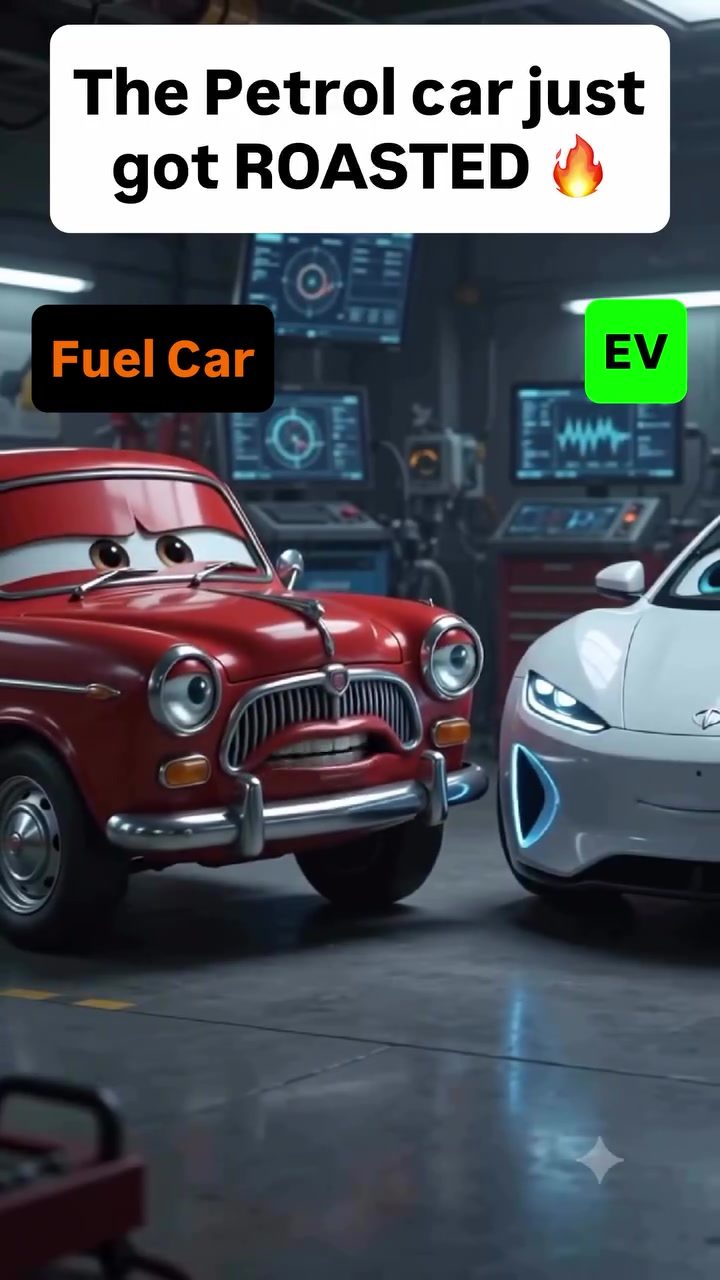
Petrol Cars vs. Electric Vehicles
The rivalry between petrol cars and electric vehicles (EVs) is one of the most debated topics in the automotive world. Both have their unique advantages and disadvantages, making the choice between them a matter of personal preference and practicality. To understand the nuances of this debate, let's dive into the mechanical workings and operational differences of petrol cars and electric vehicles.
Why This Matters
The transition from petrol to electric vehicles is not just about reducing carbon emissions; it's about redefining the automotive experience. Understanding the differences between these two types of cars can help consumers make informed decisions, while the automotive industry adapts to the evolving technological landscape. This is important not just for car enthusiasts, but for anyone considering a vehicle purchase in the near future.
The Mechanics
Internal Combustion Engines in Petrol Cars
Petrol cars operate on internal combustion engines, which use fossil fuels to generate motion. The process involves igniting a mixture of air and fuel in a confined space, thereby releasing energy that moves the pistons. This in turn, moves the crankshaft and ultimately the vehicle's wheels. The combustion process is somewhat analogous to how a human body functions, as fuel is ingested, mixed with oxygen, and ignited to produce heat.
In traditional petrol cars, this mechanical design is relatively straightforward, but it comes with significant energy inefficiencies. A notable claim is that petrol cars waste about 70% of their energy through heat, which is a major drawback from an efficiency standpoint. However, the combustion engine is known for its raw power and the visceral experience of driving a high-performance petrol car.
Electric Motors in EVs
Electric vehicles, on the other hand, rely on electric motors and lithium-ion batteries. The electric motor receives electrons directly from the battery, instantly converting electrical energy into mechanical motion. The efficiency of this process is significantly higher, as electric motors can convert up to 95% of the energy from the battery to power the wheels. This results in less energy waste and greater power delivery, which is why EVs often deliver instant torque.
The battery system in an EV can be likened to its digestive system. The battery inhales oxygen (through ventilation), mixes it with the liquid energy (stored in the battery), and ignites it to provide power. This process is far more streamlined and efficient compared to the internal combustion process of petrol cars.
Operational Differences
Energy Efficiency and Charging
One of the most significant differences between petrol cars and EVs is their energy efficiency. Petrol cars lose a significant amount of energy as heat, while EVs convert energy into motion with minimal loss. This makes EVs more efficient, but it also means they require a different approach to "refueling."
Petrol cars need to be refueled at gas stations, a process that typically takes a few minutes. However, this convenience comes at the cost of environmental impact and the fluctuation of fuel prices. In contrast, EVs can be charged at home or at charging stations. While charging times can vary, most EV owners can recharge their vehicles overnight, ensuring they start each day with a full battery. This means that an EV owner can plug in their car while they sleep, and wake up to a fully charged vehicle ready to go.
Emissions and Environmental Impact
Petrol cars produce emissions, which contribute to air pollution and climate change. EVs, on the other hand, produce zero tailpipe emissions, making them a more environmentally friendly option. The overall environmental impact of EVs also depends on the source of the electricity used to charge them. As more renewable energy sources are integrated into the grid, the environmental benefits of EVs become even more pronounced.
Maintenance and Running Costs
Petrol cars require regular maintenance, including oil changes, engine tune-ups, and emissions testing. In contrast, EVs have fewer moving parts and generally require less maintenance. This can translate into lower running costs over the lifetime of the vehicle. Additionally, electricity is often cheaper than petrol, further reducing the cost of operating an EV.
Practical Tips
- Understand Your Driving Needs: If you frequently take long trips or need a vehicle that can be refueled quickly, a petrol car might be more convenient. However, if you primarily drive within a city or for shorter distances, an EV could be a more practical choice.
- Charging Infrastructure: Before committing to an EV, consider the availability of charging stations in your area. The more charging options you have, the more flexibility you'll have with an EV.
- Initial Cost vs. Long-Term Savings: While EVs may have higher upfront costs, the long-term savings on fuel and maintenance can make them more cost-effective in the long run.
Important Takeaways
- Efficiency: EVs are generally more energy-efficient than petrol cars, converting a higher percentage of energy into motion.
- Environmental Impact: EVs produce zero tailpipe emissions, making them a more eco-friendly option.
- Maintenance and Costs: EVs typically require less maintenance and can be cheaper to operate over time.
Conclusion
The debate between petrol cars and electric vehicles is multifaceted, encompassing mechanical complexity, operational efficiency, environmental impact, and user convenience. While petrol cars offer raw power and a familiar driving experience, EVs provide a more efficient, sustainable, and cost-effective alternative. As technology continues to advance, the convenience and efficiency of EVs are likely to make them an increasingly attractive option for consumers. By understanding the core differences and practical considerations, car buyers can make informed decisions that align with their needs and values.
Watch the Reel
Questions readers ask
What are the main differences between petrol and electric cars?
Petrol cars use internal combustion engines that burn fuel, while electric vehicles (EVs) operate using electric motors powered by rechargeable batteries. This fundamental difference affects their operational costs, environmental impact, and maintenance requirements. Petrol cars have more mechanical parts that can wear out, while EVs have fewer moving parts, which can lead to lower maintenance needs.
How does the environmental impact of petrol cars compare to electric vehicles?
Petrol cars emit greenhouse gases and other pollutants during operation, contributing to air pollution and climate change. In contrast, electric vehicles produce zero tailpipe emissions, making them a cleaner option. However, the overall environmental impact of EVs also depends on the source of the electricity used to charge them and the production of their batteries.
Which has better fuel efficiency: petrol cars or electric vehicles?
Electric vehicles generally have better fuel efficiency than petrol cars. EVs convert 59%–62% of the electrical energy from the grid to power at the wheels, while petrol cars only convert about 17%-21% of the energy stored in gasoline. This means that EVs can travel further on the equivalent amount of energy compared to petrol cars.
What are the benefits of electric car battery technology?
Electric car battery technology has several benefits, including high energy efficiency, low operational costs, and the ability to recapture energy through regenerative braking. Additionally, battery technology is continually improving, leading to longer ranges and faster charging times for electric vehicles.
What should I consider regarding the charging infrastructure for electric vehicles?
Before transitioning to an electric vehicle, it's important to consider the availability and accessibility of charging stations. While home charging is an option, public charging infrastructure can vary, and fast-charging stations may not be as common as traditional petrol stations. Planning your routes and understanding charging times will help ensure a smooth transition to an electric vehicle.
How do the costs of petrol and electric cars compare over time?
The upfront cost of electric vehicles can be higher than petrol cars, but EVs often have lower operational and maintenance costs. This is due to fewer moving parts, no oil changes, and lower fuel costs. Over time, these savings can offset the initial higher purchase price, making EVs a cost-effective choice for many consumers.
What is the future of automotive technology in regards to petrol vs. electric cars?
The future of automotive technology is trending towards increased electrification, with many governments setting targets to phase out petrol cars. Advances in battery technology, charging infrastructure, and autonomous driving features are making electric vehicles more appealing and practical. However, petrol cars will likely remain relevant for some time, especially in areas with limited charging infrastructure.
Related deep dives
Similar reads based on topic and creator.



Recent articles
Fresh deep dives from the latest Reels we unpacked.




Comments
Be the first to comment.