The Strait of Hormuz Tensions: The U.S., Iran, and Project Freedom
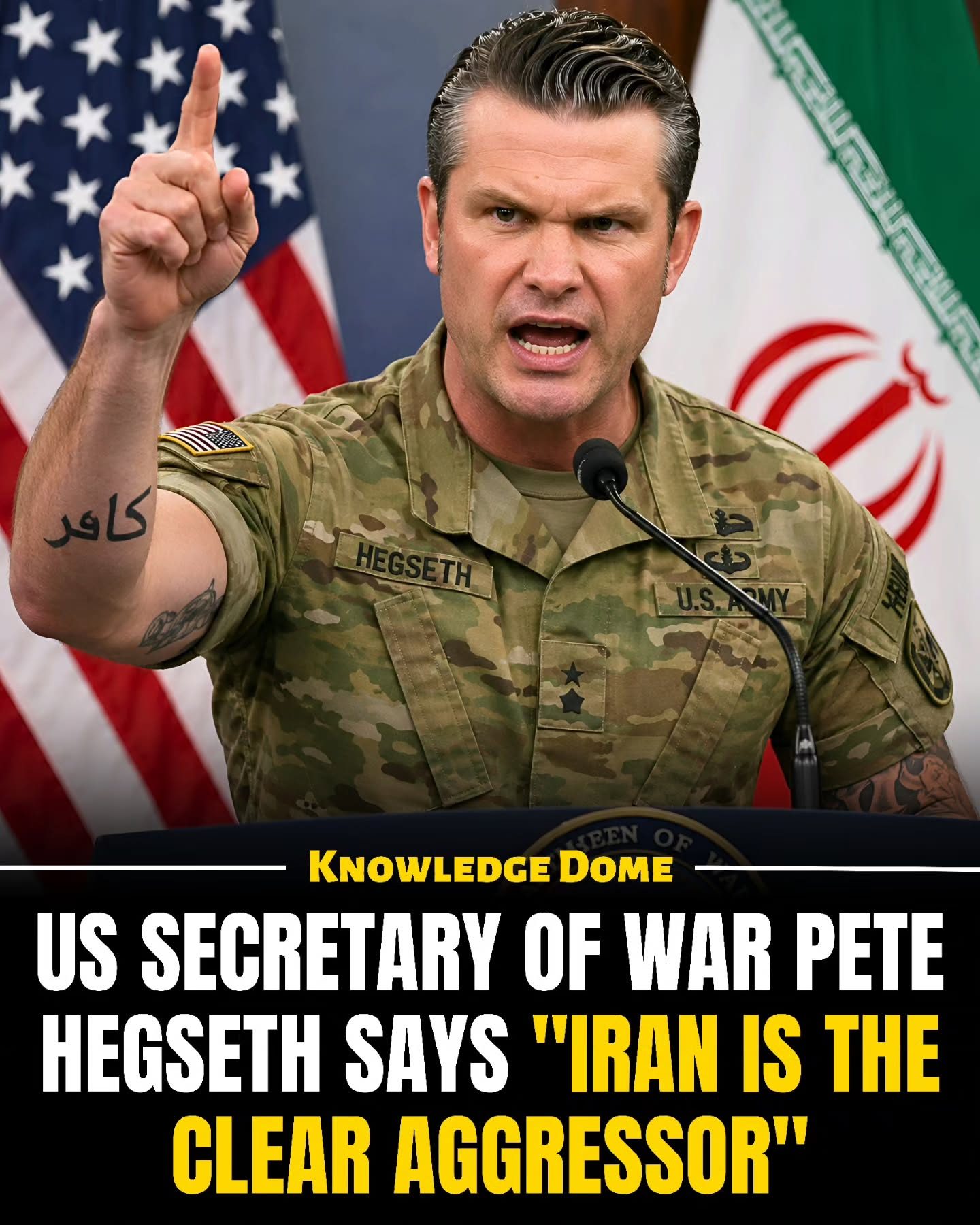
The Strait of Hormuz, a strategic waterway connecting the Persian Gulf to the Arabian Sea, has long been a focal point of geopolitical tensions. In May 2026, U.S. Secretary of War Pete Hegseth’s statements at a Pentagon briefing highlighted escalating concerns regarding Iran's activities in this vital maritime route.
Why This Matters
The Strait of Hormuz is a critical global chokepoint for oil and gas trade. Approximately 21 million barrels of oil pass through the strait daily, accounting for about 30% of the world’s seaborne-traded oil. Any disruption in this route can have severe economic repercussions, affecting global energy prices and supply chains.
The U.S. Perspective
Iran as the Clear Aggressor
Pete Hegseth, in his address, labeled Iran as the "clear aggressor" in the Strait of Hormuz. He cited several actions by Iran, including harassing civilian ships, threatening sailors from various countries, and attempting to control the sea route for financial gain. These actions, according to Hegseth, posed a significant threat to international trade and maritime security.
Project Freedom
In response to these perceived threats, the U.S. announced "Project Freedom." This initiative aims to ensure the safe passage of ships through the Strait of Hormuz, safeguarding commercial shipping lanes and maintaining the flow of trade. The project underscores the U.S.'s commitment to preserving global maritime security and protecting international waterways from disruptions.
The U.S. Stance on Conflict
Despite the aggressive rhetoric, Hegseth clarified that the U.S. is not seeking a confrontation with Iran. Instead, the focus is on preventing Iran from obstructing innocent countries and their goods from using the international waterway. The mission is primarily defensive, aimed at deterring Iranian actions rather than provoking further conflict.
The Iranian Perspective
The U.S. statements have not been without criticism. Some observers argue that the U.S. is overemphasizing Iran’s role in the conflict, potentially ignoring its own actions that have contributed to regional tensions. This criticism highlights the complexity of the geopolitical landscape in the Middle East, where multiple stakeholders have vested interests and conflicting agendas.
U.S. Involvement in the Conflict
Critics of the U.S. stance point out that the U.S. has a significant presence in the region, with military bases and naval forces operating in the Persian Gulf. This presence, they argue, is a contributing factor to the heightened tensions. The U.S. has been involved in numerous military interventions in the region, which have had long-lasting effects on the geopolitical dynamics.
Economic Sanctions and Regional Influence
Iran's actions in the Strait of Hormuz are often seen as a response to economic sanctions and other forms of pressure exerted by the U.S. and its allies. The sanctions have had a devastating impact on Iran's economy, leading to increased desperation and a more assertive foreign policy. This dynamic adds another layer of complexity to the conflict, making it challenging to untangle the various factors at play.
The Geopolitical Implications
The Strait of Hormuz is not just a strategic waterway; it is also a symbol of the broader geopolitical tensions in the Middle East. The conflict over this route reflects the power struggles between regional and global players, each with their own interests and agendas.
Regional Power Dynamics
The Middle East is a region characterized by complex power dynamics, with countries like Iran, Saudi Arabia, and the U.S. vying for influence. The Strait of Hormuz is a microcosm of these larger power struggles, where control over the waterway translates to economic and political leverage.
Global Economic Impact
The Strait of Hormuz plays a pivotal role in the global economy, particularly in energy markets. Any disruption in the flow of oil through this strait can have far-reaching consequences, affecting not just the countries directly involved but the global economy as a whole. This makes the resolution of the conflict a matter of global concern, not just a regional issue.
Practical Tips for Understanding the Conflict
Stay Informed
Understanding the conflict in the Strait of Hormuz requires staying informed about the latest developments. Reliable sources of information, such as news outlets and official statements from governments, can provide valuable insights into the evolving situation.
Consider Multiple Perspectives
It is essential to consider multiple perspectives when analyzing the conflict. Both the U.S. and Iran have valid points, and understanding their motivations and actions can provide a more comprehensive view of the situation.
Recognize the Broader Context
The conflict in the Strait of Hormuz is part of a broader geopolitical landscape. Recognizing the broader context, including the role of economic sanctions, regional power dynamics, and global economic impacts, can help in understanding the complexities of the situation.
Important Takeaways
The conflict in the Strait of Hormuz is a multifaceted issue with far-reaching implications. It highlights the importance of maritime security, the complexities of regional power dynamics, and the broader geopolitical tensions in the Middle East. Understanding these factors is crucial in navigating the intricacies of this conflict and its potential resolution.
Conclusion
The Strait of Hormuz remains a critical flashpoint in global geopolitics, with the U.S. and Iran locked in a complex struggle over control of this vital maritime route. The U.S.'s Project Freedom underscores the importance of safeguarding international waterways and protecting global trade. However, the conflict is not just about maritime security; it is a reflection of broader geopolitical tensions and regional power dynamics. Understanding these layers is essential in navigating the complexities of this ongoing conflict.
Watch the Reel
Questions readers ask
Why is the Strait of Hormuz significant in global energy dynamics?
The Strait of Hormuz is pivotal because it facilitates the passage of approximately 21 million barrels of oil daily, making up around 30% of the world’s seaborne-traded oil. This makes it a critical global chokepoint for oil and gas trade, and any disruption can lead to significant economic consequences.
What is 'Project Freedom' and how does it relate to the Strait of Hormuz?
'Project Freedom' is a U.S. initiative aimed at countering Iranian activities in the Strait of Hormuz. It involves increased military presence and measures to ensure the safe passage of vessels through this vital waterway, thereby maintaining the stability of global energy supplies.
What specific actions has Iran taken to escalate tensions in the Strait of Hormuz?
While the article does not detail specific actions, Pete Hegseth's statements suggest that Iran has been engaging in aggressive behavior that threatens the safety and security of maritime traffic in the Strait of Hormuz, according to his perspective.
How has the U.S. responded to the Iranian activities in the Strait of Hormuz?
The U.S. has responded by increasing its military presence in the region through initiatives like 'Project Freedom.' This involves measures to deter and counter Iranian activities, ensuring the safe passage of vessels and maintaining the flow of global energy supplies.
What are the potential economic impacts of disruptions in the Strait of Hormuz?
Disruptions in the Strait of Hormuz can lead to severe economic repercussions, including spikes in global energy prices and disruptions in supply chains. This is due to the strait's role as a critical global chokepoint for oil and gas trade.
What was the significance of Pete Hegseth's statements at the Pentagon briefing in May 2026?
Pete Hegseth's statements highlighted the escalating tensions in the Strait of Hormuz, accusing Iran of aggressive behavior. This underscored the importance of the U.S. intervention through 'Project Freedom' to ensure the safety and security of maritime traffic in the region.
How might the current tensions in the Strait of Hormuz affect U.S.-Iran relations?
The escalating tensions and U.S. intervention through 'Project Freedom' could further strain U.S.-Iran relations. The conflict could exacerbate existing geopolitical tensions, potentially leading to more direct confrontations or diplomatic efforts to resolve the crisis.
Recent articles
Fresh deep dives from the latest Reels we unpacked.




Comments
Be the first to comment.