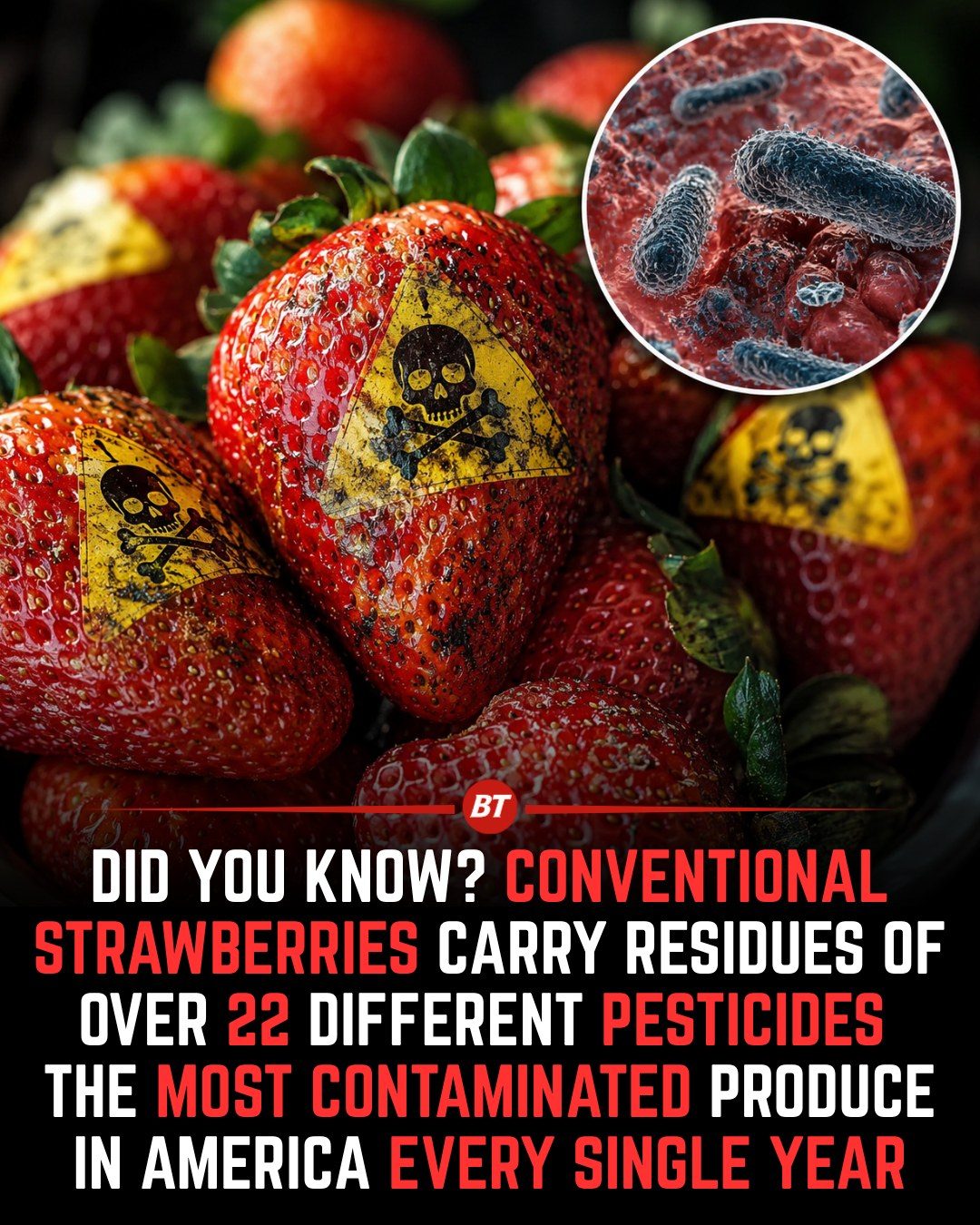
Strawberry Pesticide Residue
Conventional strawberries are frequently highlighted as one of the most closely monitored produce for pesticide residues. This is due to their delicate skin, which easily absorbs and retains pesticides, and their growing conditions, which often require the use of multiple pesticides to control pests and diseases.
Context / Why this matters
Strawberries are a popular and beloved fruit, often consumed fresh and raw, making them a prime candidate for pesticide contamination. Their soft, porous surface means that pesticides can easily penetrate and remain on the fruit. Additionally, strawberries are typically eaten whole, without peeling, which increases the likelihood of consuming pesticide residues. The delicate skin of strawberries makes them more susceptible to absorbing and retaining pesticides, and this requires careful consideration during cultivation.
Main discussion
Pesticide Use in Strawberry Cultivation
Strawberries require a significant amount of pesticide use during cultivation to protect against pests and diseases. According to monitoring programs, strawberries consistently rank high on lists of produce with detectable pesticide residues. Over 22 different pesticides have been identified in strawberry samples, which is a concern for consumers and regulators alike. With over 22 different pesticides, it is clear that strawberry cultivation involves a complex regime of pesticide applications.
Regulatory Safety and Health Implications
Despite the presence of pesticide residues, regulatory safety limits are typically met. Government agencies and independent organizations regularly analyze strawberry samples to ensure compliance with regulatory safety limits. These agencies have consistently found that while some strawberries may contain trace residues from several different pesticide compounds, these levels are usually within acceptable limits.
However, researchers are still studying the long-term effects of cumulative exposure to these residues, as well as ways to further reduce them through farming and food preparation practices. The cumulative effects of exposure to these residues over time are still being investigated, and it is important to consider the potential health implications for consumers.
Nutritional Benefits
Despite the presence of pesticide residues, strawberries remain an excellent source of vital nutrients. They are rich in vitamin C, fiber, and anthocyanins, which are powerful antioxidants linked to heart health, brain health, and reduced inflammation. For most people, the health benefits of consuming more fruits and vegetables outweigh the potential risks associated with pesticide residues. They are a powerhouse of nutrition, which makes them a valuable addition to any diet.
Practical tips
Reducing Pesticide Exposure
There are several practical steps you can take to reduce pesticide exposure when consuming strawberries:
-
Wash Thoroughly: Rinse strawberries thoroughly under running water before consuming. This helps remove any surface residues. Even a simple rinse can significantly reduce the amount of pesticides on the fruit.
-
Choose Organic: If it's practical for your budget, consider choosing organic strawberries, especially during peak season. Organic strawberries are grown without the use of synthetic pesticides, which can help reduce your exposure to these chemicals.
-
Peel When Possible: While this is not always practical for strawberries, peeling or cutting away the outer layer of the fruit can help reduce pesticide exposure.
-
Freeze or Cook: Some studies suggest that freezing or cooking strawberries can help reduce pesticide residues. This is because the freezing process can cause the pesticides to become less soluble, and cooking can break down some of the chemicals.
-
Buy in Season: Strawberries that are in season are more likely to have been grown locally and may have lower pesticide residues compared to out-of-season strawberries that have been imported.
Important takeaways
While strawberries are known for their delicate skin and high pesticide residue levels, they are also a rich source of essential nutrients. Understanding the potential risks and benefits of consuming strawberries can help consumers make informed decisions about their diet.
Conclusion
Strawberries are a popular and nutritious fruit, but their delicate skin and growing conditions make them susceptible to pesticide residues. While the levels of these residues are typically within regulatory safety limits, it is important to be aware of the potential health implications and take steps to reduce exposure.
By washing strawberries thoroughly, choosing organic when possible, and incorporating them into a balanced diet, consumers can enjoy the health benefits of strawberries while minimizing potential risks.
Watch the Reel
Questions readers ask
Why are strawberries often highlighted for having high pesticide residues?
Strawberries have a thin, porous skin that easily absorbs and retains pesticides. Additionally, growing strawberries often involves using multiple pesticides to manage pests and diseases, leading to higher residue levels.
What makes strawberries a concerning choice for consumers worried about pesticide intake?
Strawberries are typically consumed raw and whole, which means any pesticides on the surface can be ingested. Their delicate skin also makes it difficult to remove all pesticide residues through washing alone.
How does the cultivation process of strawberries contribute to pesticide contamination?
Strawberries require careful cultivation, including the use of various pesticides to control pests and diseases. This frequent application of pesticides increases the likelihood of residue remaining on the fruit.
Which fruits are most at risk for high pesticide residue, similar to strawberries?
Other fruits with thin skins or that are often consumed raw, such as apples, grapes, and peaches, may also have high levels of pesticide residue. These fruits are often closely monitored for pesticide residues, similar to strawberries.
What steps can consumers take to avoid pesticide residue from strawberries?
Consumers can opt for organic strawberries, which are grown without synthetic pesticides. Additionally, thoroughly washing and, when possible, peeling the fruit can help reduce pesticide intake, though it may not eliminate all residues.
Are there specific pesticides commonly found on strawberries?
Strawberries often contain a variety of pesticide residues, including organophosphates, pyrethroids, and fungicides. The specific residues can vary depending on the region and farming practices used.
How does the consumption of strawberries compare to other fruits in terms of pesticide exposure?
Due to their porous skin and the common practice of eating them whole and raw, strawberries often rank high in pesticide exposure compared to other fruits. This makes them a notable concern for consumers looking to minimize their pesticide intake.
Related deep dives
Similar reads based on topic and creator.




Recent articles
Fresh deep dives from the latest Reels we unpacked.




Comments
Be the first to comment.