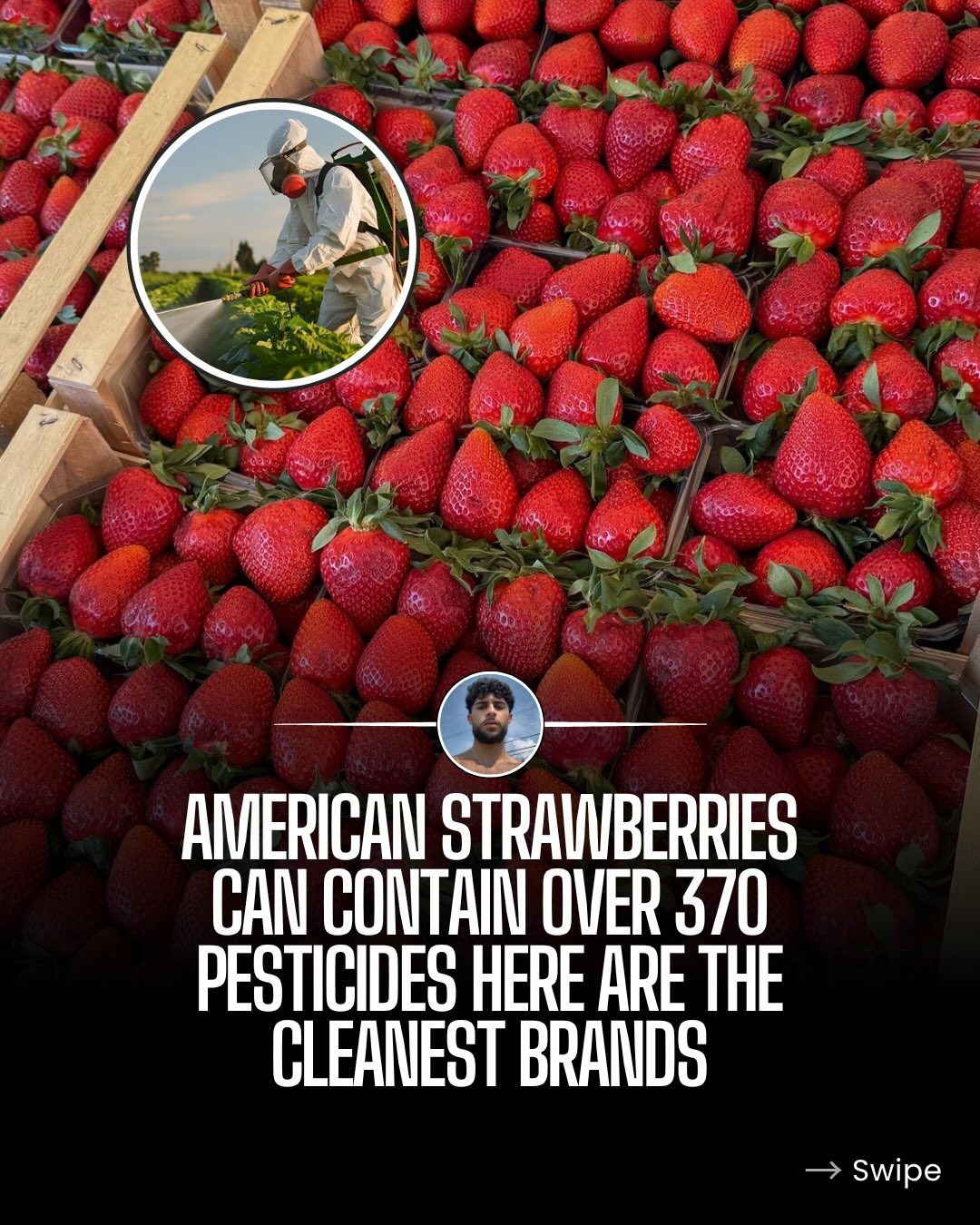
Stawberries and Pesticides
Strawberries are a beloved fruit, known for their sweet taste and vibrant color. But there's a darker side to these juicy treats: they often top the list of produce with the highest pesticide residues. This is primarily due to their growth habit—strawberries grow close to the ground and have thin, absorbent skin, making them susceptible to pests and diseases. Consequently, they require frequent pesticide applications to prevent mold, insects, and other issues.
Strawberries and Pesticide Use
Strawberries are particularly vulnerable to pests and diseases because of their growing conditions and skin. This vulnerability leads to extensive pesticide use. Tests regularly detect multiple pesticide residues on a single strawberry, including fungicides and soil treatments. The Environmental Working Group (EWG) has consistently ranked strawberries high on its "Dirty Dozen" list, which highlights produce with the most pesticide residues.
The Concern with PFAS
Recent reports have also raised concerns about PFAS-containing pesticide products. PFAS, or per- and polyfluoroalkyl substances, are often referred to as "forever chemicals" because they persist in the environment and the human body for extended periods. These chemicals have been linked to various health issues, including immune system problems, increased cholesterol levels, and certain types of cancer. The use of PFAS in pesticides adds another layer of complexity to the already concerning issue of pesticide residues in strawberries.
Organic Strawberries: A Cleaner Alternative
For those looking to avoid pesticide residues, organic strawberries are a popular choice. Organic farming practices prohibit the use of synthetic pesticides, fertilizers, and genetically modified organisms (GMOs). This makes organic strawberries a cleaner, potentially healthier option. Several brands offer organic strawberries, each with its own approach to farming and distribution.
Whole Foods 365
Fresh organic strawberries are a healthful addition to any diet. Whole Foods 365 offers a line of frozen organic strawberries that are quick-frozen to preserve their flavor and nutritional content. These strawberries are an excellent source of Vitamin C and fiber, making them a nutritious choice for smoothies, desserts, or as a healthy snack.
Melissa's
Melissa's is another brand that offers organic strawberries. Their strawberries are known for their fresh appearance and vibrant color. Melissa's commits to providing high-quality, organic produce, ensuring that their strawberries are free from synthetic pesticides and other harmful chemicals.
Naturipe
Naturipe is a prominent brand in the organic strawberry market, offering fresh, certified organic strawberries. Their products are farmed with a focus on sustainability and quality. Naturipe's packaging includes detailed nutritional information, making it easy for consumers to make informed choices about their food.
How to Choose the Best Strawberries
When shopping for strawberries, whether conventional or organic, there are several factors to consider:
- Appearance: Look for bright red, plump strawberries with no signs of mold or bruising.
- Smell: Fresh strawberries should have a sweet, fragrant aroma.
- Seasonality: Strawberries are typically in season from April to June, depending on the region. Out-of-season strawberries may have been stored for extended periods, affecting their freshness and flavor.
- Organic Certification: If choosing organic, look for the USDA Organic seal to ensure the strawberries meet organic standards.
Practical Tips for Reducing Pesticide Exposure
- Wash Thoroughly: Even organic strawberries should be washed before consumption to remove any surface contaminants.
- Buy in Season: In-season strawberries are fresher and likely to have lower pesticide residues.
- Choose Organic: Opting for organic strawberries can significantly reduce exposure to synthetic pesticides.
- Support Local Farmers: Local farmers often use fewer pesticides and may provide fresher produce.
Important Takeaways
Strawberries are a delicious and nutritious fruit, but their high pesticide residue levels are a cause for concern. Understanding the reasons behind this issue and the potential health risks can help consumers make more informed choices. Opting for organic strawberries from reputable brands like Whole Foods 365, Melissa's, and Naturipe can be a practical step toward reducing pesticide exposure. Incorporating these tips into your strawberry-buying habits can lead to a healthier and more enjoyable strawberry experience.
Conclusion
While strawberries are a favorite fruit for many, their susceptibility to pests and diseases leads to high pesticide use. The potential health risks, including exposure to PFAS, are significant. By choosing organic strawberries and following practical tips, consumers can enjoy this fruit with greater peace of mind.
Watch the Reel
Questions readers ask
Why do strawberries often have high levels of pesticide residue?
Strawberries are highly susceptible to pests and diseases due to their growing habits, such as growing close to the ground and having thin, absorbent skin. This makes them highly susceptible to pests and diseases, which leads to frequent pesticide applications, resulting in high levels of pesticide residue.
What are 'Forever Chemicals' and why are they a concern in strawberries?
'Forever Chemicals,' or PFAS, are a group of man-made chemicals used in various products, including pesticides. They are called 'forever chemicals' because they do not break down in the environment and can accumulate in our bodies over time. Their presence in strawberries adds to the health concerns associated with pesticide use.
Are organic strawberries always a safer choice?
Organic strawberries are typically grown without synthetic pesticides, making them a cleaner alternative. However, they can still be exposed to pesticides through drift or contaminated soil, or may contain naturally occurring toxins. Prices are also a factor, so it's important to weigh the benefits against the cost.
Which brands offer the cleanest strawberries?
Several brands are recognized for their efforts in reducing pesticide use. Driscoll's and Organic Girl are two notable examples, though availability and cost can vary. It is also helpful to look for labels indicating low pesticide use or non-GMO certification.
How can I reduce my exposure to pesticides when consuming strawberries?
To reduce exposure, opt for organic strawberries when possible, and consider purchasing from local farms that prioritize sustainable and low-pesticide practices. Additionally, thoroughly washing strawberries before consumption can help minimize pesticide residue.
What are some of the health risks associated with pesticide residue in strawberries?
Exposure to pesticide residues can pose various health risks, including potential long-term effects on the immune and nervous systems, as well as potential risks to reproductive health. Regular consumption of strawberries with high pesticide residues could lead to accumulation in the body, increasing these risks.
Are there any benefits to consuming organic strawberries over conventional ones?
Organic strawberries are grown without synthetic pesticides, reducing the risk of pesticide residue. They may also contain higher levels of certain antioxidants and nutrients due to the absence of chemical interference. However, it is important to consider the cost and availability when making a decision.
Related deep dives
Similar reads based on topic and creator.


Recent articles
Fresh deep dives from the latest Reels we unpacked.




Comments
Be the first to comment.