Community Well Project in Peru
In rural Peru, access to clean water is a vital need that significantly impacts daily life. A recent community well project has brought substantial improvements to a local village, highlighting the transformative power of humanitarian aid and community collaboration.
Context / Why this matters
Water scarcity is a pressing issue in many rural communities around the world, including those in Peru. The lack of accessible clean water forces residents, often elderly or children, to undertake arduous journeys to fetch water from distant sources. This not only consumes valuable time but also poses health risks due to exposure to contaminants and potential accidents. The construction of a well in such communities can alleviate these burdens, improving both the quality of life and overall health.
Main discussion
The Daily Struggle
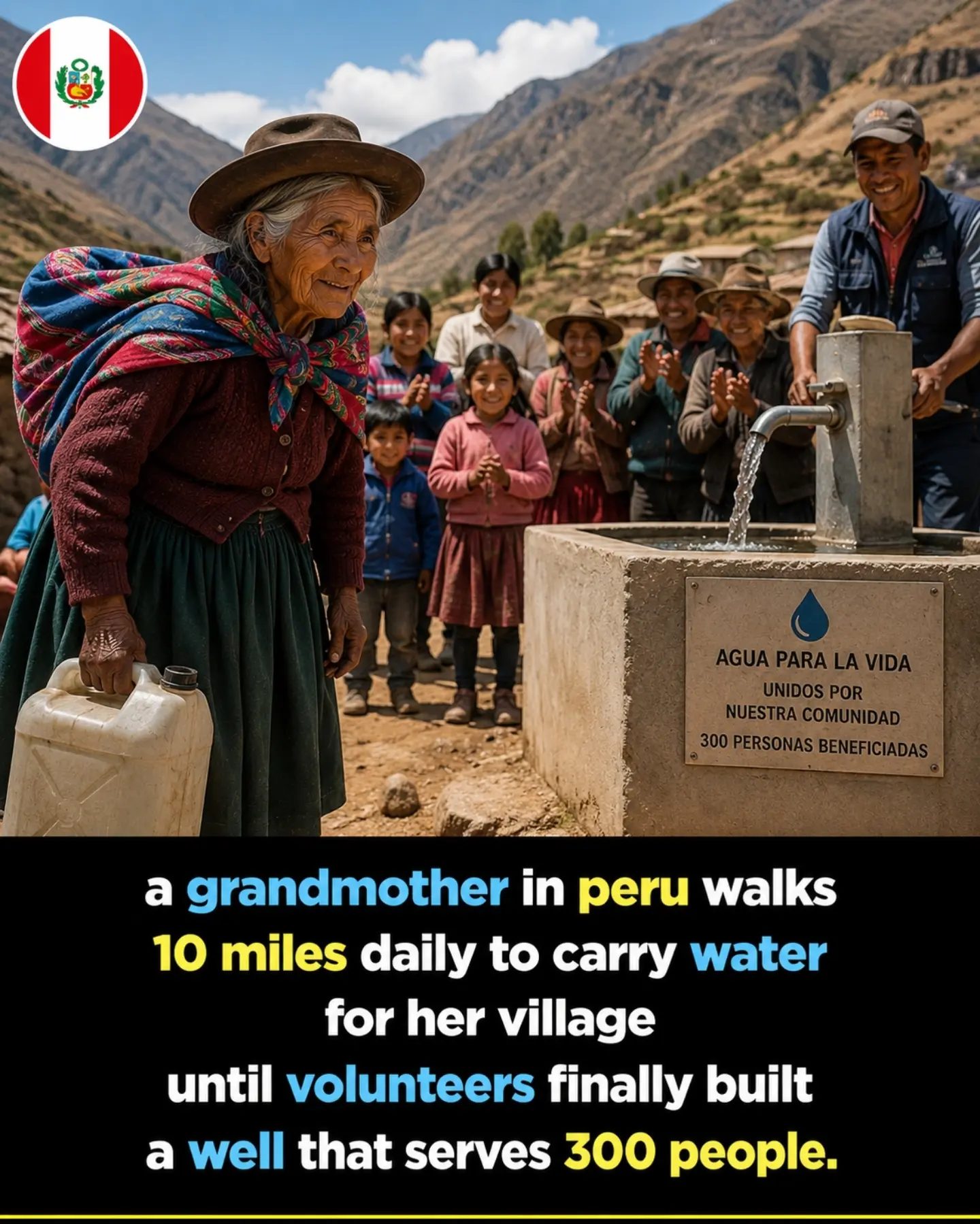
In many Peruvian villages, the journey to collect water is a daily routine filled with challenges. For instance, a grandmother in a rural Peruvian village walks approximately 10 miles daily to carry water. This journey is not just physically demanding but also time-consuming, leaving less time for other essential activities, including work, family care, and personal rest.
The Construction of the Well
Volunteers have played a crucial role in addressing this issue by constructing a well that serves 300 people in the community. This well provides a reliable source of clean water, eliminating the need for long walks and ensuring that everyone in the community has access to safe water. The construction of the well was a collaborative effort, reflecting the power of community collaboration in overcoming challenges.
Community Impact
The well has had a profound impact on the community. It has reduced the physical strain on individuals, particularly the elderly and children, who are often responsible for collecting water. The presence of clean water has also significantly improved hygiene and health, reducing the incidence of waterborne diseases. Children can now spend more time in school, while adults have more time for work and other activities, contributing to the community's overall development.
The Power of Unity
The project's success underscores the importance of community unity and collaboration. The Spanish phrase "AGUA PARA LA VIDA" (Water for Life) and "UNIDOS POR NUESTRA COMUNIDAD" (United for Our Community) reflect the collective effort and shared goal of ensuring access to clean water for all. This unity has not only built a well but also strengthened the bonds within the community, fostering a sense of shared purpose and responsibility.
Practical tips
Supporting Community Projects
Supporting community projects like the well construction in Peru can significantly impact rural areas. Here are some practical tips for those interested in contributing:
- Volunteering: Offering your time and skills can be a valuable contribution. Volunteers can help with construction, logistics, or even organizing community events.
- Funding: Financial contributions are essential for the success of such projects. Donations can be used to purchase materials, hire local workers, and cover other expenses.
- Community Engagement: Engaging with the community to understand their needs and challenges is crucial. This helps in planning and executing projects that truly benefit the people.
- Sustainability: Ensuring the project's sustainability is key. This includes not just the construction but also maintenance and long-term support.
Important takeaways
- Water Access: A reliable source of clean water is essential for the health and well-being of rural communities.
- Community Collaboration: Collaborative efforts can lead to significant improvements in community infrastructure and quality of life.
- Unity: The success of such projects highlights the power of unity and shared goals within a community.
- Health Benefits: Access to clean water can significantly reduce health risks and improve hygiene in rural areas.
- Economic Impact: Ensuring access to clean water allows community members to engage in other productive activities, contributing to economic development.
Conclusion
The community well project in Peru serves as a powerful example of how humanitarian aid and community collaboration can transform lives. By providing a reliable source of clean water, the project has alleviated the daily struggles of residents, improved health, and enhanced the overall quality of life. This initiative underscores the importance of such efforts in rural communities worldwide, where access to clean water remains a critical need. Through continued support and collaboration, similar projects can bring about sustainable change, fostering healthier, more productive communities.
Watch the Reel
Questions readers ask
How does the community well project in rural Peru improve daily life for residents?
The community well project in rural Peru improves daily life by providing a nearby, reliable source of clean water. This eliminates the need for long, exhausting journeys to distant water sources, freeing up time for other activities and reducing physical strain, particularly for the elderly and children.
What are the health benefits of having a community well in rural Peru?
A community well enhances overall community health by providing clean water, which reduces the risk of waterborne illnesses. Additionally, it decreases the need for arduous water collection trips, minimizing exposure to contaminants and potential accidents, such as falls or animal encounters.
Who typically benefits most from community well projects in rural areas?
In rural areas, the most significant beneficiaries of community well projects are often the elderly and children. These individuals are typically tasked with water collection and are more vulnerable to the physical demands and health risks associated with long, distant water retrieval trips.
How can volunteers support a community well project in Peru?
Volunteers can support a community well project in Peru by assisting with the construction and maintenance of the well, organizing fundraising efforts, or providing logistical support. Additionally, volunteers can help raise awareness about the importance of clean water access in rural communities.
Why is clean water access crucial for rural communities in Peru?
Clean water access is crucial for rural communities in Peru as it directly impacts their health and daily life. The lack of clean water can increase the likelihood of health issues and force residents to spend excessive time and energy collecting water from distant, often contaminated sources.
What are some of the challenges faced by rural Peruvian communities without access to clean water?
Rural Peruvian communities without access to clean water face several challenges, including arduous journeys to distant water sources, exposure to potential contaminants and accidents, and increased health risks due to waterborne illnesses. These challenges can be alleviated through the construction of community wells.
How can community collaboration help in improving water access in rural Peru?
Community collaboration plays a vital role in improving water access in rural Peru by fostering collective effort towards a common goal. It enables residents to share resources, skills, and knowledge, ensuring the successful construction and maintenance of community wells, ultimately enhancing overall community well-being.
Recent articles
Fresh deep dives from the latest Reels we unpacked.




Comments
Be the first to comment.