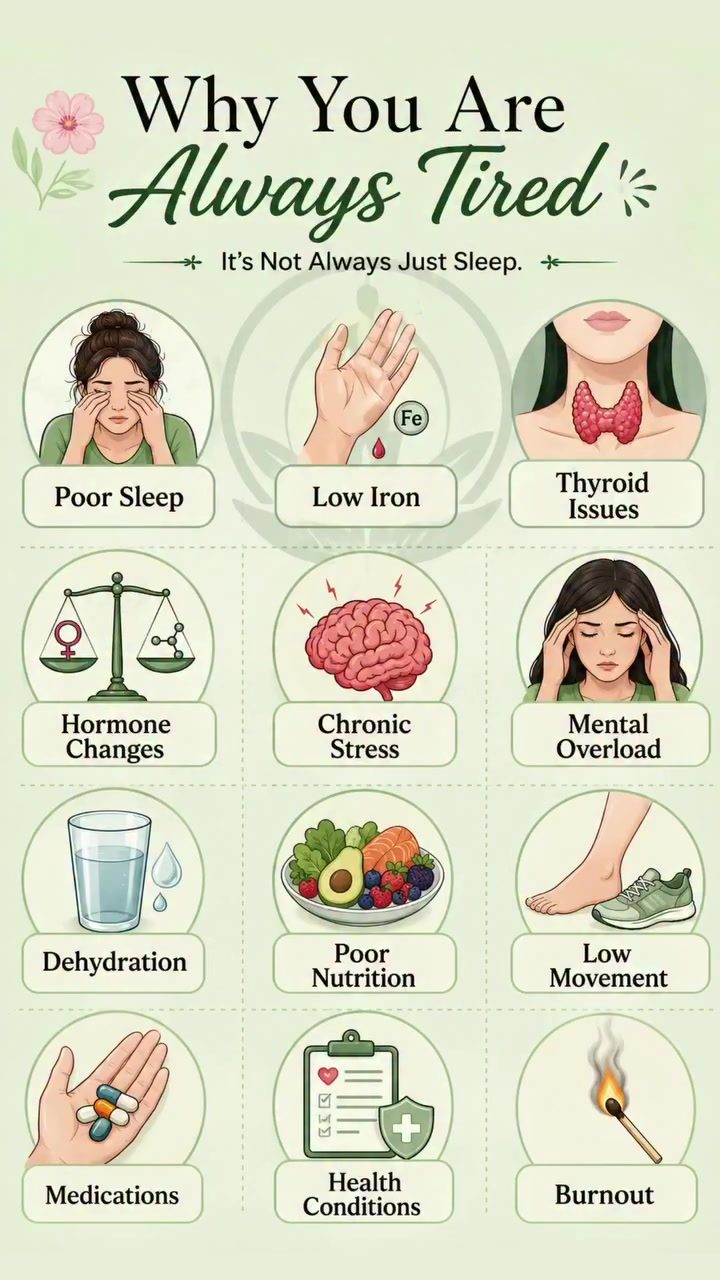
Always Feeling Tired?
Feeling constantly tired, even after a full night's sleep, can be frustrating and concerning. Fatigue isn't always simply about the quantity or quality of your sleep. It can be a signal from your body that something else is going on. Understanding the potential causes of persistent fatigue is the first step toward addressing the issue and improving your overall well-being.
Why This Matters
Persistent fatigue can significantly impact your daily life, affecting your productivity, mood, and overall quality of life. Identifying the underlying causes can help you take appropriate steps to mitigate these issues and feel more energized. Whether it's a lifestyle factor, a medical condition, or something else, recognizing the cause is crucial for effective management.
Causes of Persistent Fatigue
Persistent fatigue can stem from a variety of factors, ranging from lifestyle choices to underlying medical conditions. Let's delve into the common causes:
Poor Sleep Quality
Even if you clock in enough hours, the quality of your sleep matters. Frequent disruptions, insomnia, or sleep disorders can leave you feeling tired despite spending the night in bed. Ensuring a restful sleep environment and addressing any sleep disturbances can help improve your energy levels.
Nutritional Deficiencies
Iron deficiency can lead to anemia, which in turn causes fatigue. Ensuring a balanced diet rich in iron and other essential nutrients is vital for maintaining energy levels. Foods like red meat, leafy greens, and fortified cereals can help boost your iron intake.
Thyroid Issues
Your thyroid gland plays a crucial role in regulating your metabolism and energy levels. Both hypothyroidism (underactive thyroid) and hyperthyroidism (overactive thyroid) can cause fatigue. If you suspect a thyroid issue, consulting a healthcare professional for proper evaluation and treatment is essential.
Hormone Changes
Fluctuations in hormone levels, whether due to menopause, menstrual cycles, or other factors, can lead to fatigue. Hormone replacement therapy or other medical interventions might be necessary to manage these changes effectively.
Chronic Stress
Chronic stress can deplete your energy reserves, leaving you feeling constantly tired. Identifying and managing stress through techniques like mindfulness, meditation, or therapy can help alleviate fatigue.
Dehydration
Dehydration can cause fatigue, as your body relies on water to function optimally. Ensuring adequate hydration throughout the day is crucial. Aim for at least eight glasses of water daily, and adjust based on your activity level and climate.
Poor Nutrition
A diet lacking in essential nutrients can lead to fatigue. Eating a balanced diet rich in fruits, vegetables, lean proteins, and whole grains can provide the energy your body needs. Avoiding excessive sugar and processed foods can also help maintain stable energy levels.
Low Physical Activity
While it might seem counterintuitive, lack of physical activity can contribute to fatigue. Regular exercise boosts energy levels and improves overall well-being. Aim for at least 30 minutes of moderate exercise most days of the week.
Medications
Certain medications can cause fatigue as a side effect. If you're experiencing persistent tiredness, review your medication list with a healthcare professional to see if any could be contributing to your fatigue.
Health Conditions
Various medical conditions, such as diabetes, chronic fatigue syndrome, or autoimmune disorders, can cause persistent fatigue. Proper medical evaluation and management are essential for addressing these underlying issues.
Mental Overload
A constant state of mental overload, whether due to work stress, personal challenges, or information overload, can lead to fatigue. Taking time for self-care and mental breaks can help alleviate this type of fatigue.
Burnout
Burnout is a state of emotional, physical, and mental exhaustion caused by excessive and prolonged stress. Recognizing the signs of burnout and taking steps to address it, such as setting boundaries and seeking support, is crucial for recovery.
Practical Tips for Managing Fatigue
Addressing persistent fatigue often requires a multifaceted approach. Here are some practical tips to help you manage and potentially alleviate fatigue:
- Improve Sleep Hygiene: Create a restful sleep environment, maintain a consistent sleep schedule, and avoid screens before bedtime.
- Balanced Diet: Ensure your diet is rich in essential nutrients, including iron, vitamins, and minerals. Consider consulting a nutritionist for personalized advice.
- Hydrate: Drink plenty of water throughout the day to stay hydrated.
- Exercise Regularly: Engage in regular physical activity to boost your energy levels and overall well-being.
- Manage Stress: Practice stress-reduction techniques such as mindfulness, meditation, or yoga. Consider seeking professional help if stress levels are unmanageable.
- Review Medications: Consult your healthcare provider to review your medications and discuss any potential side effects contributing to fatigue.
- Seek Medical Evaluation: If fatigue persists for several weeks or affects your daily life, consult a qualified healthcare professional for a thorough evaluation.
Important Takeaways
Understanding the various factors that can contribute to persistent fatigue is the first step toward managing it effectively. Whether it's lifestyle choices, underlying medical conditions, or environmental factors, identifying the root cause can help you take appropriate action. Consulting a healthcare professional is essential for a proper evaluation and treatment plan. Manage fatigue through a combination of lifestyle changes, stress management, and medical interventions to improve your overall quality of life.
Conclusion
Persistent fatigue can significantly impact your daily life, but recognizing the underlying causes is the first step toward feeling better. Whether it's poor sleep, nutritional deficiencies, or stress, taking proactive measures and consulting a healthcare professional can help you address the issue. Embrace a holistic approach to managing fatigue, including a balanced diet, regular exercise, adequate hydration, and stress reduction. With the right strategies, you can improve your energy levels and overall well-being.
Watch the Reel
Questions readers ask
What are some common lifestyle factors that can contribute to persistent fatigue?
Lifestyle factors such as poor nutrition, dehydration, and high stress levels can significantly contribute to persistent fatigue. Ensuring a balanced diet, staying hydrated, and managing stress through techniques like mindfulness or exercise can help alleviate fatigue. Additionally, certain medications can induce fatigue as a side effect, so it's important to review your medications with a healthcare provider.
How can nutritional deficiencies lead to constant tiredness?
Nutritional deficiencies, particularly in iron, vitamin B12, and vitamin D, can lead to persistent fatigue. Iron deficiency, for instance, can cause anemia, which reduces the body's ability to transport oxygen efficiently. Similarly, vitamin B12 and vitamin D deficiencies can impair energy production and overall bodily functions, leading to constant tiredness.
What medical conditions are commonly associated with persistent fatigue?
Several medical conditions can cause persistent fatigue, including thyroid problems, hormone imbalances, and anemia. Thyroid issues, such as hypothyroidism, can slow down metabolism, leading to fatigue. Hormone imbalances, particularly in conditions like adrenal fatigue or menopause, can also cause chronic tiredness. Autoimmune diseases and chronic infections can also contribute to low energy levels.
Can stress and burnout cause persistent tiredness?
Yes, chronic stress and burnout can lead to persistent fatigue. Prolonged stress activates the body's fight-or-flight response, which can deplete energy reserves over time. Burnout, often characterized by emotional exhaustion, can also result in physical and mental fatigue. Managing stress through relaxation techniques, setting boundaries, and seeking support can help mitigate these effects.
How can I determine if my persistent fatigue is due to an underlying health issue?
If you suspect that your persistent fatigue is due to an underlying health issue, it's important to consult with a healthcare provider. They can perform a thorough evaluation, including blood tests, to check for conditions like anemia, thyroid issues, or vitamin deficiencies. Keeping a symptom diary and noting any patterns or triggers can also provide valuable insights for your healthcare provider.
What role does hydration play in managing fatigue?
Hydration is crucial for maintaining energy levels and overall bodily functions. Dehydration can lead to fatigue, as it affects the body's ability to transport nutrients and oxygen efficiently. Ensuring adequate water intake throughout the day can help prevent dehydration-related fatigue. Aim for at least 8 glasses of water daily, and adjust based on your activity level and climate.
Can changing my diet help reduce persistent fatigue?
Yes, changing your diet can help reduce persistent fatigue. Incorporating nutrient-dense foods, such as lean proteins, whole grains, fruits, and vegetables, can provide the essential vitamins and minerals needed for energy production. Regular, balanced meals and snacks can also help maintain stable blood sugar levels, preventing energy crashes. Consider consulting with a nutritionist for personalized dietary advice.
Recent articles
Fresh deep dives from the latest Reels we unpacked.




Comments
Be the first to comment.