Doritos Price Increase: How PepsiCo's Pricing Strategy Shift is Shaking the Chips Market
The price of Doritos, a popular snack brand under the PepsiCo umbrella, has seen significant fluctuations recently. With prices reaching around $7 per bag, the company faced a backlash from consumers and retailers alike, leading to a considerable shift in its pricing strategy.
Context: Why This Matters
The price increase of Doritos isn't just a matter of a few extra dollars; it's a reflection of broader trends in the snack industry. When major brands like PepsiCo raise prices, it often signals a wider economic shift. Additionally, how companies like PepsiCo respond to these changes can set trends for other brands and retail strategies.
The Impact of High Prices
Consumer Behavior
With prices hitting around $7 per bag, consumers started to cut back on their purchases. This price point, once considered premium, became a deterrent for many. High prices don't always translate to higher revenue; in this case, they led to a significant reduction in sales. When consumers see a dramatic increase in the price of a staple snack, they often look for cheaper alternatives or reduce their overall snack consumption.
Retailers' Response
Retailers also reacted to the price increase by reducing shelf space for Doritos. When a product doesn't sell as well, retailers have to make room for more profitable items. This shift in shelf space allocation can have long-term effects on brand visibility and consumer access.
PepsiCo's New Strategy
Price Reversal
PepsiCo recognized that the high prices were hurting sales and decided to lower them by up to 15%. This price adjustment is significant as it shows a clear response to consumer behavior and market demands. Lowering prices can stimulate sales and regain lost market share, especially in the competitive snack industry.
Focus on Value Sizes
Another key part of PepsiCo's new strategy is the focus on value-sized packaging. Value sizes can offer consumers more product for their money, addressing the issue of perceived high costs. This approach can help regain consumer trust and encourage purchasing.
The Financial Implications
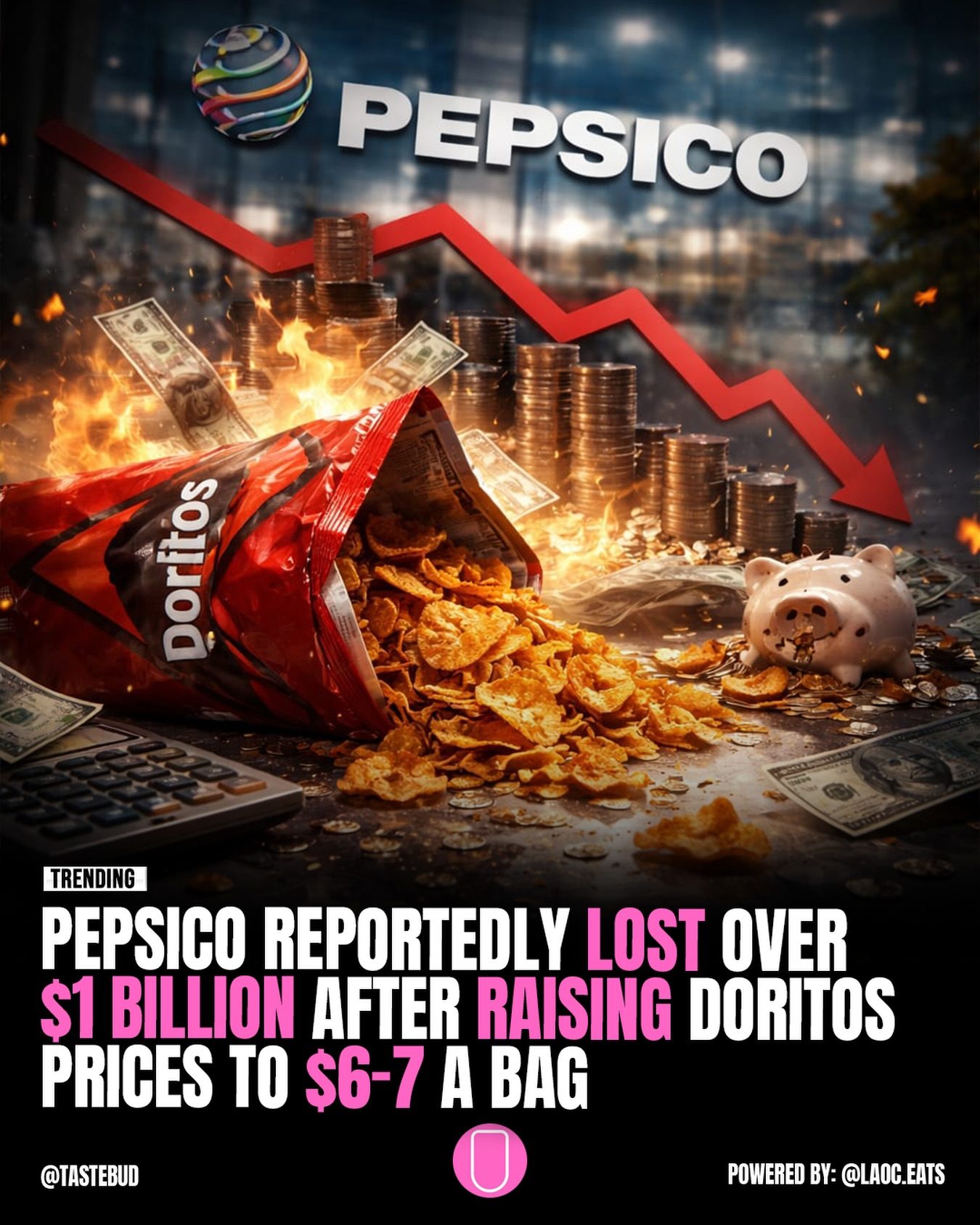
PepsiCo reportedly lost over $1 billion after raising Doritos prices. This financial impact underscores the importance of pricing strategies in the snack industry. Companies need to balance the cost of production, market demand, and consumer willingness to pay. The financial loss highlights the risks associated with dramatic price increases, especially for staple items.
Practical Tips for Other Brands
For other brands facing similar challenges, there are several practical tips to consider:
Monitor Consumer Behavior
Keep a close eye on how price changes affect consumer behavior. Regular surveys and market research can provide valuable insights into consumer preferences and price sensitivity.
Stay Agile with Pricing
Be prepared to adjust pricing strategies quickly. Market conditions can change rapidly, and a flexible pricing strategy can help mitigate risks.
Focus on Value
Offering value sizes or bundling products can help maintain consumer interest. Value-focused packaging can make high-ticket items feel more accessible and affordable.
Engage with Retailers
Maintain open lines of communication with retailers. Understanding their needs and concerns can help in making informed decisions about pricing and shelf space.
Important Takeaways
Pricing Matters
For snack brands, the price is a critical factor. Consumers are sensitive to price changes, and high prices can lead to a significant drop in sales.
Market Feedback
Listening to market feedback and retail behavior is crucial. Adjusting strategies based on real-world data can save companies from significant financial losses.
Consumer Trust
Building and maintaining consumer trust is vital. Pricing strategies that are perceived as fair and value-focused can help retain customers.
Conclusion
The price increase and subsequent price reduction of Doritos by PepsiCo highlight the delicate balance between pricing and consumer behavior. The snack industry, in particular, is highly sensitive to price changes, and brands must navigate these waters carefully. By focusing on value, maintaining flexibility, and staying attuned to market feedback, companies can weather economic shifts and maintain their market position.
Watch the Reel
Questions readers ask
Why did PepsiCo decide to reduce the price of Doritos?
PepsiCo's decision to reduce the price of Doritos by up to 15% was a direct response to consumer and retailer backlash. The move was aimed at making the product more affordable and competitive, potentially stimulating sales and regaining lost market share in the chips market.
How does PepsiCo's pricing strategy affect the broader snack industry?
PepsiCo's pricing strategy changes often set trends for the broader snack industry. When a major player like PepsiCo adjusts its prices, other brands tend to follow suit, leading to shifts in the overall market landscape. This can result in a domino effect, influencing both consumer behavior and retail pricing strategies.
What role do retailers play in the pricing strategy of snacks like Doritos?
Retailers play a crucial role in the pricing strategy of snacks. They often face direct pressure from consumers regarding price adjustments and can influence brand decisions. When Doritos faced backlash, retailers' feedback was instrumental in pushing PepsiCo towards a price reduction, highlighting the collaborative relationship between brands and retailers in setting competitive pricing.
What are the potential impacts of the Doritos price drop on PepsiCo's market share?
The price drop of Doritos is expected to positively impact PepsiCo's market share. This reduction makes Doritos more competitive against other snack brands, potentially attracting price-sensitive consumers. Success will depend on how well the new pricing resonates with consumers and retailers, as well as the effectiveness of Doritos' marketing and promotional strategies.
How do Doritos' price fluctuations reflect broader trends in the snack industry?
The price fluctuations of Doritos reflect broader trends in the snack industry, including rising costs of production, distribution, and increased consumer demand. By adjusting prices in response to market conditions, PepsiCo is navigating these trends to maintain profitability and consumer interest, serving as a barometer for the snack industry as a whole.
Related deep dives
Similar reads based on topic and creator.


Recent articles
Fresh deep dives from the latest Reels we unpacked.




Comments
Be the first to comment.