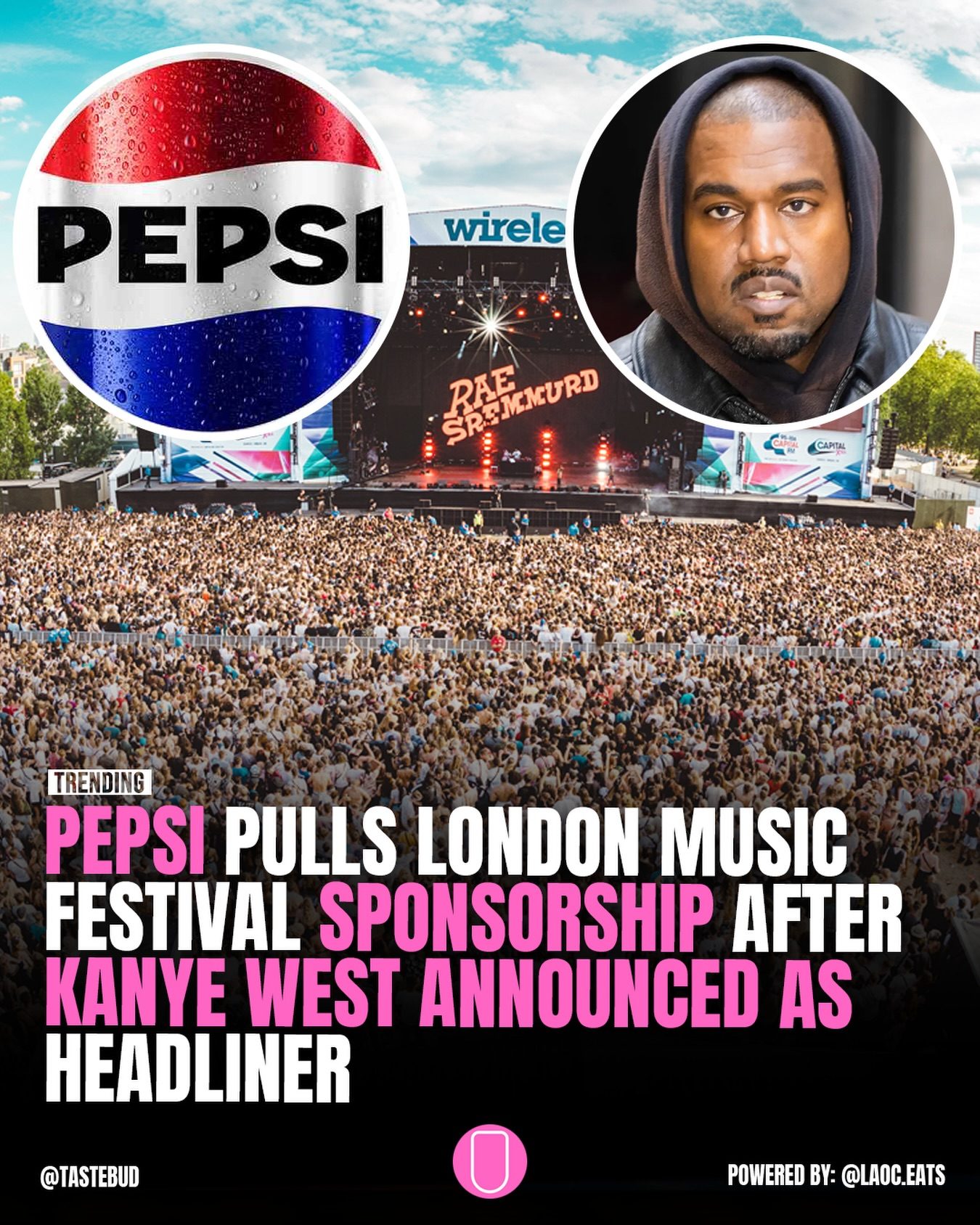
Festival Sponsorship Controversy
The recent withdrawal of Pepsi's sponsorship from London’s Wireless Festival has sparked significant debate. This isn't just about a brand pulling out of an event; it’s about the complexities of corporate partnerships, public image, and how companies navigate controversial figures in major events. Pepsi was set to be a major partner for the festival, which is scheduled for July 2024, but the announcement of Kanye West as the headliner led to an abrupt change of plans.
Why This Matters
Brand sponsorships are a cornerstone of major events, especially music festivals. They provide financial support and help shape the event's identity. However, when a controversial figure is involved, brands must navigate a delicate balance between supporting artistic freedom and maintaining their public image. In the case of Pepsi and the Wireless Festival, the decision to withdraw sponsorship highlights the challenges and considerations that go into such decisions.
Main Discussion
The Role of Sponsorship in Festivals
Sponsorships are crucial for festivals. They provide the financial backing needed to host large-scale events, covering everything from artist fees to venue logistics. For brands, these partnerships offer a unique opportunity to reach a captive audience and align with a desirable image. Festivals, in turn, benefit from the financial support and the added prestige of having major brands on board.
However, this relationship becomes complex when controversial figures are involved. Brands must consider the potential backlash from their association with such figures, weighing the risks against the benefits of the sponsorship.
Kanye West and Public Controversy
Kanye West's career has been marked by both artistic success and public controversies. His statements and actions have often sparked debates, making him a polarizing figure. For brands, associating with someone like West means risking backlash from a segment of the public that may not align with his views. This is especially relevant for major events where brands are closely associated with the festival and its headline performances.
Pepsi's Decision to Withdraw
Pepsi's decision to withdraw its sponsorship from the Wireless Festival after Kanye West was announced as the headliner is a clear example of this risk management. The brand likely assessed the potential damage to its public image and decided that the association was too risky. This decision wasn’t made lightly; it reflects a strategic move to protect the brand’s reputation.
Public and Corporate Reactions
The withdrawal of Pepsi's sponsorship was not an isolated incident. Major sponsors like PayPal and Diageo also pulled their support following the backlash tied to West’s past controversies. These decisions reflect a broader trend where corporate entities must be cautious about their public image and the potential impact of controversial associations.
The public reaction to these withdrawals has been mixed. Some argue that brands should support artistic freedom and not succumb to public pressure. Others believe that brands have a responsibility to distance themselves from figures who may cause reputational harm. This debate highlights the complexities of modern brand management and the evolving standards of corporate responsibility.
Practical Tips
Managing Brand Reputation
For brands, managing reputation in the face of controversial figures involves a few key strategies:
-
Risk Assessment: Evaluate the potential impact of associating with a controversial figure. Consider the public’s perception, potential backlash, and how it aligns with the brand’s values.
-
Transparency: Be transparent with the public about the decision-making process. Clear communication can help mitigate negative reactions and build trust.
-
Diversification: Diversify sponsorship efforts to reduce reliance on a single controversial figure or event. This can help balance the risks and benefits.
-
Engagement: Engage with stakeholders, including fans and consumers, to understand their perspectives and adapt strategies accordingly.
Navigating Public Controversies
For companies:
-
Proactive Measures: Be proactive in addressing potential controversies. Establish clear guidelines and policies for handling such situations.
-
Monitoring: Continuously monitor public sentiment and media coverage. Quick responses can prevent escalation of issues.
-
Ethical Considerations: Consider the ethical implications of associating with controversial figures. Ensure that sponsorships align with the brand’s ethical standards and values.
Important Takeaways
Understanding the Complexities
Understanding the complexities of brand sponsorship in the context of public controversies is crucial. Brands must balance the potential benefits of sponsorship with the risks of association, especially with polarizing figures. This involves careful risk assessment, transparent communication, and proactive management.
The Evolving Landscape
The landscape of corporate sponsorships is evolving. The incident involving Pepsi, Kanye West, and the Wireless Festival is part of a broader trend where brands are increasingly mindful of their public image and the potential impact of controversial associations. This evolution reflects a growing awareness of the role brands play in shaping public discourse and their responsibility to maintain a positive reputation.
The Role of Public Engagement
Public engagement is crucial in managing brand reputation. Brands must listen to their audience and adapt their strategies to reflect these insights. This involves transparent communication, ethical considerations, and proactive measures to address potential controversies.
Conclusion
The withdrawal of Pepsi's sponsorship from the Wireless Festival after Kanye West was announced as the headliner underscores the complexities of brand partnerships and public controversies. It highlights the need for careful risk assessment, transparent communication, and proactive management. As brands continue to navigate these challenges, understanding the evolving landscape of corporate sponsorships and the importance of public engagement will be crucial.
Watch the Reel
Questions readers ask
Why did Pepsi decide to withdraw from sponsoring the Wireless Festival in London?
Pepsi's withdrawal from sponsoring the Wireless Festival was due to the announcement of Kanye West as the headliner. Given the controversy surrounding Kanye West, Pepsi likely deemed the association too risky for their brand image and decided to pull out rather than risk potential backlash.
What impact does Pepsi's withdrawal have on the Wireless Festival?
Pepsi's withdrawal as a sponsor could leave a significant financial gap for the Wireless Festival. However, it also places pressure on the festival organisers to find alternative sponsors quickly to maintain the event's budget and overall production quality.
How might this decision affect future sponsorships for music festivals?
Pepsi's decision may set a precedent for how other brands approach sponsoring music festivals with controversial headliners. Brands will likely be more cautious, conducting rigorous assessments of the risks and potential backlash associated with aligning themselves with such figures. On the other hand, it may encourage festival organisers to vet acts more carefully before announcing major lineup changes.
What considerations do corporate sponsors typically take into account when supporting major events?
Corporate sponsors evaluate several factors, including the event's alignment with their brand values, potential reach and audience engagement, and the potential risks associated with the event or its performers. They must also consider the public's perception and the potential impact on their own reputation.
How might a controversial headliner affect a festival's brand partnerships?
Controversial headliners can significantly affect a festival's brand partnerships. Sponsors may pull out due to concerns about public backlash or negative associations, leaving the festival to find alternative funding sources. Additionally, other potential sponsors may avoid the event, making it more challenging to secure funding in the future.
What are the potential risks for a brand sponsoring a festival with a controversial headliner?
Risks for a brand include damage to their public image, consumer backlash, and potential boycotts. Additionally, the brand may face criticism for not taking a stand on the issues surrounding the controversial figure, leading to a loss of consumer trust and loyalty.
How can festivals mitigate the risks associated with controversial headliners?
Festivals can mitigate risks by thoroughly researching potential headliners, diversifying their lineups, and having contingency plans in place. They should also maintain open communication with sponsors to address any concerns and ensure that all parties are aligned on expectations and potential risks.
Related deep dives
Similar reads based on topic and creator.


Recent articles
Fresh deep dives from the latest Reels we unpacked.




Comments
Be the first to comment.