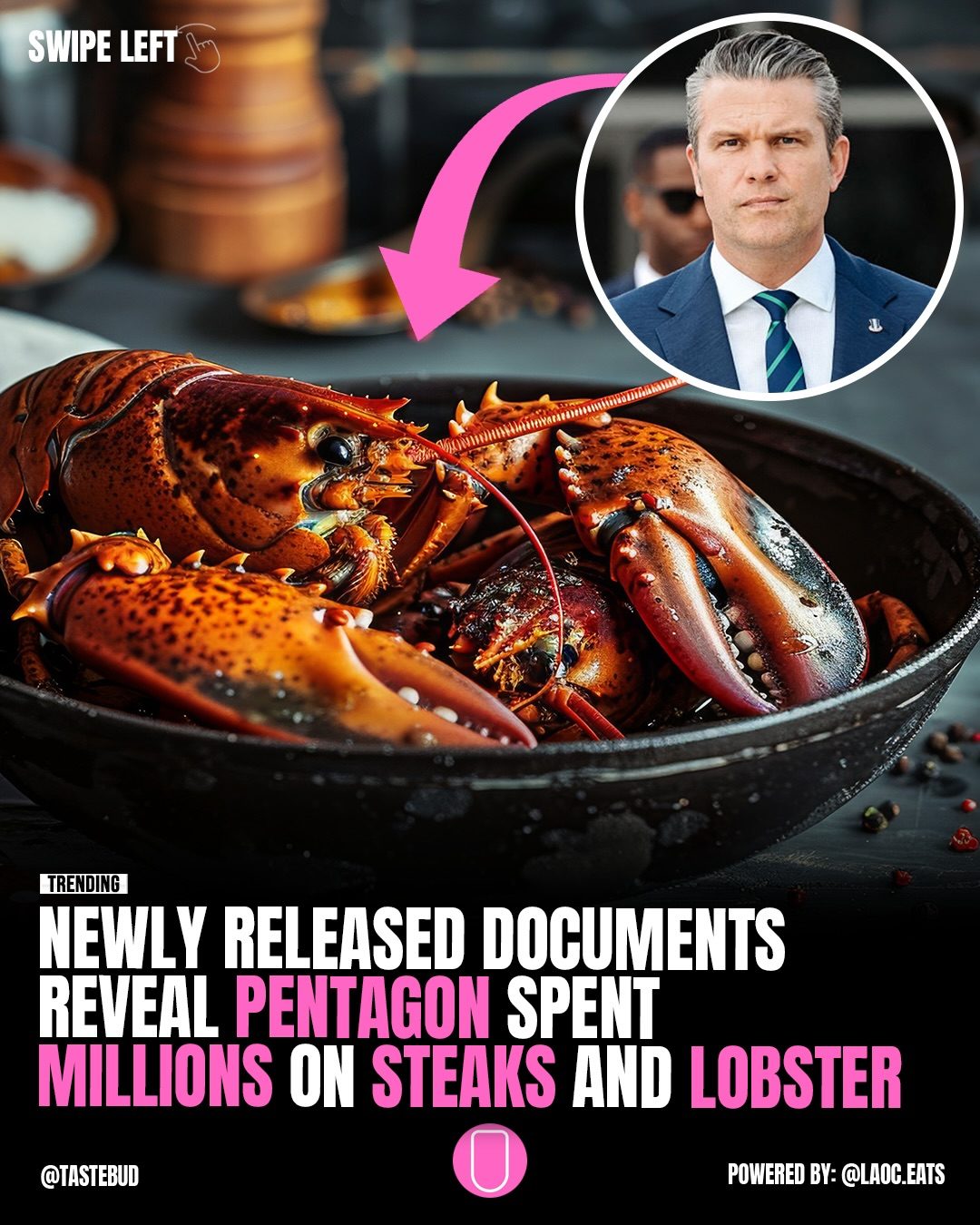
Pentagon Spending on Food
The Pentagon's spending on high-end food items for military dining facilities has garnered significant attention. Recently released documents reveal that the Pentagon spent approximately $15 million on ribeye steaks, $6.9 million on lobster tails, and $2 million on Alaskan king crab. These figures have sparked discussions about government spending and the procurement practices within the military.
Why This Matters
The Pentagon's budget is a topic of interest for many, given the substantial funds allocated to it annually. The revelation of significant expenditures on luxury food items raises questions about how and why these choices were made, and where the balance lies between providing quality dining options for military personnel and ensuring that public funds are used efficiently.
Pentagon's Luxury Food Expenditures
The Numbers
The documents highlight specific expenditures. The ribeye steaks, a high-value cut of beef, accounted for around $15 million. This figure represents a substantial portion of the military's food budget. Lobster tails, another luxurious seafood item, cost the Pentagon approximately $6.9 million. Additionally, Alaskan king crab, known for its succulent meat and high price point, amounted to about $2 million.
These expenditures are part of the broader budget allocated to military dining services, which are intended to provide quality meals for service members and their families. The high-end items, while appreciated by many, also represent a significant investment that is subject to public scrutiny.
The Justification
Military dining services, often found in military bases and installations, are responsible for feeding a large population of service members. These facilities are designed to provide a range of dining options, from casual to fine dining, to cater to the diverse tastes and needs of those serving in the military. High-end food items, such as ribeye steaks, lobster tails, and Alaskan king crab, are often included in the menus of these facilities to offer a gourmet dining experience.
The rationale for including these luxury items often centers around the idea of maintaining morale and providing a sense of normalcy and comfort for service members who are often away from their homes and families. The military argues that providing high-quality dining options can boost morale and contribute to the overall well-being of service members.
The Criticism
The significant expenditure on luxury food items has not been without criticism. Some argue that the funds could be better allocated to more critical needs, such as military equipment, training, or healthcare. Critics also question whether the public should be funding such extravagant dining options, especially during times of financial constraints or when other areas of the military budget are underfunded.
The debate also touches on the broader issue of government spending and accountability. Public funds are often scrutinized, and high-profile expenditures, such as those on luxury food items, are likely to draw attention and criticism. This situation highlights the need for transparency and accountability in how public funds are allocated and spent.
Context of Military Dining
Military Dining Services
Military dining services play a crucial role in maintaining the morale and well-being of service members. These services are designed to cater to the diverse dietary needs and preferences of those serving in the military. They offer a range of dining options, from casual to fine dining, and often include gourmet items such as ribeye steaks, lobster, and Alaskan king crab.
The inclusion of these luxury items is usually aimed at offering a high-quality dining experience and providing a sense of normalcy and comfort for service members. While these items are appreciated by many, they also represent a significant investment that is subject to public scrutiny.
Practical Tips
For the Public
For members of the public who are interested in understanding how government funds are allocated, staying informed about government spending is essential. Public documents, reports, and media coverage often provide insights into how public funds are used. Engaging with these resources can help individuals stay informed and participate in discussions about government spending.
For Military Personnel
Military personnel can also play a role in shaping the debate around military dining services. Providing feedback on the dining options available and expressing preferences can help ensure that the services meet the needs and expectations of those they serve. This can also contribute to the broader discussion about how public funds are used and where they are allocated.
Important Takeaways
The Pentagon's spending on luxury food items for military dining services highlights several key points. Firstly, the significant expenditure on high-end items such as ribeye steaks, lobster tails, and Alaskan king crab underscores the importance of providing quality dining options for service members and their families. However, it also raises questions about government spending and the allocation of public funds.
The debate also touches on the broader issue of transparency and accountability in government spending. Public scrutiny of high-profile expenditures, such as those on luxury food items, is essential to ensure that public funds are used effectively and efficiently.
Conclusion
The Pentagon's spending on luxury food items for military dining services has sparked a debate about government spending and the procurement practices within the military. While the high-end items, such as ribeye steaks, lobster tails, and Alaskan king crab, are appreciated by many, they also represent a significant investment that is subject to public scrutiny.
The discussion around these expenditures underscores the importance of transparency and accountability in government spending. It also highlights the need for public engagement and informed debate about how public funds are allocated and used. Ultimately, the debate around the Pentagon's spending on luxury food items is part of a broader discussion about government spending and the allocation of public funds.
Watch the Reel
Questions readers ask
Who decides on the specific food items purchased by the Pentagon, such as ribeye steaks and lobster tails?
The procurement decisions are made by Pentagon officials, taking into account various factors including the number of troops, dietary needs, and requests from military bases. The specific items, such as the steaks and lobster, are often chosen to meet the demand for quality dining options in military mess halls and dining facilities.
What is the rationale behind the Pentagon spending millions on luxury food items like Alaskan king crab?
The rationale behind spending on high-end food items is to ensure that military personnel have access to a variety of food options, which can boost morale and improve the quality of life for those serving. The goal is to provide a taste of home and a sense of normalcy, even in remote or deployed locations.
How does the Pentagon justify the high cost of luxury foods, such as lobster and steak, when compared to more budget-friendly options?
The Pentagon justifies the higher cost by emphasizing the importance of maintaining morale and providing a sense of appreciation for the troops. These luxury items are often seen as a way to reward service members for their dedication and hard work, as well as a means to attract and retain personnel in the military.
Can the public access information on the Pentagon's food spending and procurement practices?
Yes, the public can access information on the Pentagon's food spending and procurement practices through various government transparency initiatives. Documents and reports detailing expenditures and procurement processes are often made available through official channels, such as Freedom of Information Act (FOIA) requests and public disclosures.
Are there any initiatives to reduce the Pentagon's spending on luxury food items in favor of more cost-effective options?
There are ongoing discussions and reviews to assess the necessity and cost-effectiveness of luxury food spending. Some advocates push for a reallocation of funds to more essential areas, while others argue that maintaining quality dining options is crucial for military morale and retention. The Pentagon continuously evaluates its procurement practices to balance these considerations.
Related deep dives
Similar reads based on topic and creator.


Recent articles
Fresh deep dives from the latest Reels we unpacked.




Comments
Be the first to comment.