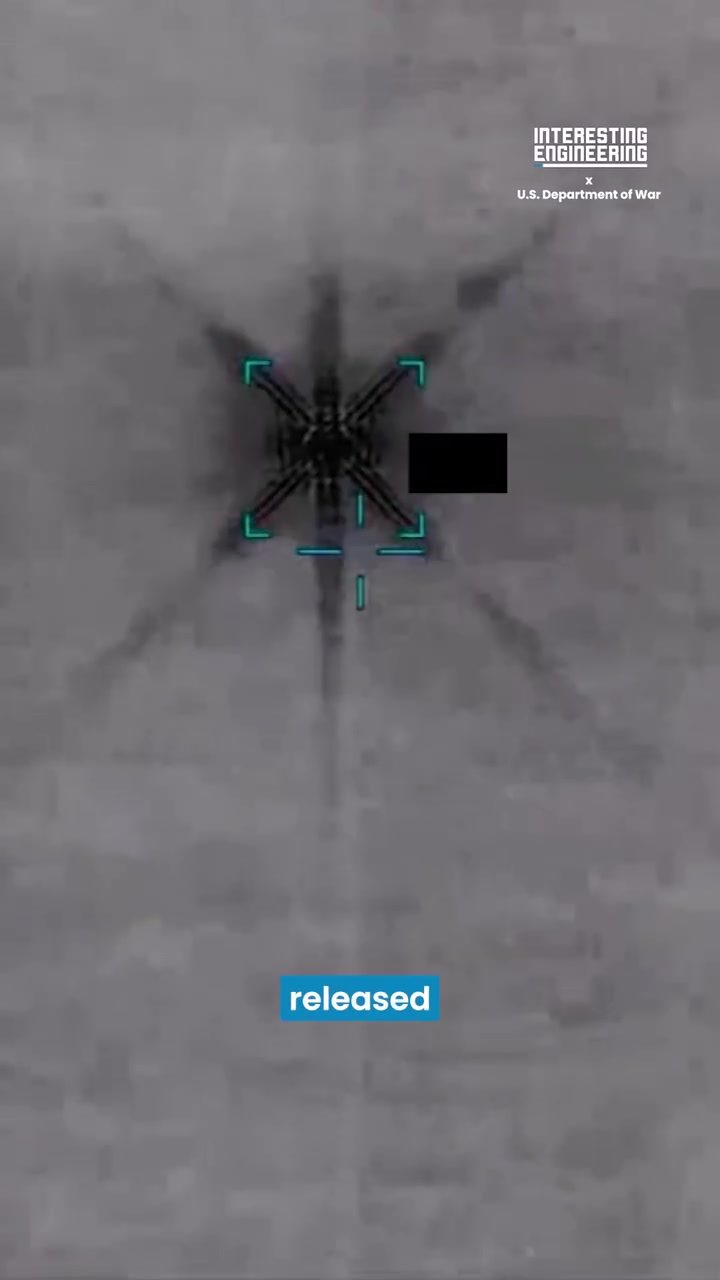
U.S. Department of War Footage
Unidentified aerial phenomena (UAPs) have long captivated the public imagination, and the recent release of declassified UFO documents and military-recorded videos by the U.S. Department of War has added a new chapter to this intriguing saga. The Pentagon's fourth batch of declassified materials includes infrared videos and supporting documents collected by US military platforms, offering researchers and the public unprecedented access to previously classified footage.
The declassified materials provide a deeper look into the ongoing investigations into unexplained aerial sightings. These sightings, documented during defense operations, have been a subject of curiosity and debate for decades. By releasing this batch, officials aim to enhance transparency and support ongoing analysis of these phenomena.
Why This Matters
The declassification of these documents is significant for several reasons. Firstly, it represents a step toward greater transparency from the U.S. Department of War. This move allows researchers, scientists, and the public to scrutinize the data more closely, potentially leading to new insights. Secondly, the release of infrared videos and supporting documents can aid in the ongoing investigations, providing more data points for analysis. Lastly, it underscores the Department of War's commitment to addressing public interest in these unexplained sightings, potentially fostering a more informed and engaged public.
The Nature of the Footage
The footage released is grainy and often from historical military archives. It primarily consists of radar or thermal imaging captures of unidentified objects. These objects, often depicted in infrared videos, appear to be aircraft or drones, but their exact nature remains unclear. The use of infrared and thermal imaging suggests that these objects emit some form of heat or energy, making them detectable by military sensors.
Infrared and Thermal Imaging
Infrared and thermal imaging technologies are crucial in military surveillance. Infrared cameras detect heat signatures, making them ideal for tracking objects in low-visibility conditions. Thermal imaging, on the other hand, detects the heat emitted by objects, providing a clearer picture of their shape and size. The use of these technologies in the footage suggests that the unidentified objects are emitting some form of detectable energy, even if their exact nature remains unclear.
Historical Context
The declassified footage and documents provide a historical context to the UAP sightings. Many of the videos are from the Cold War era, a period marked by heightened military tension and rapid technological advancements. This era saw numerous sightings of unidentified objects, many of which were attributed to advanced technology from other nations. However, the declassified materials suggest that some of these sightings remain unexplained, even with the benefit of hindsight.
Radar and Thermal Imaging
Radar technology uses radio waves to detect the presence and movement of objects. It is a cornerstone of modern military surveillance, providing an accurate picture of the environment. Thermal imaging, on the other hand, detects heat signatures, making it ideal for tracking objects in low-visibility conditions. The use of these technologies in the footage suggests that the unidentified objects are emitting some form of detectable energy, even if their exact nature remains unclear.
Ongoing Investigations
The release of these documents is part of an ongoing effort to improve transparency and support ongoing investigations. Researchers and analysts continue to study the footage, looking for patterns and anomalies that could provide clues about the nature of these unidentified objects. The Department of War's commitment to transparency is a positive step, allowing the public to engage more deeply with these investigations.
Transparency and Public Engagement
The Department of War's decision to declassify these documents is a testament to their commitment to transparency. By providing greater access to previously classified footage, they are allowing researchers and the public to scrutinize the data more closely. This move could lead to new insights and a more informed public discourse.
Analyzing the Evidence
The footage and documents provide valuable evidence for researchers and analysts. By examining the infrared videos and supporting documents, researchers can identify patterns and anomalies that could provide clues about the nature of these unidentified objects. This ongoing analysis is crucial for understanding these phenomena and advancing our knowledge.
Public Interest and Curiosity
Public interest in UAPs has been fueled by various factors, including the release of declassified documents and the increasing availability of information. The declassification of these documents provides a unique opportunity for the public to engage more deeply with these investigations. By exploring the footage and documents, the public can gain a better understanding of the phenomena and contribute to ongoing research.
Practical Tips: How to Analyze UFO Footage
For those interested in analyzing UAP footage, here are some practical tips:
**1. Use Multiple Sources: Combine visual, auditory, and documentary evidence to form a comprehensive understanding.
**2. Leverage Infrared and Thermal Imaging: These technologies can provide valuable data about the heat and energy signatures of the objects in the footage. **3. Examine Radar Data: Look for patterns in the radar data that could indicate the movement and behavior of these objects. **4. Analyze Historical Context: Consider the historical and technological context in which the footage was recorded, as this can provide valuable insights. **5. Seek Out Expert Insights: Consult with experts in aerospace, engineering, and other relevant fields to gain a deeper understanding of the evidence. **6. Collaborate with Other Researchers: Share your findings and collaborate with other researchers to build a collective understanding of the phenomena.
Important Takeaways
The recent release of declassified UFO documents and military-recorded videos by the U.S. Department of War offers valuable insights into unexplained aerial sightings. The use of infrared and thermal imaging suggests that these objects emit detectable energy, while radar data provides a clear picture of their movement patterns. Public engagement and ongoing research are crucial for advancing our understanding of these phenomena, providing a unique opportunity for collaboration and discovery.
Conclusion
The declassification of UFO documents and military-recorded videos by the U.S. Department of War represents a significant step toward greater transparency and public engagement. By providing greater access to previously classified footage, researchers and the public can scrutinize the data more closely, potentially leading to new insights. The ongoing investigations and analysis of these phenomena underscore the importance of transparency and public engagement in advancing our knowledge.
Watch the Reel
Questions readers ask
Why has the Pentagon released these UFO videos and documents?
The Pentagon has released these videos and documents to enhance transparency and provide the public with access to previously classified footage of unexplained aerial phenomena (UAPs). This move aims to foster further investigation and debate around the subject, rather than hiding these encounters.
How many batches of UFO videos has the Pentagon released so far?
As of the latest release, the Pentagon has declassified and made public four batches of UFO videos. Each batch contains unique footage and documents captured by various military platforms.
What kind of footage is included in the latest batch of declassified materials?
The fourth batch includes infrared footage, which can often reveal details that are not visible to the naked eye. These videos, along with accompanying documents, provide a comprehensive look at unexplained aerial sightings as recorded by U.S. military platforms.
What are the military platforms that captured the UFO videos?
The UFO videos were captured by various U.S. military platforms, including aircraft and other defense systems. These platforms are equipped with advanced sensors and recording capabilities, ensuring that the footage is of high quality and reliability.
What is the significance of the declassified documents accompanying the UFO videos?
The declassified documents provide context and additional details about the circumstances surrounding each UFO sighting. They include information about the date, location, and any known details about the phenomena, which can help researchers and analysts better understand these mysterious encounters.
How can the public access the declassified UFO videos and documents?
The declassified UFO videos and documents are typically made available on official government websites or through press releases. The public can access these materials to review the footage and documents, fostering further discussion and analysis of unexplained aerial phenomena.
Why are these UAP sightings significant for the military?
UAP sightings are significant for the military because they represent potential threats or unknown technologies that could impact national security. By investigating these sightings, the military can better understand and prepare for any potential risks, as well as develop new capabilities to address these phenomena.
Recent articles
Fresh deep dives from the latest Reels we unpacked.




Comments
Be the first to comment.